The Modern Mullet: 4 Variations That Prove It’s Not Just an 80s Relic
Business in the front, engineering in the back
The mullet has survived disco, grunge, ironic hipster appropriation, and decades of people saying it’s dead. It’s not dead. It evolved. The modern mullet isn’t your dad’s hockey cut or your uncle’s NASCAR homage. It’s a deliberate structural choice that exploits the physics of how hair falls, stacks, and moves. The front is controlled. The back is a statement. And the line between them is where the engineering lives. Here are four variations that prove the mullet is the most versatile haircut in existence — if you understand the geometry.
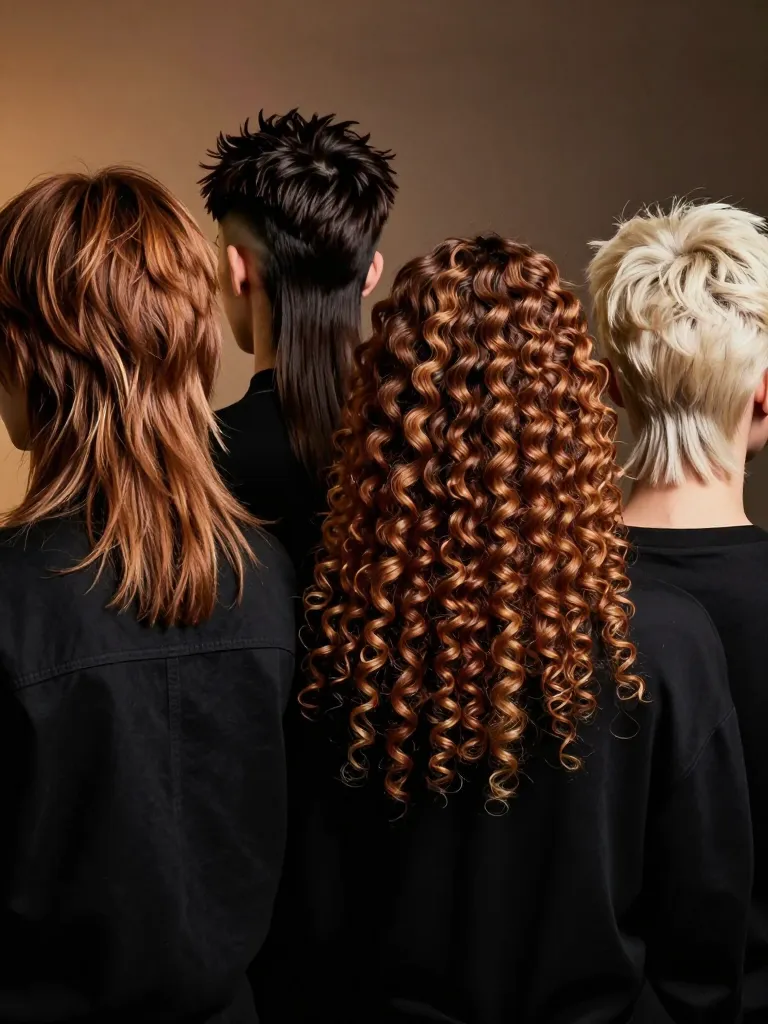
1. The Textured Shag Mullet

The Textured Shag Mullet is the gateway mullet. It’s the one you get when you want to dip your toe into mullet territory without committing to a hard geometric break. The front is a standard shag — layered, face-framing, shoulder-length. The back extends 4-6 inches longer with heavy texturing: razor-cut ends, internal layering, and deliberate choppy weight distribution. The transition zone at the crown is gradual, not abrupt. This is the mullet for people who want movement, not architecture. It works with virtually every hair type and face shape, which is why it’s the most popular modern variation.
Step-by-step textured shag mullet cutting guide →
2. The Undercut Mullet
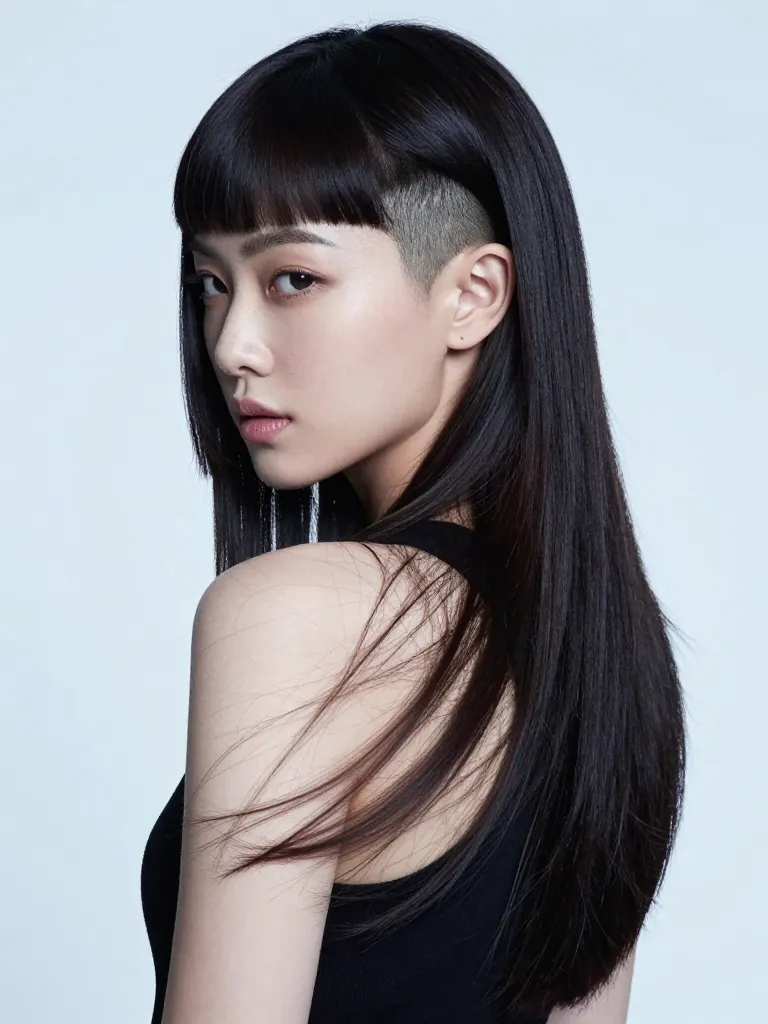
The Undercut Mullet is for people who want the mullet to be visible from every angle. The sides are undercut — clipped short from the temple to behind the ear. The top is left long enough to sweep over the undercut, creating a sleek, controlled front view. The back is where the mullet lives: full-length layers cascading from the occipital bone. This variation is high-contrast by design. When the top is swept to one side, you see the undercut. When it falls naturally, you see a sleek bob. When you turn around, you see the full mullet cascade. It’s three haircuts depending on the angle.
3. The Curly Mullet
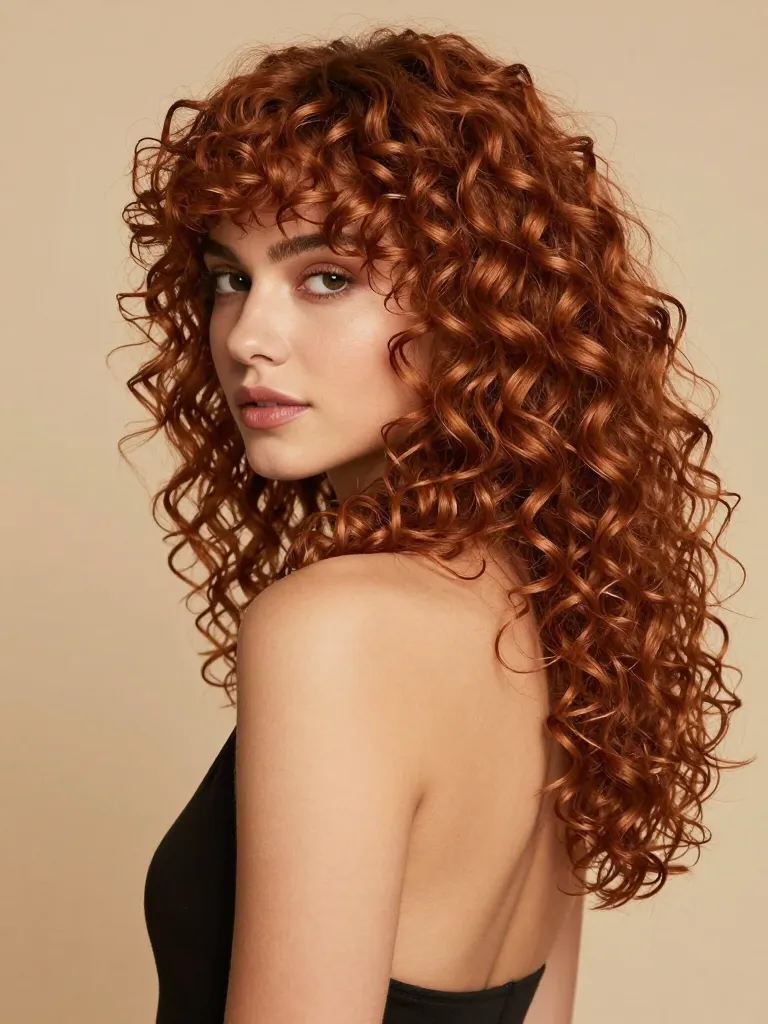
The Curly Mullet is the mullet that curly-haired people were born to wear. Natural texture does half the work — curls create volume, movement, and structural complexity that straight-haired people need product and tools to achieve. The front is a curly bob with defined ringlets framing the face. The back extends into longer, looser curls that cascade past the shoulders. The transition zone at the crown is where the magic happens: tighter, shorter curls create a natural lift that separates the front volume from the back cascade. A skilled curly hair specialist will thin the interior layers while keeping the curl pattern intact.
4. The Pixie Mullet
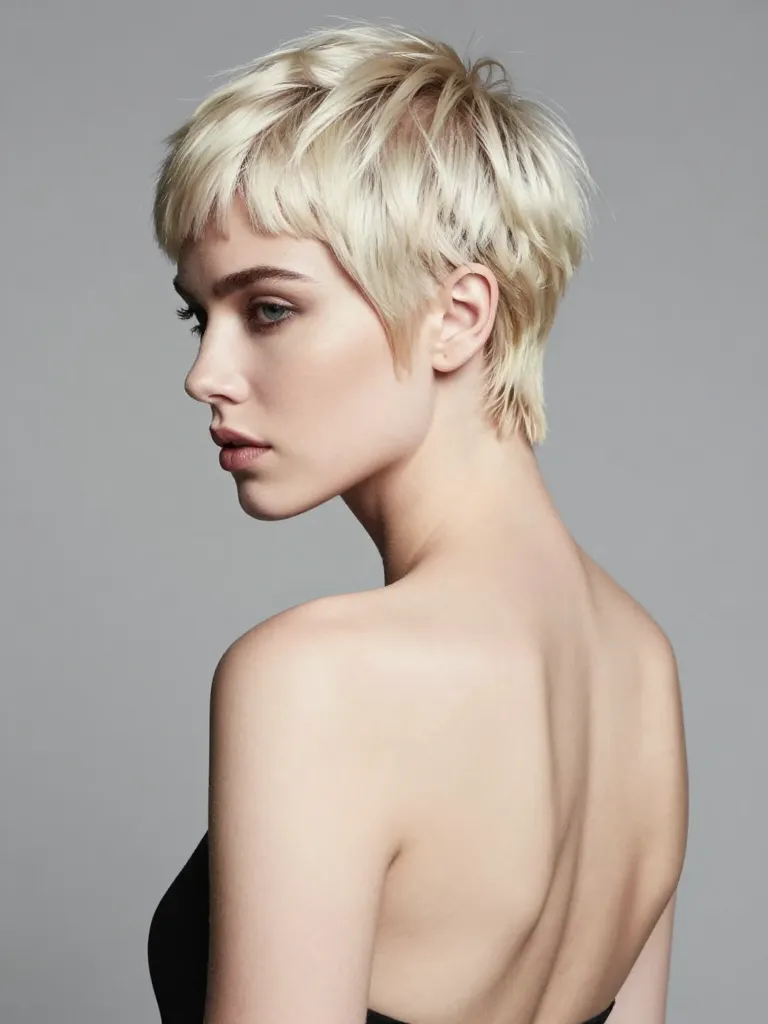
The Pixie Mullet is the stealth mullet. From the front, it’s a standard pixie — short, cropped, low-maintenance. From the side, you might not even notice the extension. But from the back, there it is: 3-4 inches of deliberate length past the nape, textured with choppy razor cuts. It’s the mullet for people who want the edge without the commitment. The pixie mullet works because it exploits the nape — most pixie cuts taper to nothing at the neck, but the pixie mullet deliberately extends past it. It’s also the lowest-maintenance mullet variation.
Materials Checklist
| Item | Purpose | Category |
|---|---|---|
| Razor comb or texturizing shears | Creating piece-y, choppy texture | Cutting Tools |
| Wide-tooth comb | Detangling without disrupting texture | Styling Tools |
| Light-hold texturizing spray | Daily styling for shag and pixie mullets | Hair Products |
| Matte pomade | Defining texture and controlling flyaways | Hair Products |
| Diffuser attachment | Drying curly mullets without frizz | Styling Tools |
| Clippers with guards (#1-#3) | Maintaining undercut mullets | Cutting Tools |
| Silk pillowcase | Preserving mullet structure overnight | Sleep & Care |
| Dry shampoo | Extending time between washes | Hair Products |
Deep-Dive Guides
- Step-by-step textured shag mullet cutting guide — DIY tutorial for the most popular variation
- Mullet maintenance and preservation guide — how to keep it sharp as it grows
The mullet isn’t a haircut. It’s a structural philosophy. The front says “I have my life together.” The back says “but do I really?” That tension — between control and chaos, between the business and the party — is what makes the mullet the most honest haircut in existence. Pick your variation. Commit to the geometry. Let the back do what the front won’t.
The mullet never died. It just went to engineering school. ✂️📐