Mullet Maintenance: How to Keep It Sharp as Your Hair Grows
The mullet is a living structure. Here’s how to keep it from collapsing.
A fresh mullet looks incredible for about three weeks. Then the back starts losing shape, the front starts blending into the back, and the crown gradient that was so clean on day one starts looking like you just forgot to get a haircut. The mullet is the most maintenance-intensive mainstream haircut in existence — not because it’s difficult, but because the geometry that makes it look intentional is exactly what makes it look accidental when it grows out.

Problem 1: The Back Loses Shape First
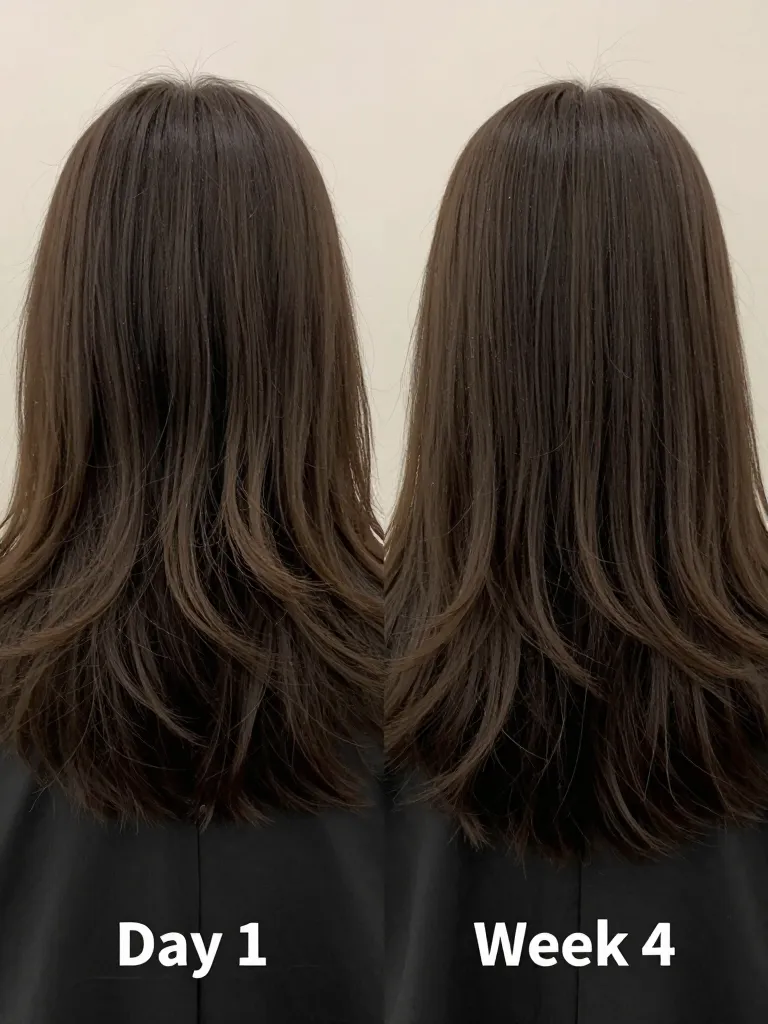
The back of your mullet has the most hair and the most length, which means it has the most weight. As it grows, that weight increases, pulling the layers flat and eliminating the texture you worked so hard to create. By week 4, the back that once had piece-y movement now hangs like a curtain. The fix is proactive: start texturizing the back ends at week 2, before the shape is fully lost. Use a razor comb or texturizing shears to remove bulk from the mid-lengths and ends — this delays the ‘heavy curtain’ effect by 1-2 weeks.
Problem 2: The Crown Gradient Disappears
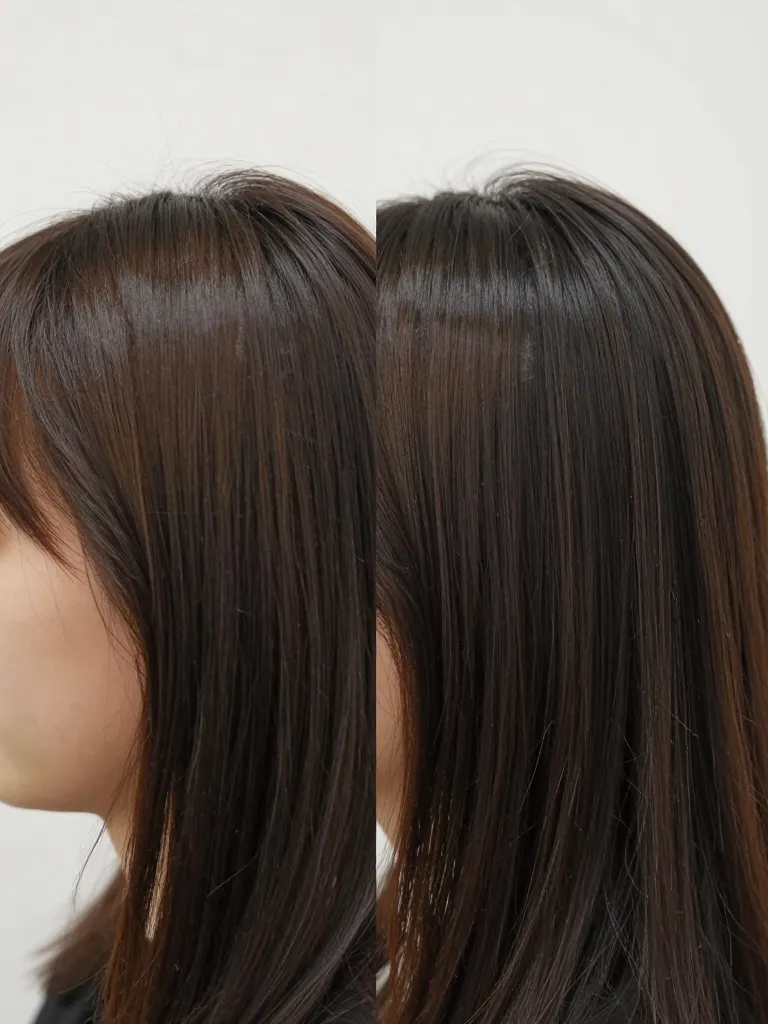
The crown gradient is the defining feature of a mullet — it’s the line that says ‘this is intentional.’ As the top grows, it starts blending into the back, and that deliberate gradient becomes an indistinguishable mass of hair. The fix: trim the crown zone every 3-4 weeks. You don’t need to re-cut the entire mullet — just re-establish the gradient. Section the crown, pull the front/top forward, and trim it back to your original guide length. This 10-minute maintenance cut extends the life of your mullet by weeks.
Problem 3: The Front Overgrows Into the Back
The front of a mullet is designed to be shorter than the back. When the front grows out, it catches up to the back length, and suddenly you don’t have a mullet anymore — you have a shag, or worse, an unlayered mass. The fix: trim the front layers every 4-6 weeks. Face-framing layers should stay at your cheekbones or jawline. The top should stay short enough to maintain the gradient.

Maintenance Schedule
Daily
- Sleep on a silk or satin pillowcase to preserve texture and reduce friction
- Refresh texture in the morning with a light mist of water and texturizing spray
- Don’t brush the back — use fingers or a wide-tooth comb only
Weekly
- Wash 2-3 times per week (not daily — over-washing strips texture-holding oils)
- Deep condition the back ends to prevent dryness and split ends
- Apply a small amount of matte pomade to the mid-lengths for texture definition
Before Events
- Apply texturizing spray and scrunch the back for maximum volume
- Use a diffuser on low heat to enhance natural texture
- Touch up the face-framing layers with a light-hold hairspray
Emergency Kit
| Item | Purpose |
|---|---|
| Texturizing spray (travel size) | Quick texture refresh on the go |
| Bobby pins | Temporary styling when the mullet is misbehaving |
| Mini razor comb | Emergency bulk removal when the back gets heavy |
| Dry shampoo | Extends time between washes, adds grip for styling |
Recommended Products
| Product | Use | Category |
|---|---|---|
| Texturizing sea salt spray | Daily texture refresh | Styling Products |
| Matte pomade (medium hold) | Defining texture, controlling flyaways | Styling Products |
| Silk pillowcase | Overnight texture preservation | Sleep & Care |
| Razor comb | DIY texturizing between barber visits | Cutting Tools |
| Dry shampoo | Extending time between washes | Hair Products |
| Wide-tooth comb | Detangling without disrupting texture | Styling Tools |
Related Guides
- Textured shag mullet cutting guide — the DIY tutorial
- All mullet variations — the full overview
A mullet is not a haircut you get once and forget about. It’s a living structure that needs regular attention — not because it’s fragile, but because the geometry that makes it look intentional is exactly what makes it look accidental when it grows out. The crown gradient, the front-back length differential, the textured layers — all of these need periodic re-establishment. The good news: most maintenance is 10-15 minutes with a razor comb and shears. The bad news: you need to do it every 3-4 weeks. The mullet is high-maintenance in the same way a garden is — if you tend it regularly, it thrives. If you ignore it, it goes feral.
Your mullet is a commitment. Treat it like one. ✂️🔧