Long Layer Haircut: 5 Architectural Approaches to Dimensional Hair
Layers aren’t just shorter pieces. They’re load-bearing structures that control volume, movement, and how light bounces off your head.
The long layer haircut is the most requested women’s cut in salons — and the most butchered. A bad layer cut looks like someone attacked your hair with garden shears. A great layer cut looks like your hair grew that way naturally, with movement and dimension that catches light from every angle. The difference isn’t technique alone — it’s understanding which layer approach works for your specific hair density, texture, and face shape. Here are five architectural approaches to long layers, each solving a different problem.
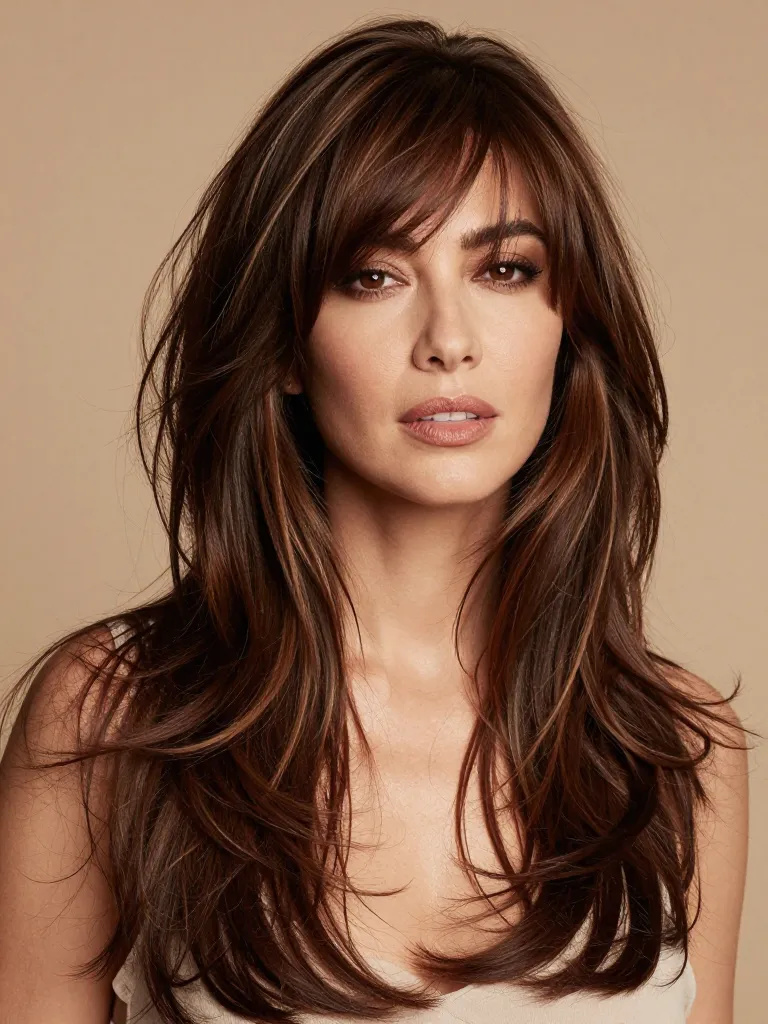
1. The Face-Framing Layer Cascade

Face-framing layers are the gateway layer cut. The shortest layers start at chin or jaw length and gradually lengthen toward the back, creating a curtain effect around the face. This approach works because it draws attention to the cheekbones and jawline while maintaining overall length. The key is precision — each face-framing layer must be cut at the exact angle that complements the face shape. Too short and you get 80s flicks. Too long and they disappear into the rest of the hair. The sweet spot is when the shortest layer hits the middle of the chin, with each subsequent layer an inch longer.
2. The Internal Layer System
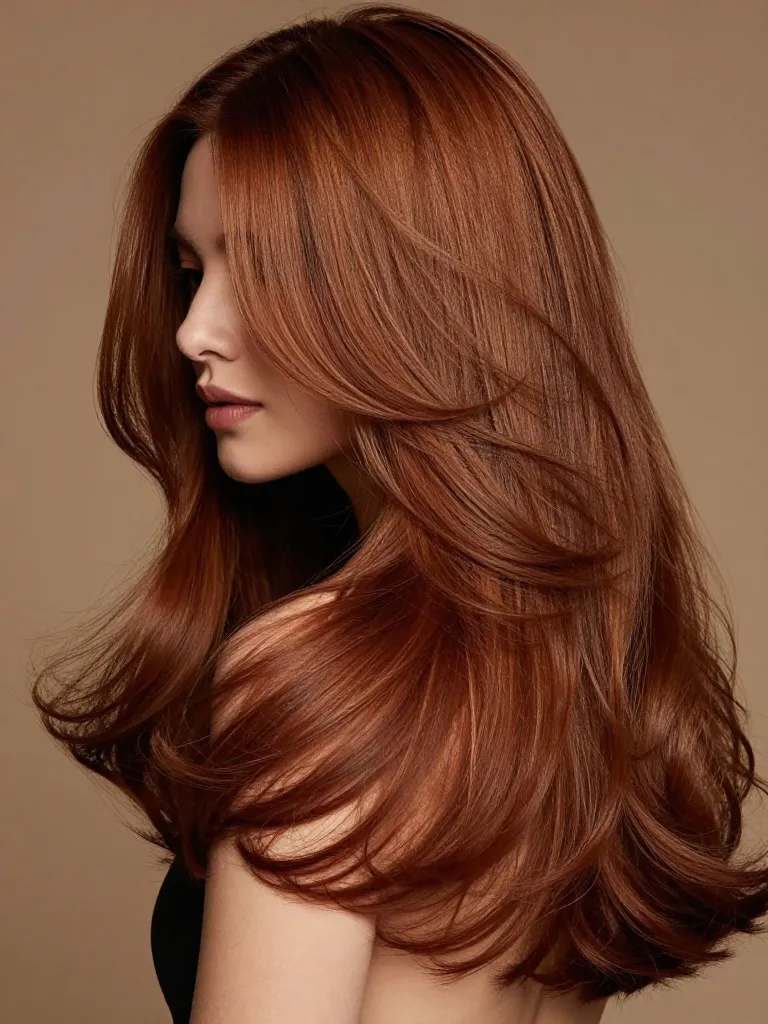
Internal layers are the secret weapon for thick hair that looks flat. Instead of cutting visible shorter pieces on the surface, the stylist removes weight from the interior of the hair — sections underneath the top layer are cut shorter, creating lift and movement without any visible layering on the surface. The result is hair that looks thick and full but moves like it’s thinner. This technique is especially effective for dense Asian and Latin hair textures that tend to hang heavy. The internal layer system requires the stylist to section the hair horizontally and cut the bottom layers 2-3 inches shorter than the top, then blend the transition so it’s invisible from the outside.
3. The U-Shaped Layer Drop
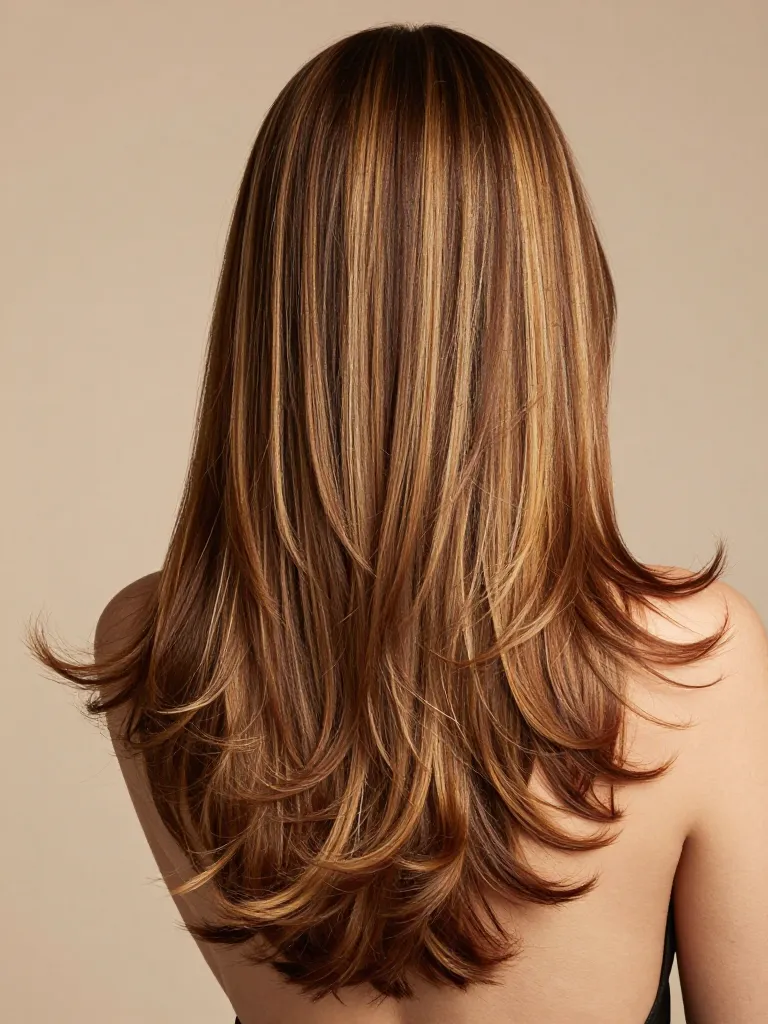
The U-shaped layer drop creates a hemline that curves upward at the sides and dips down at the center back — like a horseshoe when viewed from behind. This shape serves a functional purpose: the shorter side layers frame the face while the longer center back layers maintain length and weight. The U-shape also creates natural movement because the different lengths catch air differently when you walk or turn your head. To achieve this, the stylist cuts the center back longest, then gradually shortens the layers as they move toward the sides, creating a 3-4 inch difference between the shortest side layers and the longest center back.
4. The Shag Layer Architecture

The shag layer architecture takes the 70s shag and adapts it for long hair. The top layers are cut significantly shorter — often 4-6 inches shorter than the bottom — creating a heavy, voluminous crown that thins out toward the ends. This creates the signature shag silhouette: big on top, wispy at the bottom. The key to making this work on long hair is blending — the transition from short top layers to long bottom layers must be gradual, not abrupt. A good shag layer cut should look effortless, like you rolled out of bed with perfect hair. A bad one looks like a mullet that grew out wrong.
5. The Invisible Layer Taper

The invisible layer taper is for women who want the benefits of layers — movement, reduced bulk, easier styling — without the visible stepped effect. The stylist uses point-cutting and razor techniques to create micro-layers that are only visible when the hair moves. The difference between the longest and shortest layers is minimal — typically 1-2 inches — but that small variation creates enough texture to prevent the hair from hanging like a curtain. This approach works best on straight to slightly wavy hair, where the layering effect is most subtle. It’s the haircut equivalent of ‘no-makeup makeup’ — looks natural, requires precision.
| Item | Purpose |
|---|---|
| Hair shears (6-inch) | Precision cutting for layer geometry |
| Thinning shears | Weight removal for internal layers |
| Sectioning clips | Horizontal and vertical sectioning |
| Wide-tooth comb | Detangling and layer blending |
| Spray bottle | Keeping sections damp during cutting |
Related Articles
The long layer haircut isn’t one cut — it’s a family of techniques, each solving a different problem. Face-framing layers for softness, internal layers for volume, U-shaped layers for movement, shag layers for texture, invisible layers for polish. The right approach depends on your hair’s density, texture, and the face shape you’re framing. Get the layer architecture right, and your hair does the work for you.
Your hair has structure. Make it architectural.