Straight Cut Hair: 4 Blunt Approaches That Make Length Look Intentional
No layers, no graduation, no nonsense. Just a clean horizontal line that says you meant every inch of it.
Here’s the thing about straight cuts — they look deceptively simple. One blunt line across the bottom, done. But that simplicity is exactly what makes them so hard to pull off. There’s nowhere to hide. No layers to blend mistakes into, no graduation to soften unevenness. A straight cut is the haircut equivalent of a white wall in an art gallery: every imperfection shows. And that’s why, when done right, it hits differently than any layered style ever could. The blunt edge creates a visual weight that makes hair look thicker, healthier, and more deliberate. It works on every hair texture, flatters most face shapes when paired with the right length, and takes about thirty seconds less to style every morning because there are no layers to wrestle with. These four variations prove that ‘just cut it straight’ is actually a design decision with real consequences.
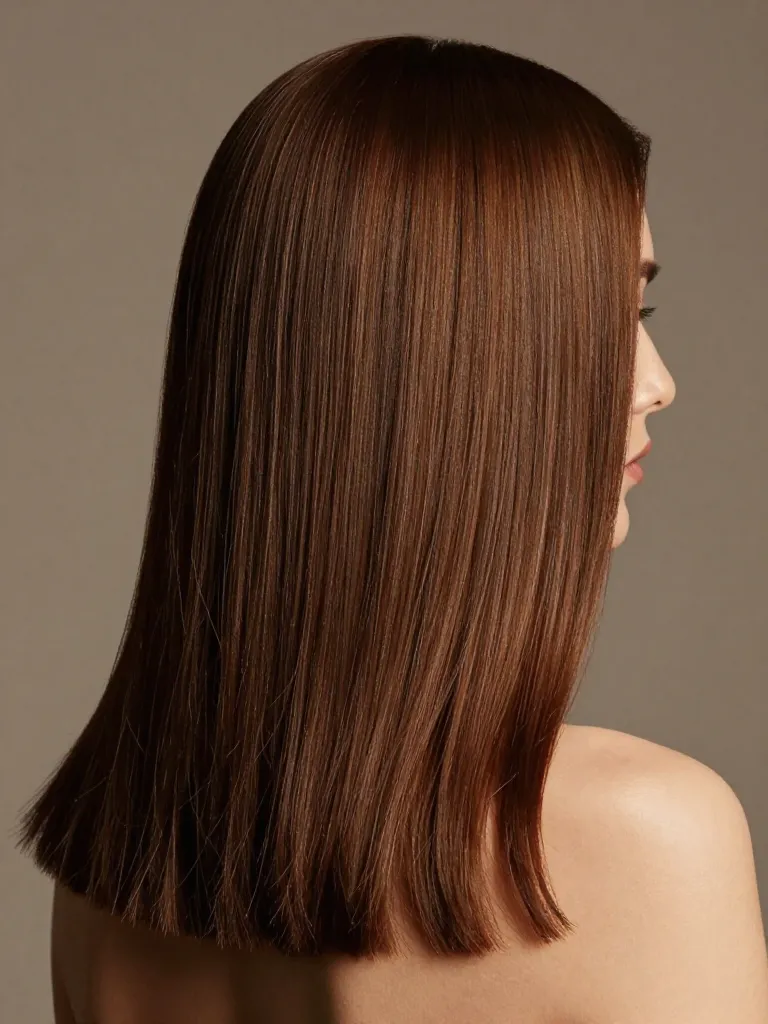
1. The Classic Blunt Cut
The classic blunt cut is the purest expression of the straight-cut philosophy. Every single hair ends at the same point, creating a line so clean it looks like someone used a laser level. This is what hairstylists mean when they say ‘one-length cut’ — no layers, no graduation, no texturing at the ends. The result is a hemline that reads as a deliberate design element rather than a default. On thick hair, it creates a wall of density that looks impossibly healthy. On fine hair, it fakes fullness because all the weight sits at the bottom instead of being distributed through layers. The maintenance is straightforward: trim every 8-10 weeks to keep the line sharp, and resist the urge to ask your stylist to ‘just take a little off the layers’ because there are no layers. That’s the point.
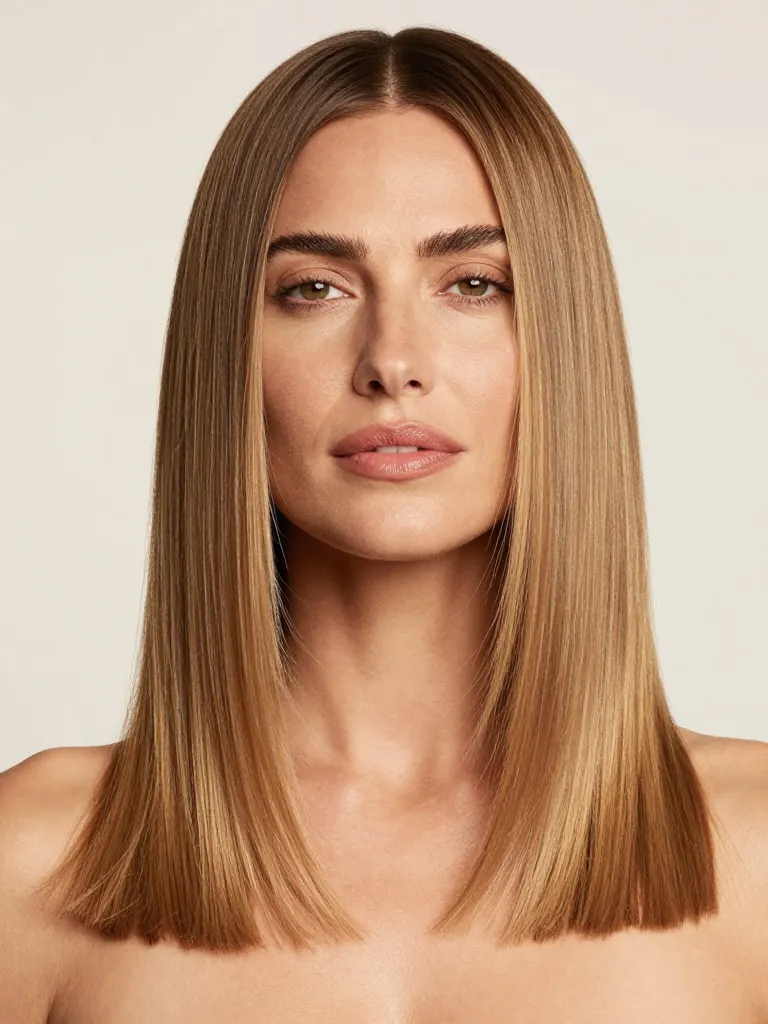
2. The Collarbone Blunt

The collarbone blunt is the Goldilocks of straight cuts — not too long, not too short, exactly where it needs to be. The hemline sits right at the collarbone, which is strategically chosen: it’s the point where hair naturally flips outward slightly from shoulder contact, creating a subtle bend that adds movement without sacrificing the blunt edge. This length is universally flattering because it elongates the neck, frames the face without overwhelming it, and is long enough to tie up when you need it out of your face. The blunt edge at this length creates a strong visual line that draws attention to the jawline and collarbone — two areas that flatter everyone. It’s the cut you get when you want people to notice your face, not your hair, but still want your hair to look incredible.
3. The Micro Blunt Bob
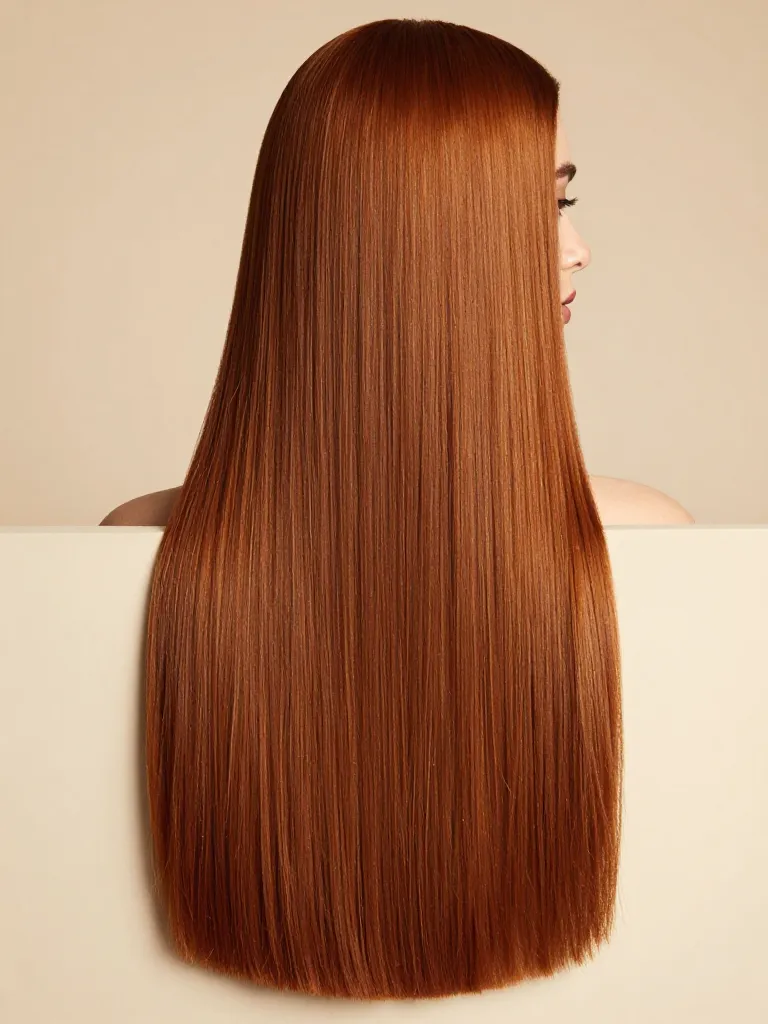
The micro blunt bob is the straight cut that requires the most confidence and gives the most back. At chin length, there’s no hiding — the blunt edge sits right at your jawline, drawing a horizontal line that either complements or clashes with your bone structure. When it works, it works spectacularly. The short length means the hair has maximum density because nothing has been lost to length, and the blunt edge creates a solid block of color and texture that reads as intentional architecture rather than a ‘growing out a pixie’ situation. This cut works best on straight to slightly wavy hair because curl disrupts the hemline. It requires more frequent trims than longer blunt cuts because even half an inch of growth changes the silhouette from ‘editorial bob’ to ‘awkward mid-length’ fast.
4. The Waist-Length Curtain
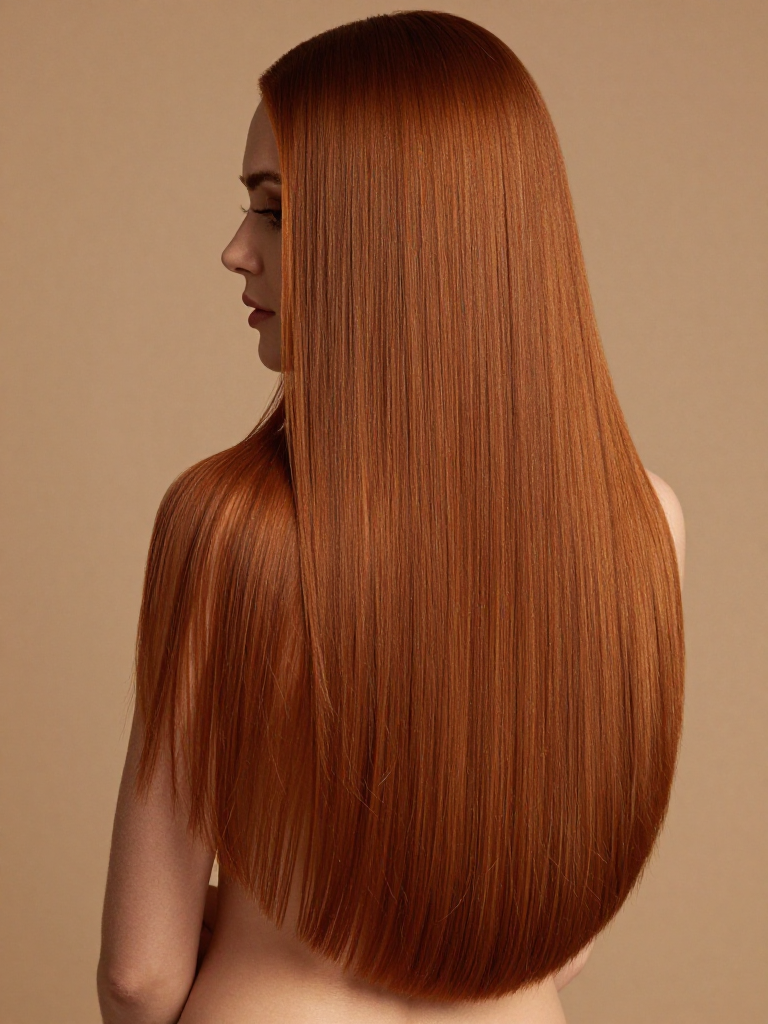
The waist-length curtain is the extreme end of the straight-cut spectrum, and it’s not for the impatient. Growing hair to waist length while keeping the hemline blunt requires discipline: regular trims to prevent split ends from traveling up the shaft, careful detangling to avoid breakage that creates uneven lengths, and a styling routine that prioritizes hair health over everything else. But when it’s right — when every strand hits the same point at the waist — it creates something no layered cut can replicate: a single, unbroken plane of hair that moves like silk. The blunt edge at this length becomes almost sculptural, a horizontal line that contrasts with the vertical flow of the body. This is the cut that makes people stop and ask if it’s real. It usually is. It just takes two to three years of patient, disciplined growth and a stylist who understands that trimming this cut means preserving the line, not reshaping it.
Tools & Products
| Item | Purpose | Category |
|---|---|---|
| Professional hair shears | Clean blunt cuts require sharp shears — dull blades create split ends and uneven lines | tools |
| Heat protectant spray | Straightening or blow-drying blunt cuts requires heat protection to maintain the clean edge | styling |
| Wide-tooth comb | Detangling without breaking the blunt line — brushes can stretch and snap hair at different points | tools |
| Silk pillowcase | Reduces friction while sleeping, preventing the breakage that disrupts blunt hemlines | accessories |
Related Guides
Long layers haircut — if you want dimension without losing length — Compare the blunt approach to the layered approach for long hair.
Front layers haircut — face-framing alternative to the blunt edge — If you like the blunt base but want some face-framing movement.
The straight cut is proof that restraint is a design choice. While layered cuts distribute weight and create movement through graduation, the blunt cut concentrates everything at one point — and that concentration is what makes it powerful. It’s the haircut equivalent of a single-note perfume: simple in composition, complex in effect. Whether you go collarbone or waist-length, the principle is the same. One line. Every hair at the same point. No compromise.
Pick your length. Find a stylist who owns a ruler. Let the line do the work.