How to Grow and Maintain a Short Afro: The Complete Guide
The short afro looks effortless. Keeping it that way takes about ten minutes a day.
Here’s what nobody tells you about the short afro: the hard part isn’t growing it. It’s keeping the shape, the moisture, and the definition while it grows. Most people either over-manage it (too much product, too many trims) or under-manage it (dry, shrunken, shapeless). The sweet spot is a simple routine that takes ten minutes a day and a barber visit every few weeks. Here’s exactly how to do it.
Step 1: Start With a Proper Shape
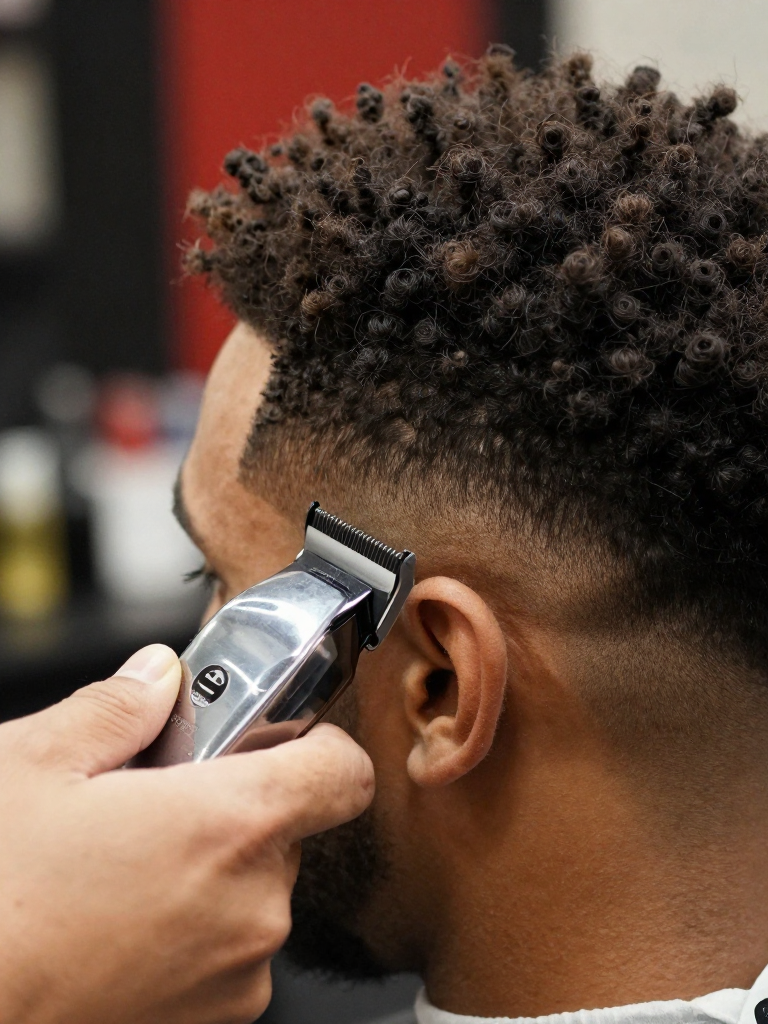
Before you start your maintenance routine, you need a foundation to maintain. Find a barber or stylist who works with natural hair — not someone who mostly does relaxed hair or weaves, but someone who understands curl patterns, shrinkage, and how to shape an afro that follows the natural curve of your head. Ask for: a shape-up at the perimeter (temples, nape, sideburns), a slight graduation from the nape to the crown, and soft edges — not hard lines that look drawn-on. The goal is a shape that looks intentional even when your hair is at its shrunken state.
Step 2: Build a Daily Moisture Routine
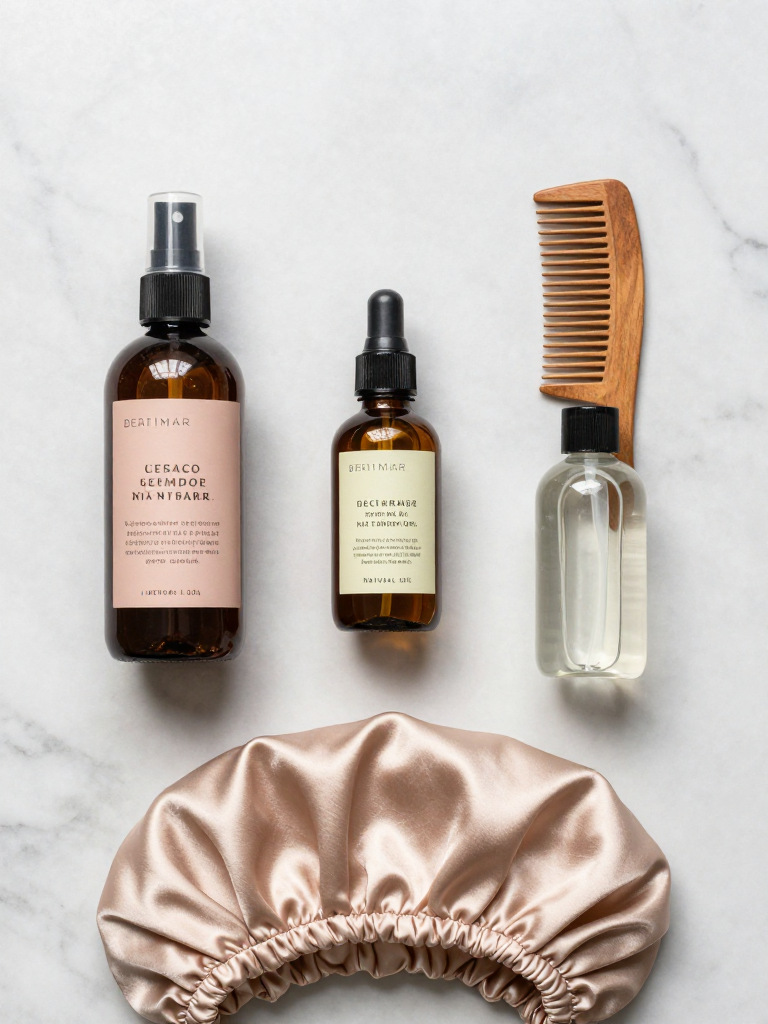
Dry hair is the enemy of a good afro. Natural hair — especially 4A to 4C types — loses moisture faster than any other hair type because the curl pattern creates gaps in the cuticle layer. Your daily routine: spray your hair with water (just water, from a spray bottle), then apply a small amount of leave-in conditioner. That’s it. Don’t overload with product — a dime-sized amount of leave-in is enough for a short afro. If your hair feels dry by midday, carry a small spray bottle and do a quick refresh. The moisture is what keeps your curls defined and your afro looking alive instead of flat.
Step 3: Wash and Deep Condition Weekly
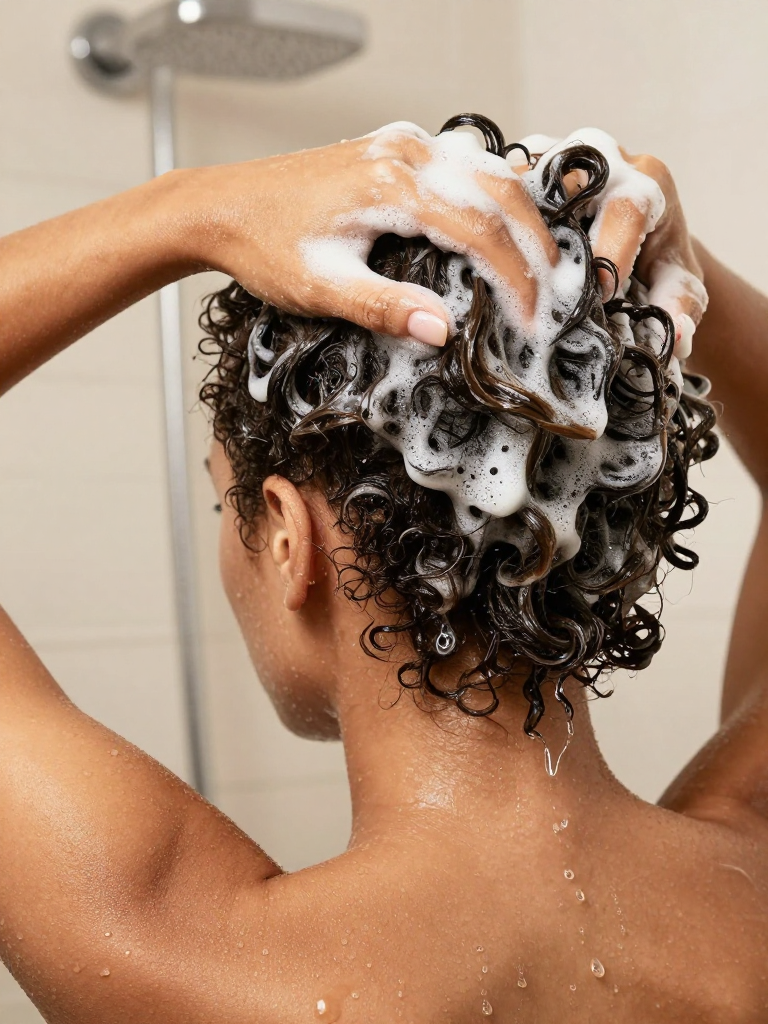
Once a week, do a full wash day. Use a sulfate-free shampoo (sulfates strip natural oils that your hair desperately needs), then follow with a deep conditioner. Let the deep conditioner sit for 15-30 minutes under a plastic cap — the heat from your head helps it penetrate the hair shaft. Rinse with cool water to seal the cuticle. This weekly routine removes product buildup, rehydrates your hair, and resets your curl pattern. Skip it and you’ll notice your afro looking dull and feeling crunchy within two weeks.
Step 4: Trim and Shape Every 3-4 Weeks
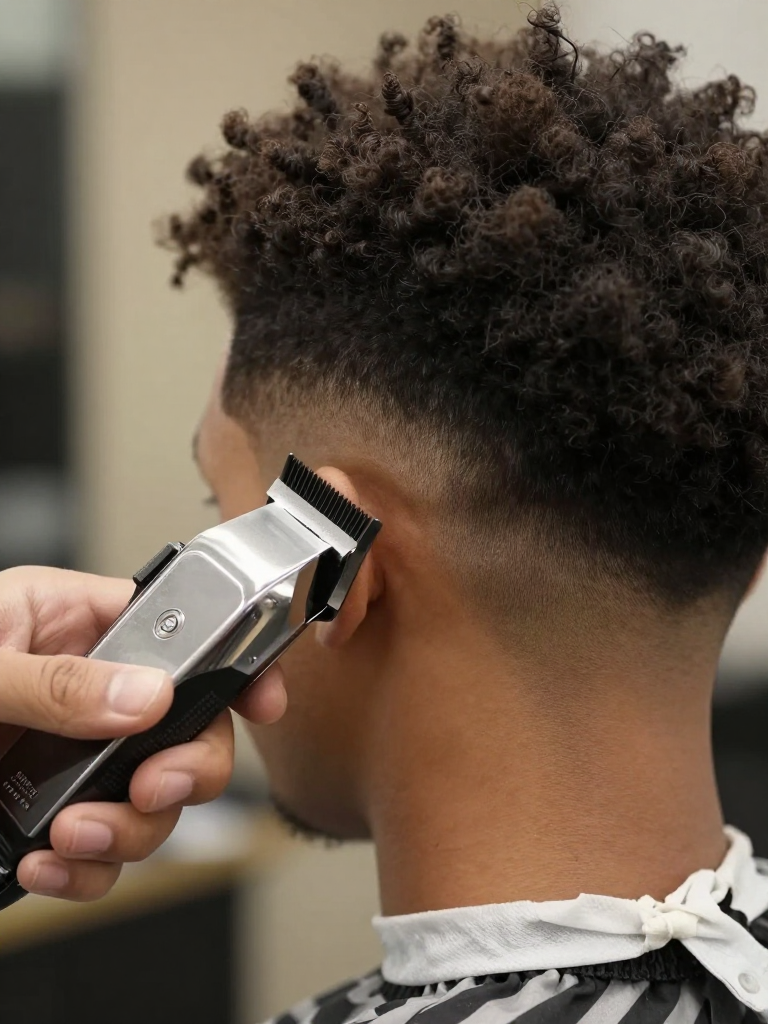
The short afro grows out, and as it grows, the shape changes. The edges get fuzzy. The nape gets shaggy. The overall silhouette loses its definition. Every 3-4 weeks, go back to your barber for a shape-up. This isn’t a full haircut — it’s maintenance. They’ll clean up the perimeter, trim any uneven growth, and restore the shape. Between barber visits, you can maintain the edges at home with a trimmer. Just line up the temples and sideburns — don’t touch the crown unless you know what you’re doing.
Step 5: Protect It While You Sleep

Cotton pillowcases are your afro’s worst enemy. The friction pulls moisture from your hair and roughs up the cuticle, leading to dryness, breakage, and frizz. Every night, either wrap your hair in a satin or silk scarf, wear a satin bonnet, or sleep on a satin pillowcase. This single change — which takes five seconds — will make more difference in your hair health than any product you buy. Your morning routine gets shorter too, because your hair doesn’t need as much re-styling after sleeping on satin.
Watch Out
- Don’t use heat on your afro regularly — blow dryers and flat irons can permanently alter your curl pattern.
- If you notice thinning or breakage at the edges, stop using tight headbands and edge control — your edges are fragile.
Pro Tips
The short afro is the lowest-maintenance natural style you can wear — but ‘low maintenance’ doesn’t mean ‘no maintenance.’ Ten minutes a day, a weekly wash day, and a barber visit every month. That’s the entire commitment. The rest of the time, you just walk out the door and let your hair do its thing. It’s the simplest routine on this entire site, and the results speak for themselves.
Spray. Moisturize. Sleep on satin. Show up fresh tomorrow.