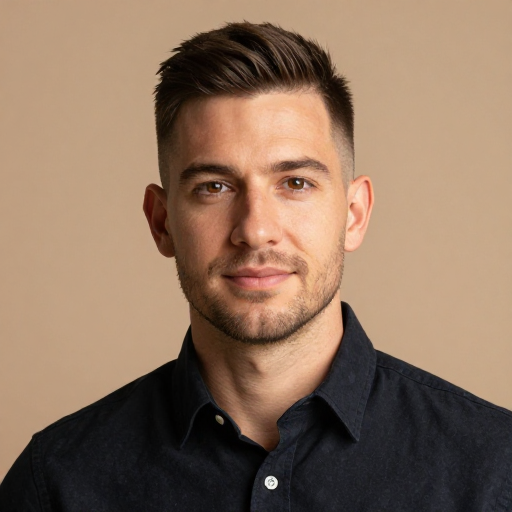
The Curly Mullet for Men: How to Cut, Style, and Own It
Your curls already do half the work. This guide handles the other half.
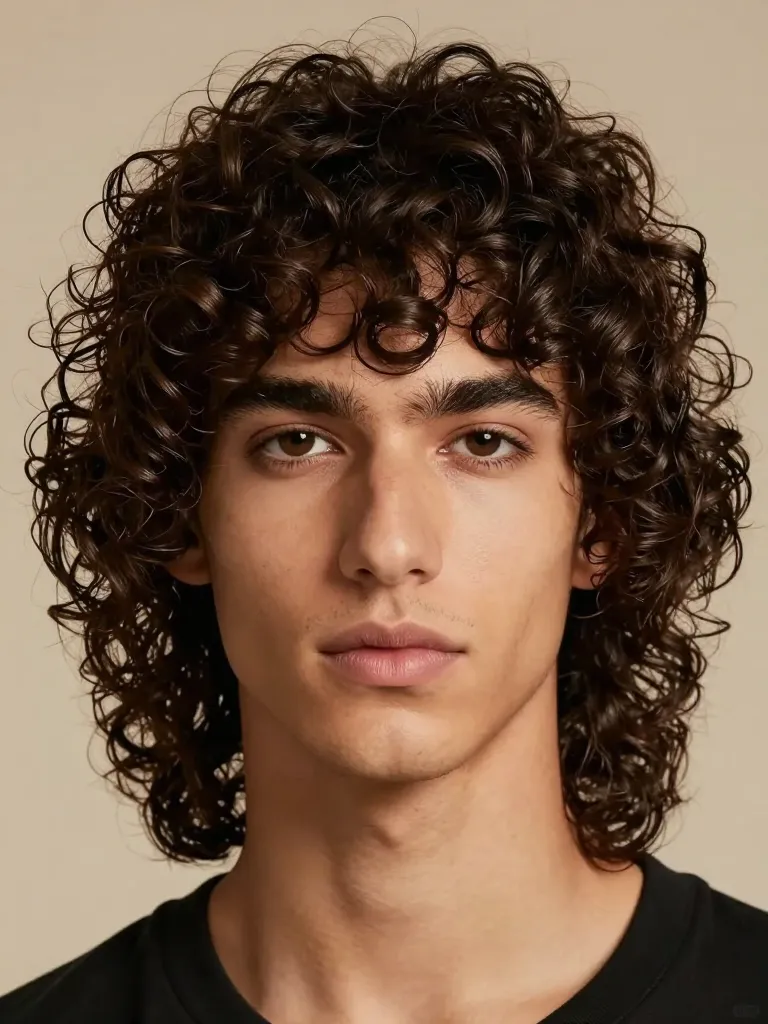
Curly-haired men have a secret advantage in the mullet game: natural volume. While straight-haired guys are fighting gravity with blow dryers and product, your curls are building structural lift for free. The challenge isn’t volume — it’s control. Uncontrolled curls in a mullet look like a helmet. Controlled curls look like architecture. The difference is in the weight distribution, the curl pattern management, and the strategic thinning that keeps the silhouette clean.
Step 1: Map Your Curl Pattern Zones
- Wide-tooth comb
- Sectioning clips
- Mirror
Before cutting, you need to understand how your curls behave in different zones. Most curly-haired men have tighter curls at the crown and temples, and looser curls at the nape and behind the ears. Part your hair into three horizontal zones: crown (top 3 inches), mid-back (middle section), and nape (bottom section). Note the curl pattern in each — this determines how you layer. Tighter crown curls need less layering (they build volume on their own). Looser nape curls need more layering (they tend to hang flat).
Step 2: Cut the Back with Curl-Specific Layering
- Sharp shears
- Wide-tooth comb
- Spray bottle with water
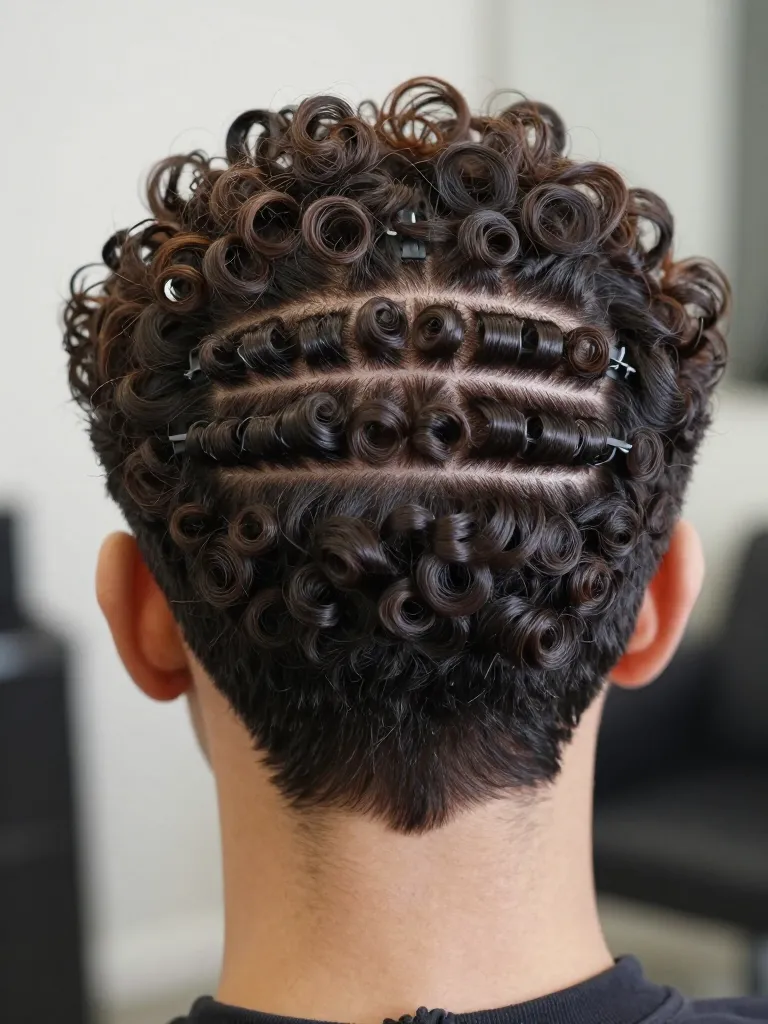
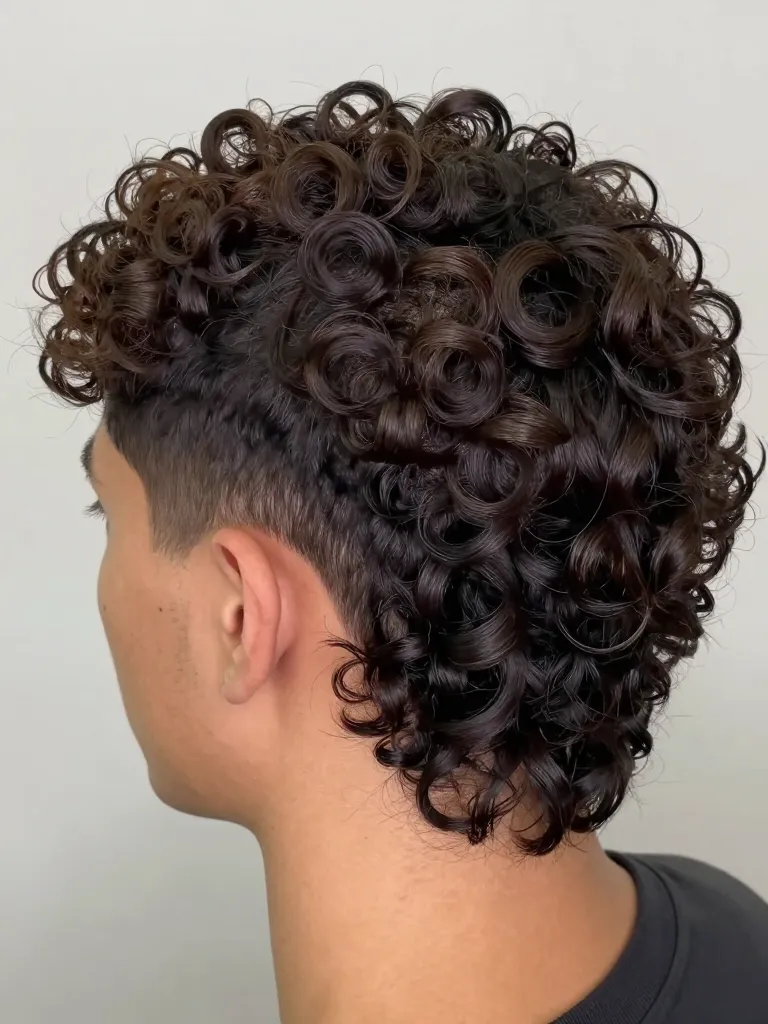
The back of a curly mullet is shaped differently than a straight mullet. Instead of cutting a uniform length, you cut each curl at its natural fall point — this means individual curls are cut to different lengths, but they all hang at the same visual level. Lift each curl section straight up, find where it naturally falls, and cut just below that point. The nape curls (looser) get cut slightly longer to compensate for less shrinkage. The mid-back curls (medium) get cut at their natural level.
Step 3: Build the Crown Layers
- Sharp shears
- Wide-tooth comb
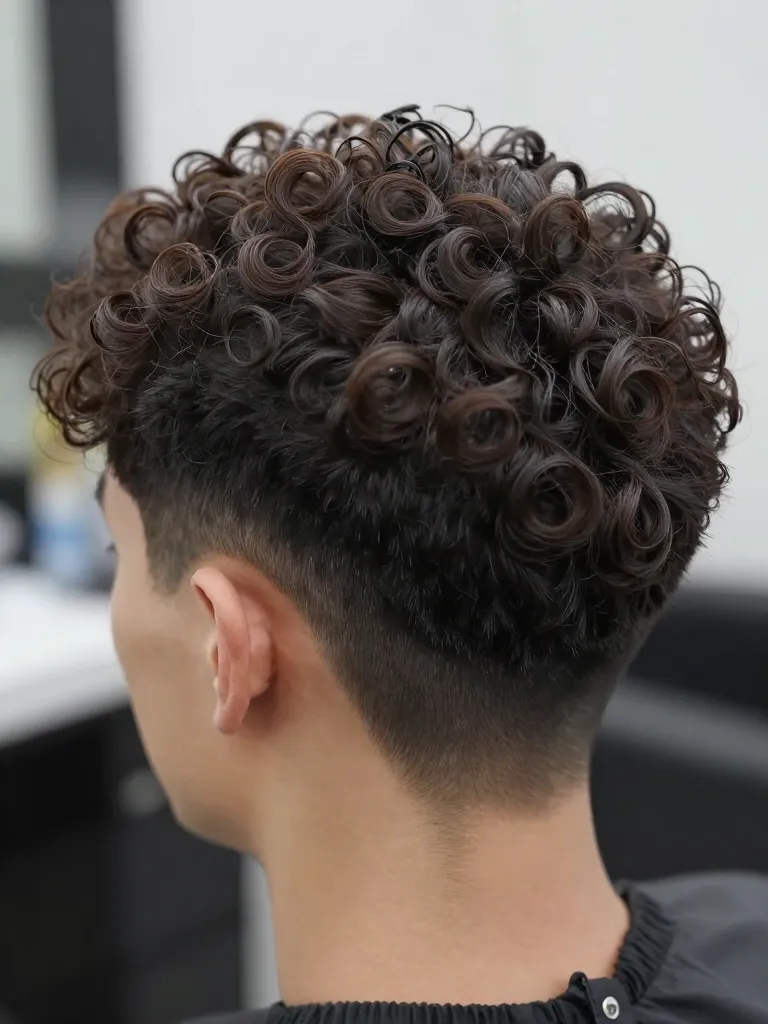
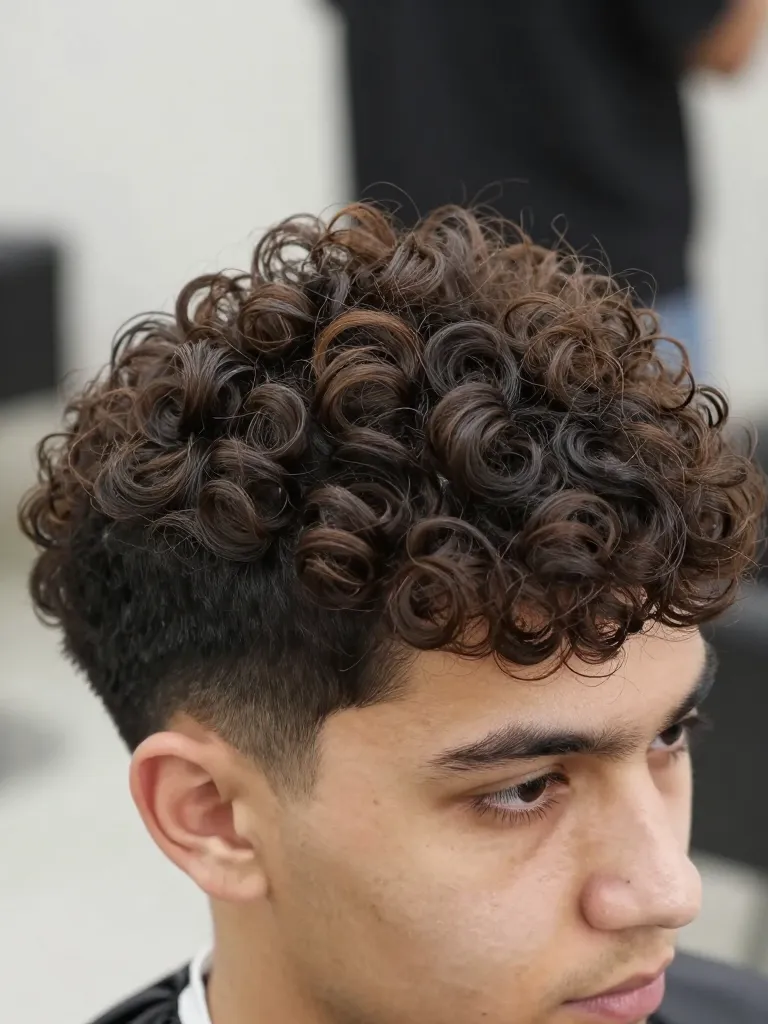
The crown of a curly mullet needs strategic thinning, not length removal. Curly crown hair builds volume naturally — your job is to prevent it from building too much volume (which creates the ‘mushroom’ shape). Take vertical sections at the crown and point-cut into the interior of each section, removing bulk from the middle while keeping the outer curl length intact. The crown should be 2-3 inches of curl (which shrinks to about 1.5-2 inches when dry).
Step 4: Define the Transition Zone
- Sharp shears
- Mirror
The transition zone is where the mullet happens on curly hair — but it works differently than on straight hair. On straight hair, the transition is a visible gradient (short to long). On curly hair, the transition is a curl-pattern gradient (tight to loose). The crown curls are tighter and shorter, the mid-back curls are medium, and the nape curls are looser and longer. This natural progression creates the mullet silhouette without a hard break.
Step 5: Style for Curl Definition
- Curl-defining cream or leave-in conditioner
- Diffuser (optional)
- Wide-tooth comb
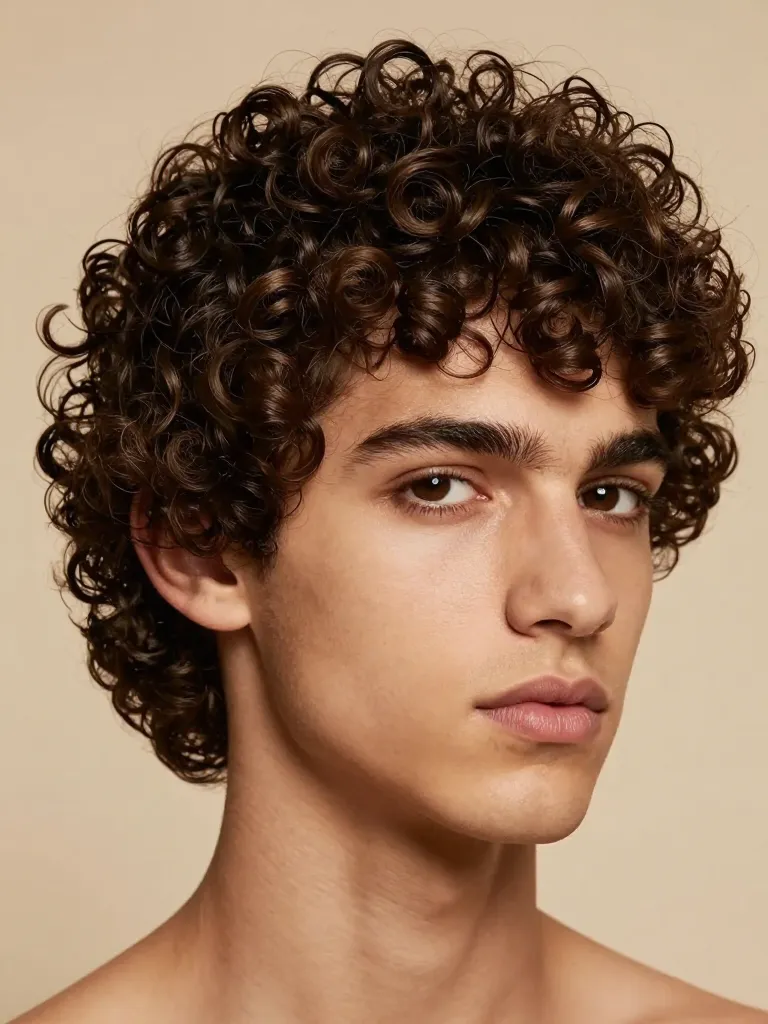
Curly mullets need moisture and definition, not hold and control. Start with damp hair (not dripping). Apply a curl-defining cream or leave-in conditioner — work it through with your fingers, scrunching each section upward to activate the curl pattern. Don’t brush — brushing curly hair breaks the curl pattern and creates frizz. Air-dry or diffuse on low heat. The final look should have defined, separated curls with natural volume — not frizzy, not crunchy, not flat.
Why This Works
The curly mullet works because curls are natural volume builders. While straight-haired mullets need product and tools to create the front-back silhouette, curly mullets get it from the curl pattern itself. Tighter crown curls build height. Looser nape curls create length. The natural gradient from tight to loose IS the mullet — you’re just shaping what’s already there. The key engineering is weight management: removing bulk from the interior (to prevent mushroom shape) while keeping the outer curl length intact (to maintain definition).
Safety Warnings:
- Never cut curly hair soaking wet — it shrinks 30-50% when dry, leading to much shorter results than intended
- Don’t thin curly hair with thinning shears — they create frizz and breakage on curl patterns
- Avoid brushing curly hair when dry — it breaks the curl pattern and creates a frizzy, undefined mess
Pro Tips
Related Guides
- All men’s mullet variations — the full overview
- Straight hair mullet guide — if your hair is naturally straight
The curly mullet is the mullet that curly-haired men were born to wear. Your curls do the volume, the texture, and the structural work that straight-haired guys need tools and product to achieve. Your job is just to shape the canvas: strategic layering for weight management, zone-specific cutting for curl pattern respect, and moisture-rich styling for definition.
Your curls were always a mullet waiting to happen. Let them out. ✂️🌀