Lowlights for Brunettes: 4 Dimensional Color Techniques
Dark hair doesn’t need bleach to have depth. These lowlight techniques add shadow, movement, and richness without frying your strands.
Brunettes get overlooked in the color conversation. Everyone’s talking about balayage, babylights, platinum transformations — meanwhile, the people with dark hair are sitting there wondering if their only option is to go lighter. It’s not. Lowlights do the opposite of highlights: instead of lifting color, they deposit darker shades into specific sections of your hair. The result is depth. Dimension. That thing where light hits your hair and you can actually see movement instead of one flat block of brown. The best part? Lowlight damage is minimal compared to lifting processes. You’re adding pigment, not stripping it. That means less breakage, less porosity drama, and a color that actually lasts. Here are four lowlight techniques that make brunette hair look like it costs $400 to maintain — even when it didn’t.
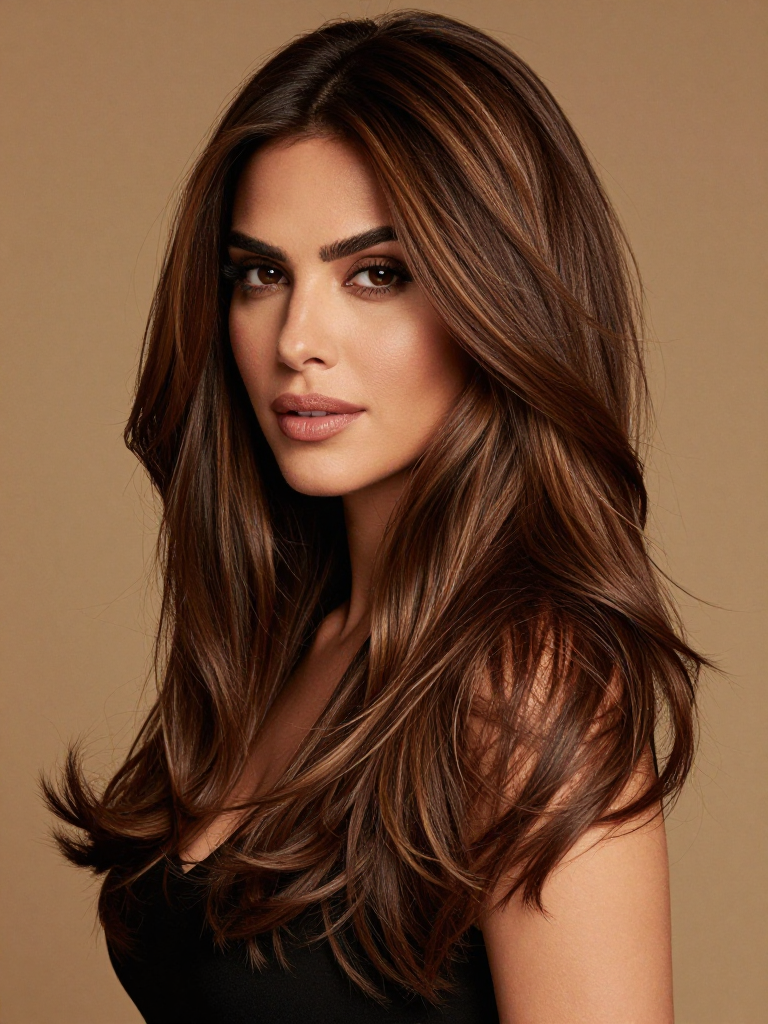
1. The Chocolate Shadow Lowlight
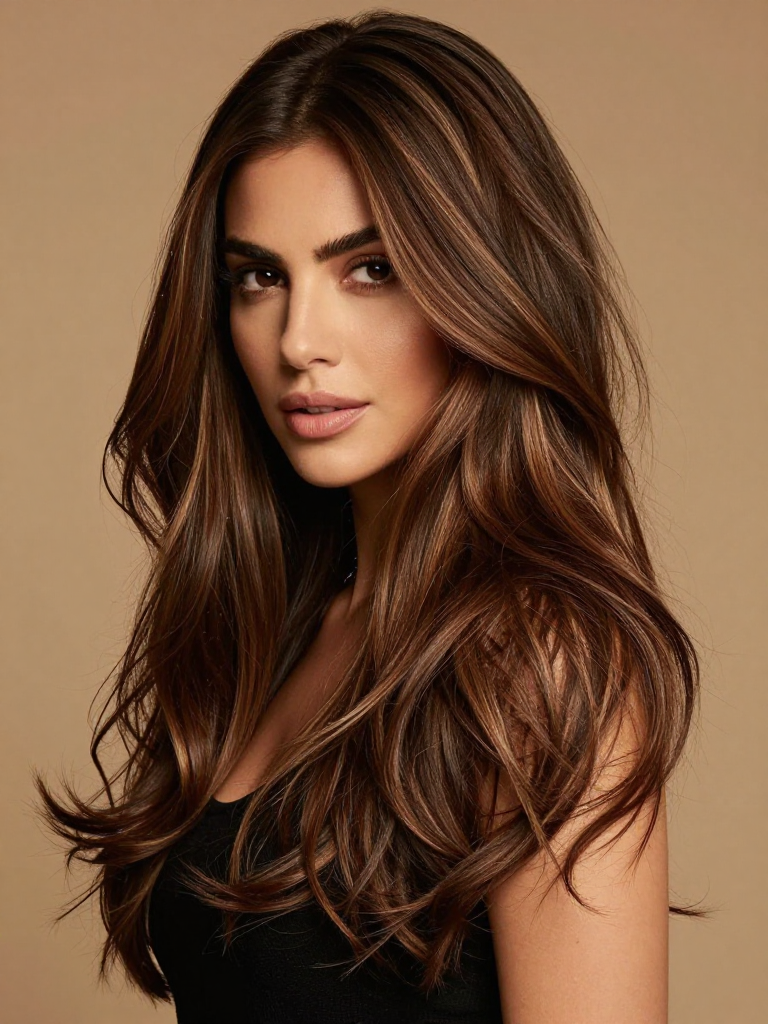
The Chocolate Shadow technique deposits a shade that’s 1-2 levels darker than your natural base into the mid-lengths and ends. Your colorist paints these sections freehand — no foils, no caps — creating irregular patterns that mimic how hair naturally darkens in shadow. The placement is strategic: more lowlights near the face to frame it, fewer through the crown to maintain brightness. On medium brown hair, this reads as instant dimension. On dark brown hair, it creates that elusive ‘rich brunette’ effect that looks like you were born with perfect hair. Maintenance is every 10-12 weeks because the grow-out line is soft, not stark.
2. The Espresso Root Melt Lowlight
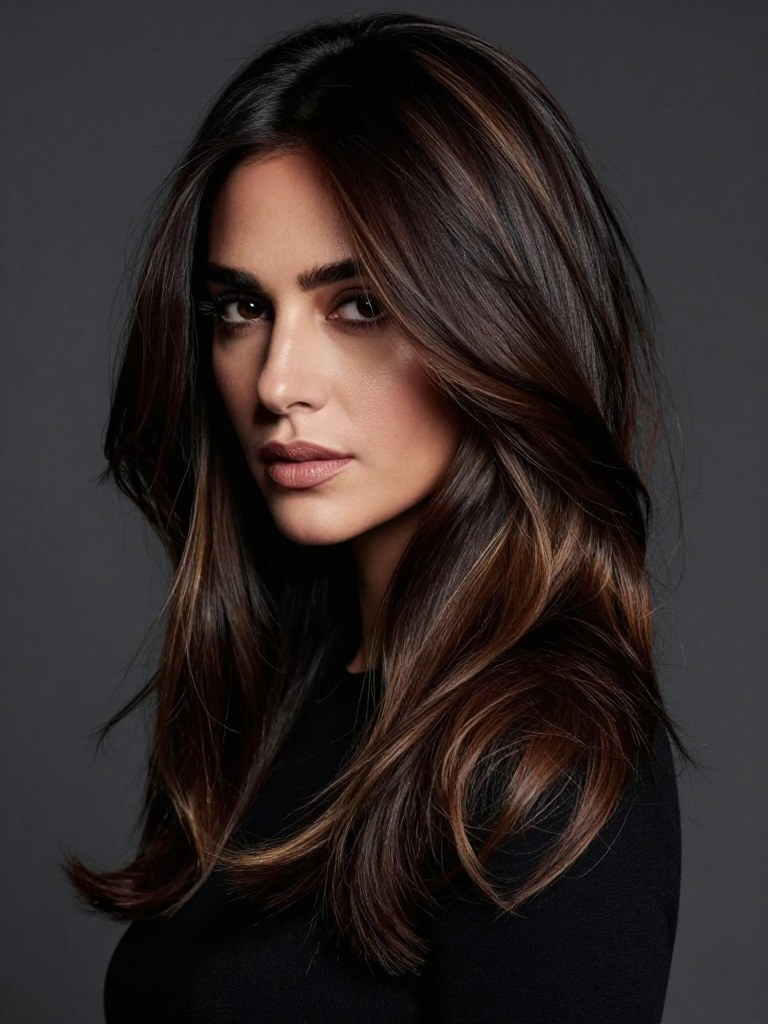
The Espresso Root Melt focuses lowlights at the roots and top sections of the head — exactly where light naturally hits and makes hair look thinner. Your colorist applies a shade 2-3 levels darker than your base in a melting pattern: concentrated at the root, diffusing as it moves down the strand. This creates the optical illusion of thicker, more voluminous hair because the darker roots absorb light while the lighter mid-lengths reflect it. The contrast is intentional and architectural. This technique works particularly well on brunettes who’ve previously lightened their hair and want to reintroduce depth without committing to an all-over dark color. The grow-out is forgiving because the root placement means new growth blends right in.
3. The Mahogany Veil Lowlight
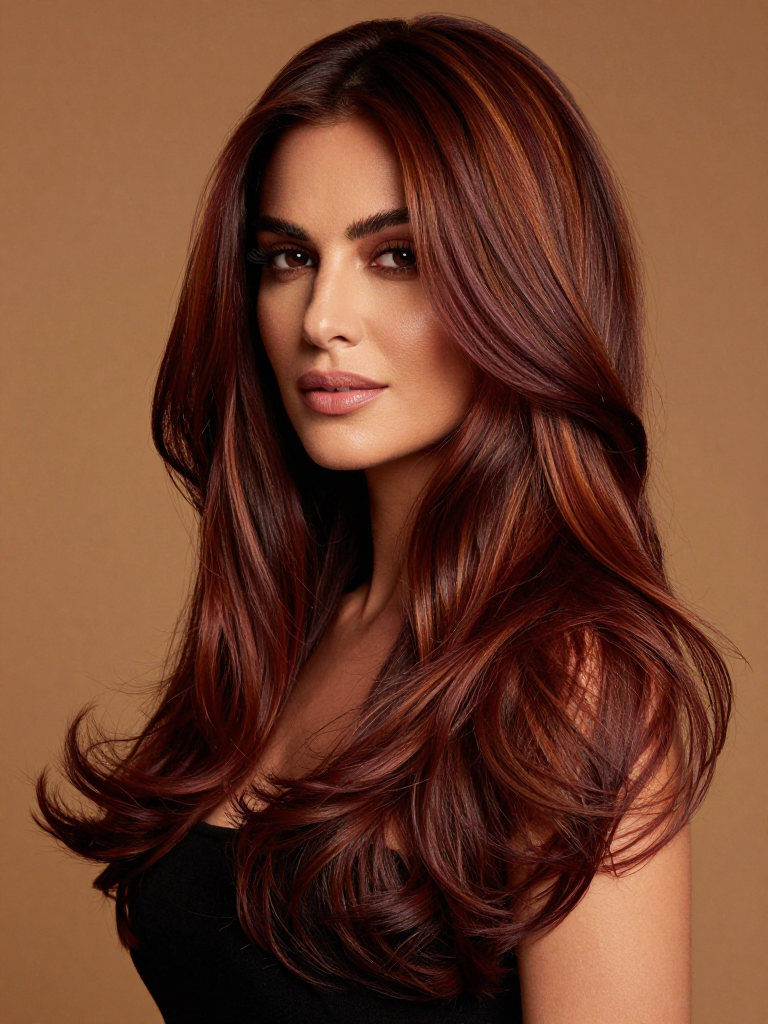
The Mahogany Veil deposits burgundy-mahogany tones into select sections of brunette hair. Unlike a full mahogany color which reads as ‘red,’ the veil technique applies these tones sparingly — maybe 15-20% of your total hair — creating a translucent wash of warmth over your natural base. The magic is in how it plays with light: under fluorescent office lighting, it reads as rich brown. Under warm restaurant lighting, the mahogany comes alive. In sunlight, you get this multi-tonal shimmer that flat brunette hair simply can’t produce. This technique requires a colorist who understands undertones because mahogany can easily go brassy on warm-toned brunettes. Ask for a cool-leaning mahogany (violet base, not red) if your skin has warm undertones.
4. The Babylight Lowlight Reverse
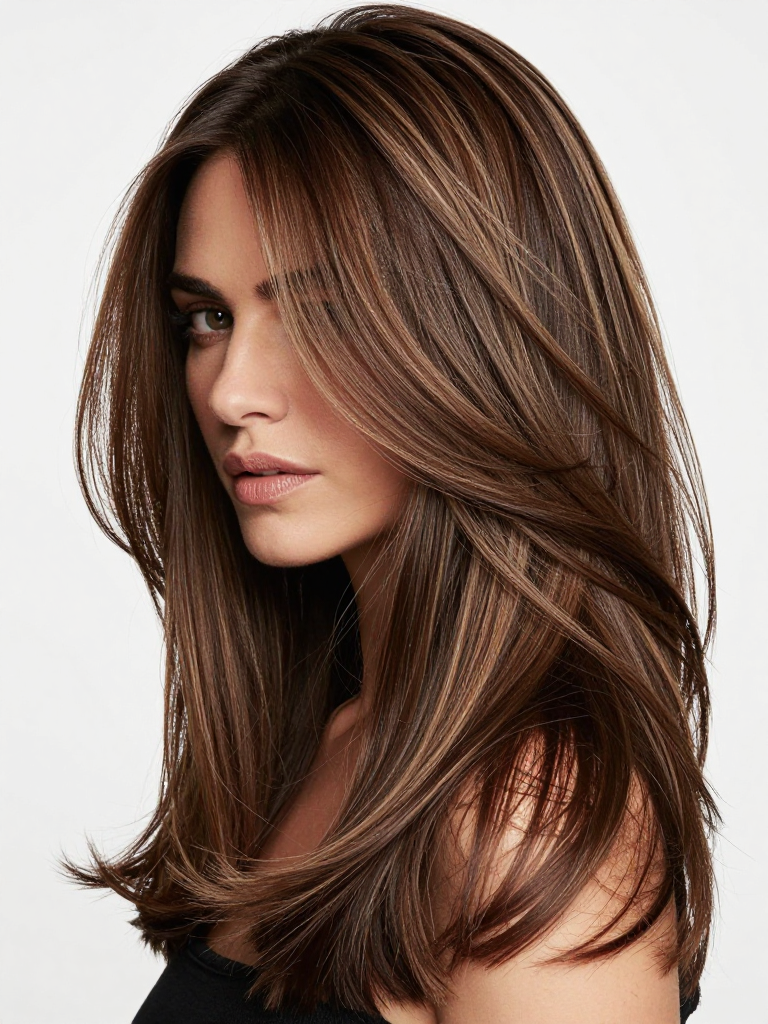
Reverse Babylights take the babylight concept — ultra-fine, precise strand placement — and flip it. Instead of weaving in thin highlights, your colorist weaves in thin lowlights: strands that are 1-2 shades darker than your base, placed in a fine, irregular pattern throughout the entire head. This is the most labor-intensive technique on this list (expect 2-3 hours in the chair) but the result is unmatched dimension. The fine placement means there are no visible ‘chunks’ of color — just an overall richness that looks like your hair naturally has 15 different tones in it. This is the technique celebrities use when their hair looks ‘naturally perfect’ and you can’t figure out why. The grow-out is the softest of any lowlight technique because the fine strands blend seamlessly with new growth.
Tools & Products
| Item | Purpose | Category |
|---|---|---|
| Color-safe shampoo and conditioner | Preserves lowlight pigment and prevents premature fading | hair_care |
| Purple or blue toning shampoo | Neutralizes any brassiness that develops as lowlights fade | hair_care |
| Heat protectant spray | Prevents heat styling from accelerating lowlight fade | styling |
| Deep conditioning mask | Maintains hair health between color appointments | hair_care |
Related Guides
Balayage hair — the highlighting counterpart to lowlights — If you want to understand the full dimension picture, balayage adds light while lowlights add shadow. Many brunettes use both together.
Calico hair — for bolder multi-tonal color — If you want dimension but with more contrast and attitude than subtle lowlights, calico hair goes in the opposite direction.
Brunettes don’t need to go lighter to have interesting hair. Lowlight techniques prove that depth is just as impactful as brightness — and often more wearable. The key is choosing the right technique for your lifestyle: chocolate shadow for the low-maintenance crowd, espresso root melt for fine-haired brunettes, mahogany veil for warm undertone lovers, and reverse babylights for anyone willing to spend extra time in the chair for the best result. Whatever you choose, make sure your colorist understands the difference between lowlights and just going darker. Good lowlights are placed with intention — bad ones look like you accidentally dyed your hair.
Pick your depth. Book a colorist who actually knows lowlight placement. Let the shadows do the work.