How to Cut Bangs for a Heart Shaped Face at Home: The Complete Guide
Your face geometry is specific. Your bangs should be too. Here’s how to get salon-quality results at home.
A salon bang trim costs $15-30, and you need one every 4-6 weeks. That’s $130-390 a year just to maintain a few inches of hair. The math doesn’t make sense, especially when the technique is something you can learn in one session. The catch: heart shaped faces need a specific approach to bang cutting. Too blunt and you’ll widen your forehead. Too short and you’ll emphasize the top-heaviness. Here’s the geometry-based method that works.
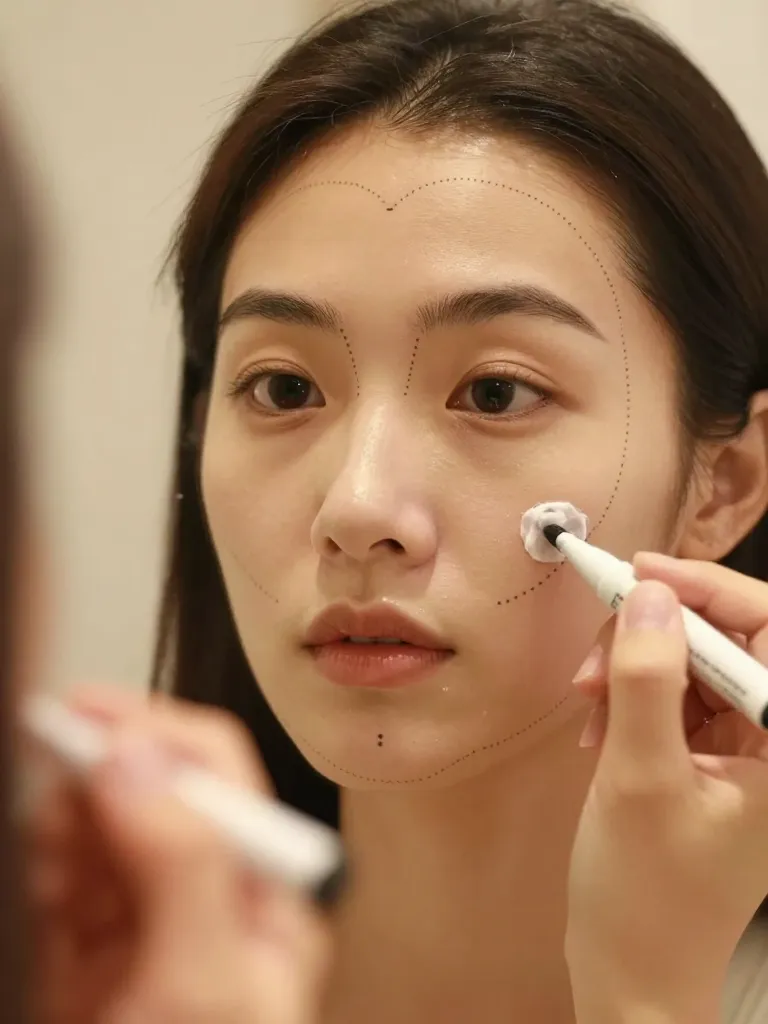
Step 1: Map Your Face Geometry
5 minutes
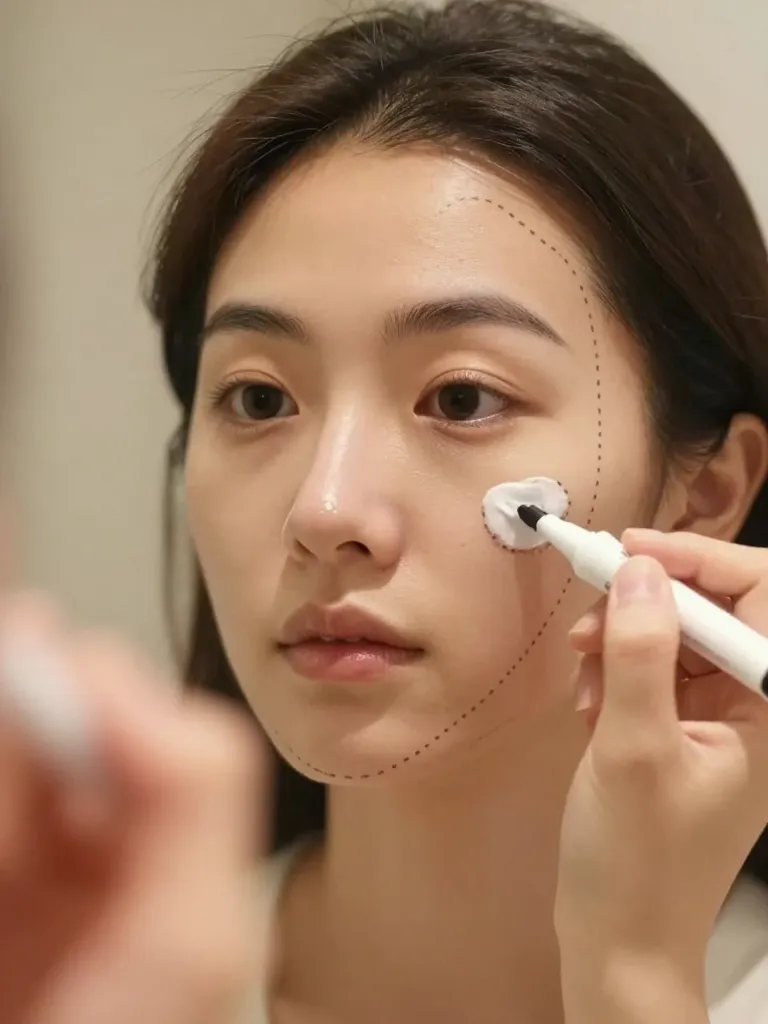
Before you touch the scissors, understand what you’re working with. Stand in front of a mirror and trace your face shape with a washable marker or just note the key points: your forehead is the widest part of your face, your cheekbones are prominent but slightly narrower than your forehead, and your chin comes to a point. This geometry tells you exactly where your bangs should start, how long they should be, and what angle they should follow. For heart shaped faces, the goal is to create a diagonal or soft vertical line that breaks up the forehead width without adding bulk to the upper face.
Step 2: Section the Bang Triangle
5 minutes
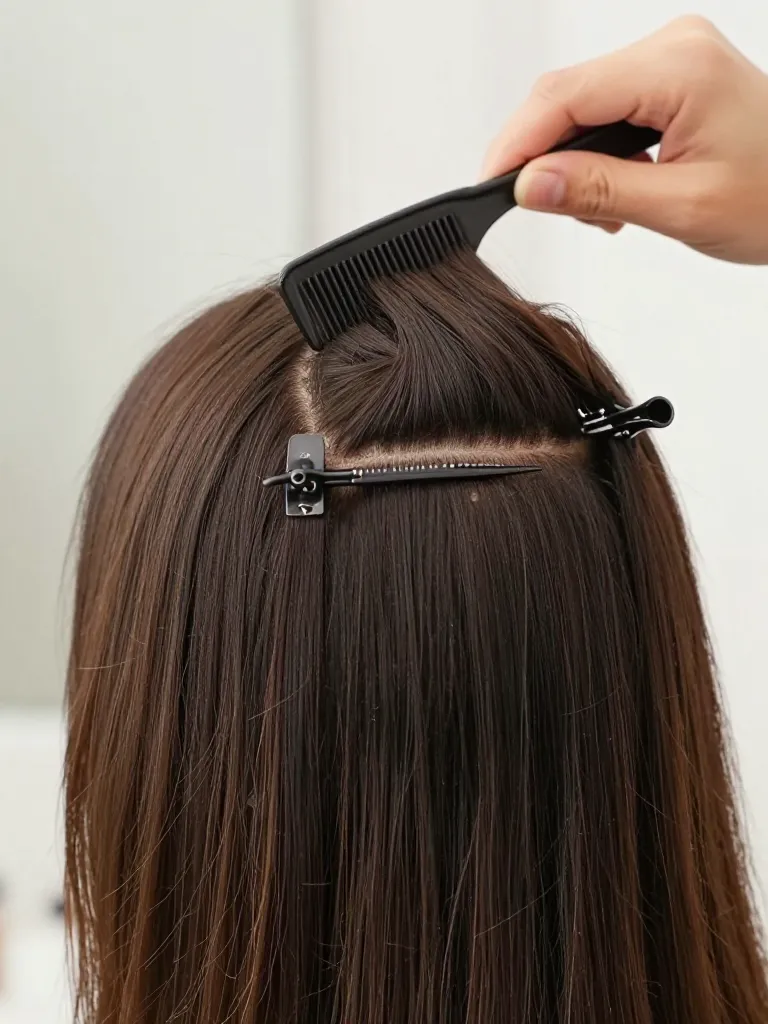
The bang triangle is the section of hair that will become your bangs. Take a rat-tail comb and create a triangular part starting at the peak of your hairline (where your hair naturally parts) and extending about 2-3 inches back toward the crown. The base of the triangle sits at your hairline, and the point goes back. The width of the base determines how thick your bangs will be — for heart shaped faces, aim for a base that’s about 3-4 inches wide. Too narrow and the bangs will look like a thin strip. Too wide and you’ll lose too much hair from the sides. Clip the rest of your hair out of the way.
Step 3: Determine Your Bang Length
2 minutes
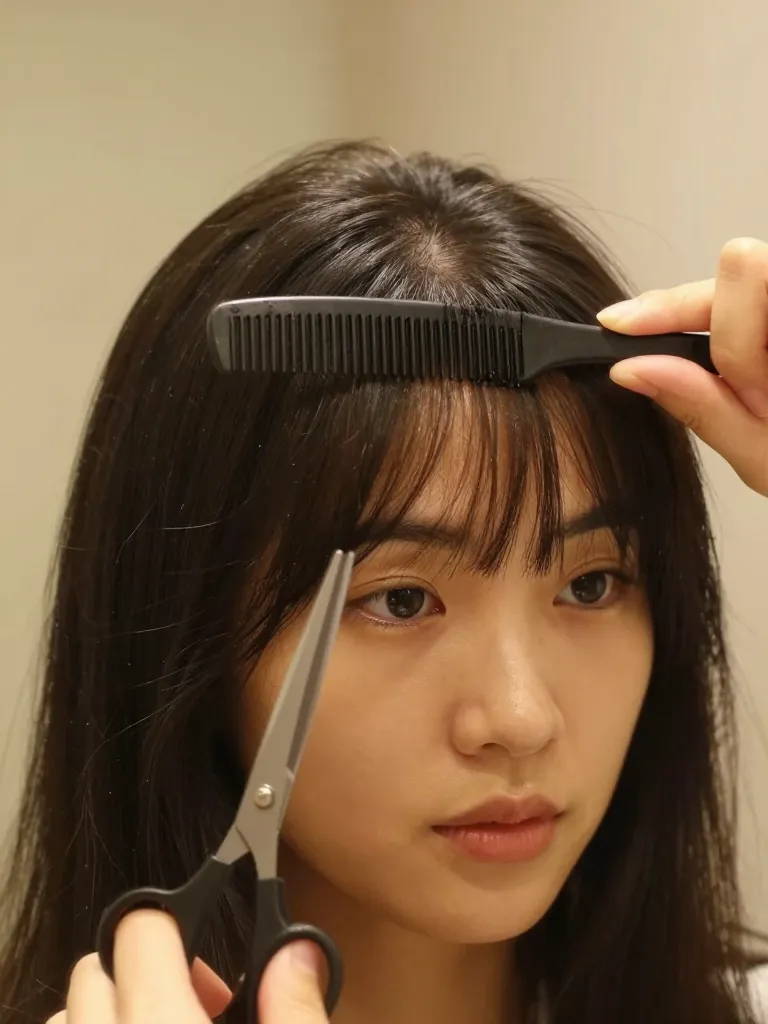
For heart shaped faces, the ideal bang length is at or just below the brow line. This length draws attention to your eyes (which are below the widest part of your forehead) while creating a visual frame that softens the forehead-to-chin ratio. To find your brow line, hold a comb horizontally across your forehead — where it meets your brows is your target length. Mark this point mentally or with a small clip. If you’re going for side-swept bangs, start this measurement at the shorter side of the sweep. If you’re going for curtain bangs, measure from the center split outward.
Step 4: Cut the Base Shape
3 minutes

Comb the bang section straight down over your face. Hold the scissors horizontally and cut at your marked length — but cut about half an inch longer than your target. You’ll refine in the next step. For heart shaped faces, don’t cut straight across in a blunt line. Instead, cut at a very slight angle: slightly shorter in the center and slightly longer at the temples. This creates a subtle arch that follows your brow line and prevents the bangs from looking like a heavy shelf across your forehead. The angle should be barely perceptible — about a quarter-inch difference from center to edge.
Step 5: Add Texture and Refine
5 minutes

This is where heart shaped face bangs go from ‘I cut my own bangs’ to ‘my stylist did these.’ Hold your scissors vertically and snip into the ends of your bangs at a 45-degree angle. This is called point-cutting, and it creates the textured, piecey edge that prevents bangs from looking like a blunt shelf. For heart shaped faces, focus the texture on the temple areas — this is where the bangs are longest and where you want the most movement. Don’t point-cut the center too much or you’ll create gaps. After point-cutting, comb through the bangs and check the shape. The center should be at your brow line, and the edges should gradually lengthen toward the temples. If anything looks uneven, make small corrections with the point-cutting technique.
Safety Warnings
- Never cut dry curly hair to the length you want — it will shrink 1-2 inches shorter when it dries.
- If you’re using thinning shears, only use them on the very ends — overuse creates frizz and flyaways.
Tips
Cutting bangs for a heart shaped face is about understanding geometry, not about having steady hands. Once you know that the goal is to create a diagonal or soft arch that breaks up forehead width, the cutting technique is just executing that plan. The center-to-temple angle, the brow-grazing length, and the point-cut texture all serve the same purpose: making your face look balanced and intentional. Do it once, and you’ll never pay for a bang trim again.
Grab the scissors. Map your face. Cut the angle. You’ve got this.