The Wolf Cut: 4 Variations of the Shaggiest Haircut Trend That Won’t Die
Part mullet, part shag, all chaos. The wolf cut is the haircut that looks like it styled itself.
The wolf cut exploded from TikTok into every salon chair in 2021 and hasn’t left since — because it’s actually a great haircut. It combines the layered volume of a 70s shag with the short-on-top, long-on-back silhouette of a mullet, and the result is a hairstyle that looks effortlessly messy in a way that takes surprisingly deliberate cutting. The wolf cut works on every hair texture, every face shape, and every gender — it’s one of the few truly universal haircuts. Here are four wolf cut variations that range from subtle to feral.

1. The Classic Wolf Cut

The Classic Wolf Cut is defined by its layering pattern: short, choppy layers on top that create volume and movement, blended into longer layers that fall past the shoulders. The bangs are curtain-style — parted in the middle and sweeping to each side. The back is longer than a traditional shag but shorter than a full mullet — it hits between the shoulder blades and the mid-back. The key to a good wolf cut is the layering technique: the top layers should be point-cut (cut at an angle, not straight across) to create that deliberately messy, piece-y texture. This cut works best on medium to thick hair — fine hair can look flat without enough product.
2. The Soft Wolf Cut
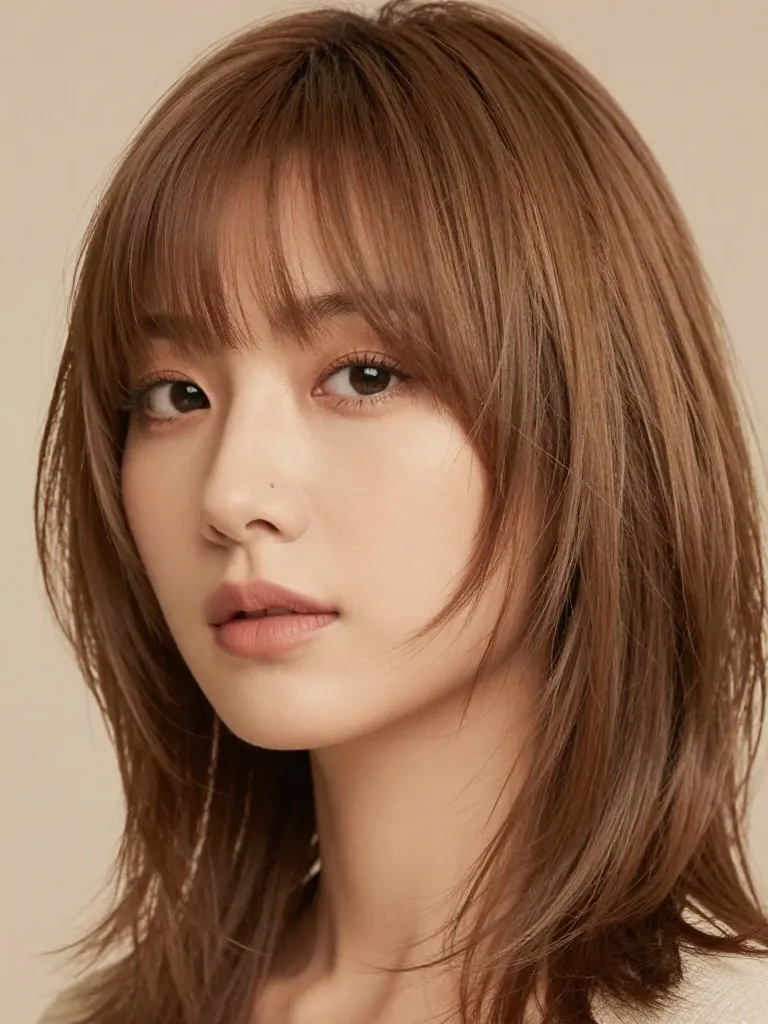
The Soft Wolf Cut tames the classic version for professional environments or people who want low-maintenance styling. The layers are longer and more blended — instead of choppy, disconnected layers, the transitions are smoother. The bangs are longer, grazing the cheekbones rather than hitting above the eyebrows. The back is longer too — closer to a lob than a mullet. This variation works on fine hair better than the classic wolf cut because the longer layers maintain weight and volume. Styling is minimal: air-dry with a sea salt spray for texture, or blow-dry with a round brush for a more polished finish.
3. The Curly Wolf Cut
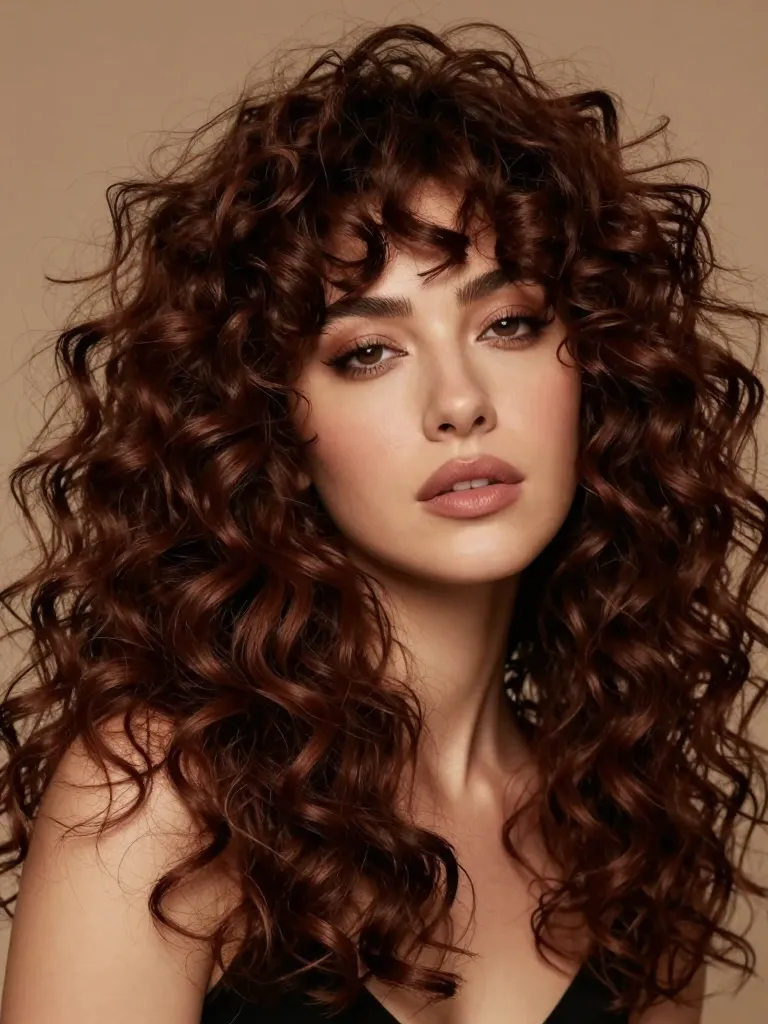
The Curly Wolf Cut is the variation that curly-haired people have been waiting for. The layering is adjusted for curl pattern: the top layers are shorter to create volume at the crown (where curls naturally spring up), and the bottom layers are longer to maintain definition and weight. The bangs are curly and face-framing — they bounce up shorter than they’re cut, so the stylist needs to account for shrinkage. This cut works on every curl type from 2a to 4c, but the layering pattern changes: tighter curls need more layers for volume, looser curls need fewer layers to maintain weight.
4. The Short Wolf Cut

The Short Wolf Cut compresses the wolf cut silhouette into a shorter frame. The top layers are 3-4 inches, the sides are ear-length, and the back is at the nape — shorter than a traditional wolf cut but maintaining the layered, shaggy character. The bangs are short and choppy — hitting above the eyebrows for a bold, editorial look. This variation is the lowest maintenance of all wolf cuts because the short length means layers stay defined longer. It works on every hair texture but is particularly striking on straight hair where the choppy layers create sharp, defined lines.
What You’ll Need
| Item | Purpose |
|---|---|
| Sea salt spray | Creates the lived-in texture essential to wolf cut styling |
| Texturizing powder | Adds root volume and grit to the choppy layers |
| Diffuser attachment | Dries curly wolf cuts without disrupting curl pattern |
| Point-cut shears | For at-home maintenance of choppy layer ends |
| Light-hold hairspray | Maintains texture without stiffness |
Related Guides
- The short wolf cut: the low-maintenance variation — How to get the wolf cut in a shorter, more manageable frame
- Wolf cut for men — The wolf cut isn’t gendered — here’s how men wear it
The wolf cut isn’t a trend — it’s a haircut architecture that works because it’s built on principles that have been in salon playbooks since the 1970s. Layered volume at the crown, face-framing bangs, and a silhouette that looks like it styled itself. The variations above prove that the wolf cut can be adapted for every hair texture, face shape, and maintenance preference — from the classic shaggy version to the short, bold iteration.
Howl at the mirror. You look incredible.