The 80s Shag Haircut: 4 Layered Looks That Refuse to Die
Big layers, bigger attitude. The shag is the haircut that defined a decade and keeps coming back because nothing else moves like it.
The shag didn’t ask for permission. It showed up in the late 70s, hit its stride in the 80s, and never really left — it just went underground for a while. The whole point is layers. Heavy, face-framing, movement-creating layers that start at the crown and cascade down. No blunt cuts. No uniformity. Just controlled chaos that looks like you rolled out of bed at a rock concert and somehow nailed it. The 80s version cranked everything up: more volume, more texture, more “I don’t care” energy (while clearly caring a lot). Think Joan Jett, think early Madonna, think every backup singer in every MTV video. The shag works because it flatters almost everyone — the layers remove bulk from thick hair, add body to fine hair, and frame every face shape differently. Here’s what the 80s shag actually looks like and how to wear it now.
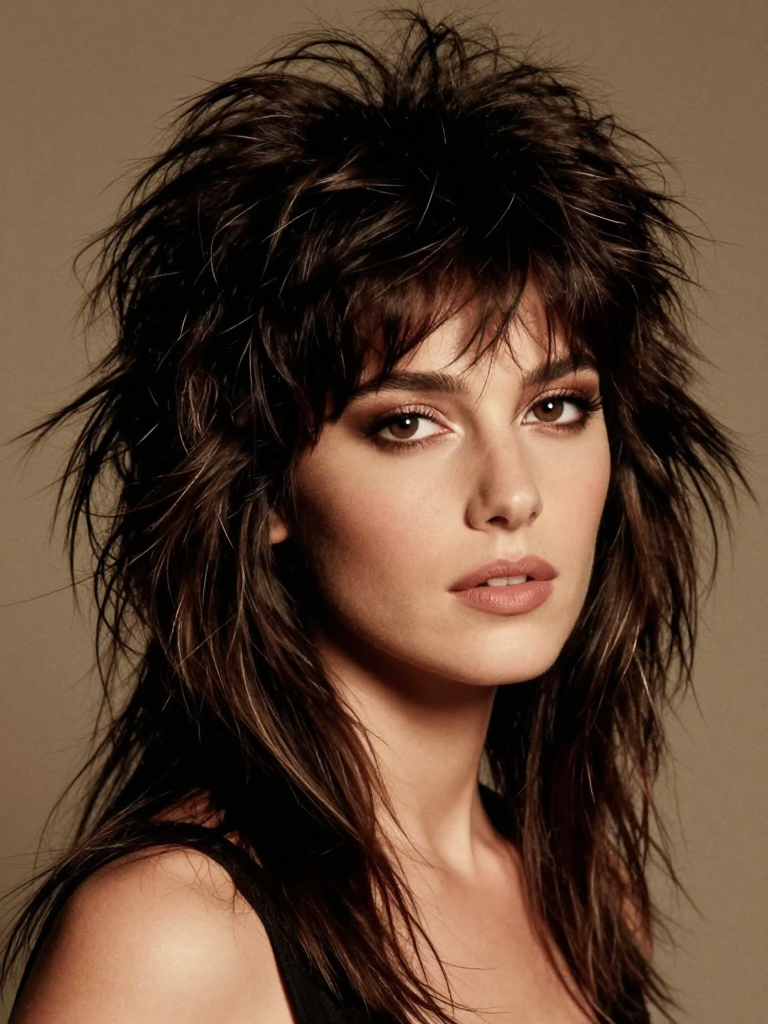
1. The Rocker Shag
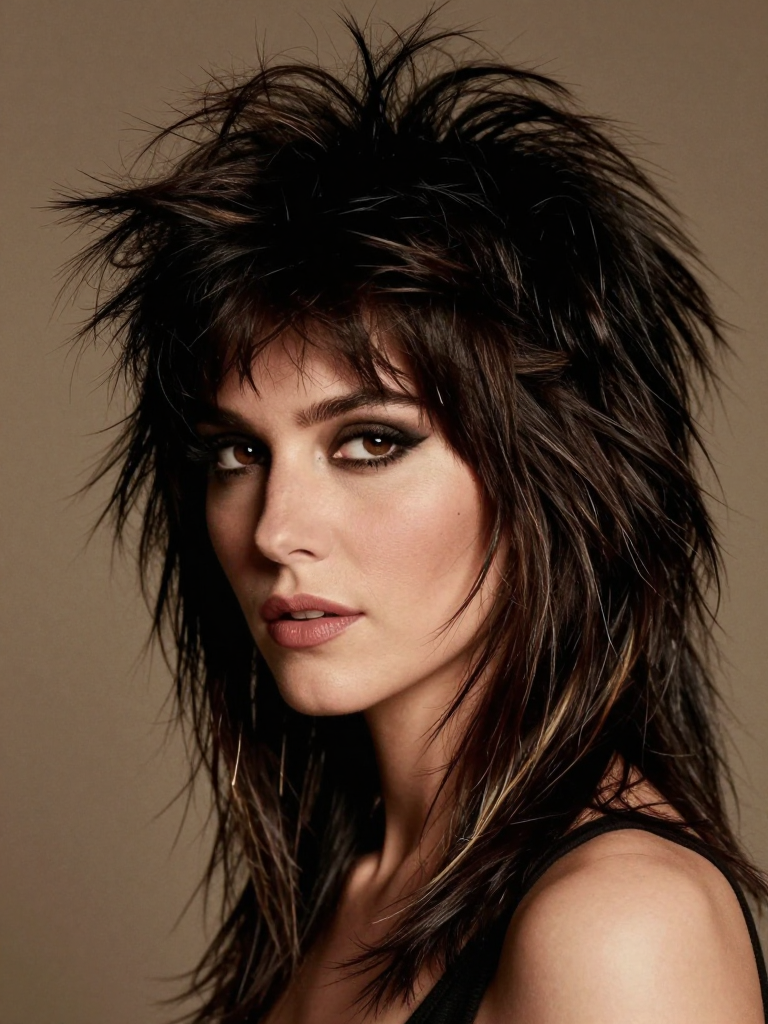
The Rocker Shag is the purest version of the 80s shag. Heavy layers start at the crown and get progressively longer toward the ends, creating that signature cascading effect. The sides are feathered — not blunt — so the hair frames the face in wispy pieces rather than heavy curtains. The back has enough length to hit the collar or slightly past it, giving it that subtle mullet energy without going full business-in-the-front. This cut thrives on texture. Straight hair gets instant movement. Wavy hair gets amplified. Curly hair gets defined without the triangle shape. The trick is to never brush it — scrunch in some mousse or texturizing spray, rough-dry with your hands, and let the layers do their thing. The messier, the better.
2. The New Wave Shag
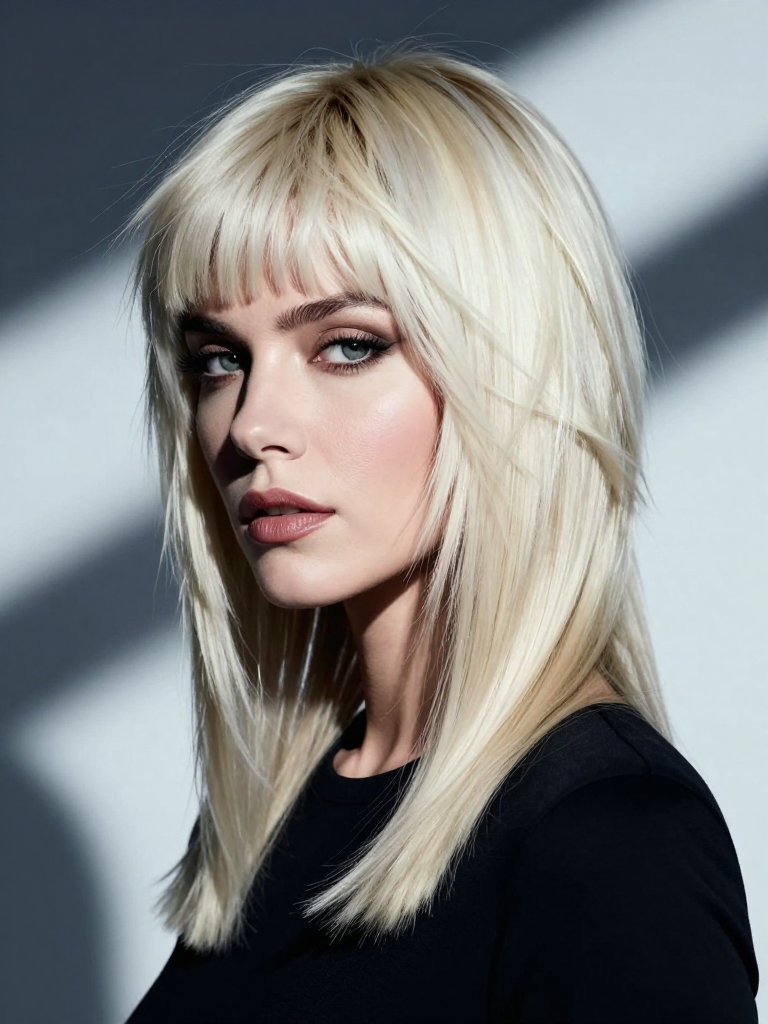
The New Wave Shag takes the basic shag structure and adds architecture. The layers are more deliberate — cut with precision rather than razor-slashed — and the fringe is often asymmetrical, longer on one side, creating a diagonal line across the forehead. The ends are tapered to a point rather than left blunt, giving the whole cut a sharper silhouette. This version works especially well on finer hair because the tapered ends create an illusion of thickness without actual weight. The angular fringe draws attention to the eyes, and the graduated layers add volume exactly where you need it — at the crown — while keeping the sides sleek. It’s the shag for people who want structure without stiffness.
3. The Curtain Bang Shag
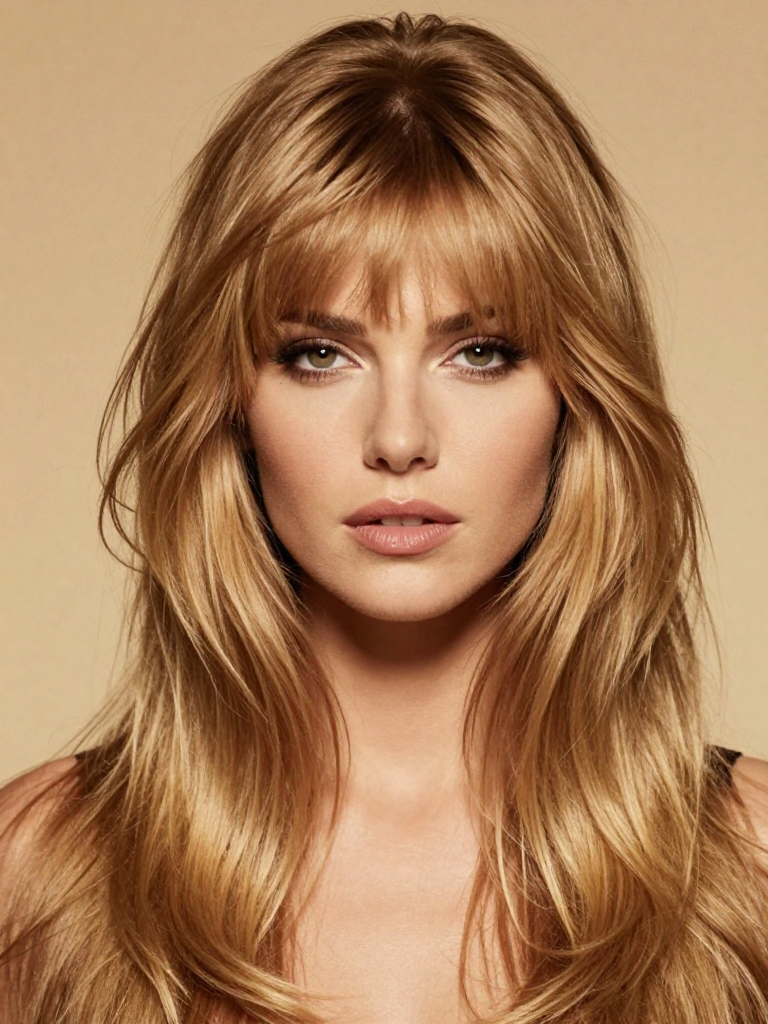
The Curtain Bang Shag is the softer side of the 80s. Instead of heavy, blunt bangs, the fringe is parted in the center (or slightly off-center) and swept to both sides, blending into the face-framing layers. This creates a curtain effect — the bangs frame the forehead and cheekbones while the layers below continue the cascade. This version is the most versatile because the curtain bangs can be adjusted. Want them shorter? Cut them to cheekbone length for a more dramatic frame. Longer? Let them blend into jaw-length layers for a subtler effect. The rest of the shag follows the same layering pattern — heavy at the crown, feathered at the sides — but the curtain bangs soften the whole thing. It reads less “rock concert” and more “gallery opening.”
4. The Volume Shag
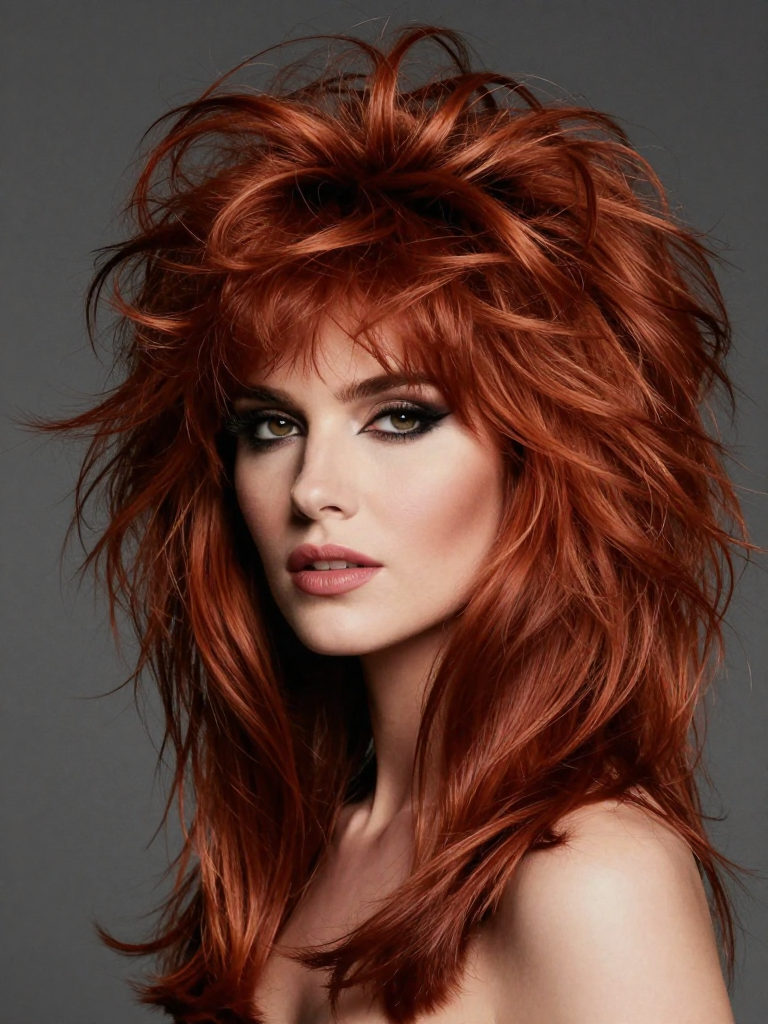
The Volume Shag takes the shag’s layering principle and cranks the crown layers shorter and tighter for maximum lift. Where a standard shag starts its longest layers at about jaw length, the Volume Shag starts its shortest layers at two to three inches from the crown — creating a stacked effect that pushes the hair upward before it cascades down. The result is serious height. This is not a subtle haircut. It’s for people who want their hair to enter the room before they do. The Volume Shag works best on thick, slightly textured hair that has natural body — or on anyone willing to commit to mousse, a round brush, and a blow-dryer. On fine hair, backcombing at the roots and a strong-hold volumizing spray are non-negotiable. The 80s were not about subtlety, and neither is this cut.
Tools & Products
| Item | Purpose | Category |
|---|---|---|
| Volumizing mousse | Essential for creating lift at the roots and defining layers | styling |
| Texturizing spray | Adds grit and separation to shag layers for that lived-in look | styling |
| Round brush (medium barrel) | Blow-drying layers for volume and face-framing shape | tools |
| Dry shampoo | Extends the style — shags look better on day-two hair | styling |
| Razor comb | DIY layer thinning and texturizing between salon visits | tools |
Related Guides
How to get the 80s shag at home — step-by-step tutorial — A complete DIY guide to cutting and styling an 80s shag without a salon visit.
The 80s shag survived four decades of trend cycles because it solves a real problem: how to have movement and volume without looking like you’re trying. The layers do the work. You just have to let them. Whether you go full rocker or soft curtain bang, the shag is the haircut that looks like you — just with better hair days.
Pick your vibe. Grab the mousse. Let the layers fly.