60s Hair: How to Recroduce the Mod, Hippie, and Bouffant Looks
The decade that broke every hair rule — and the techniques that still work.
The 1960s was the most revolutionary decade in hair history. The bouffant, the beehive, the mod bob, hippie waves — every style was a rebellion against the previous decade’s conformity. And the techniques used to create them? Still some of the most useful in modern styling. Here’s how to recreate five iconic 60s looks.
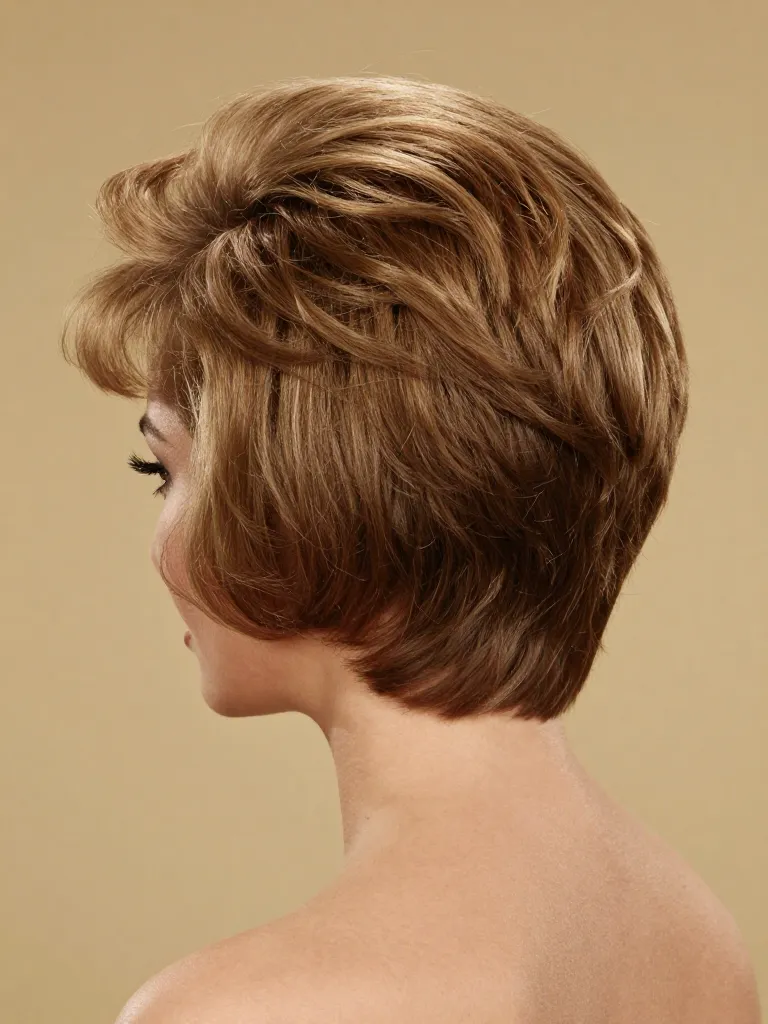
Step 1: The Bouffant Base
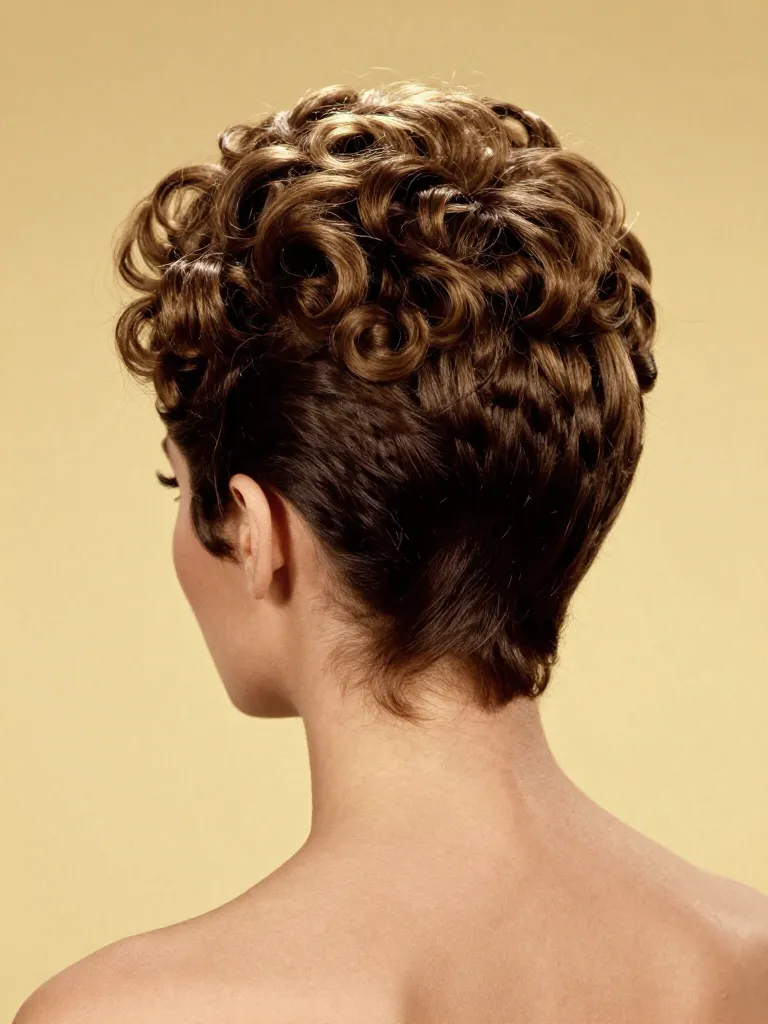
The bouffant is the foundation of most 60s updos. It’s a voluminous style created by backcombing the crown and smoothing the top layer over the teased foundation. The technique: section off the crown area (from temple to temple), backcomb each section at the root by brushing downward toward the scalp, then smooth the top layer over the teased base using a soft brush. Pin the sides back or leave them down. The bouffant should be 2-3 inches of height at the crown — enough to add drama without looking like a cartoon. This is the base for beehives, half-up styles, and most 60s formal looks.
Timing: 5 minutes
Prerequisites: Rat-tail comb, Soft bristle brush, Bobby pins
Step 2: The Mod Bob
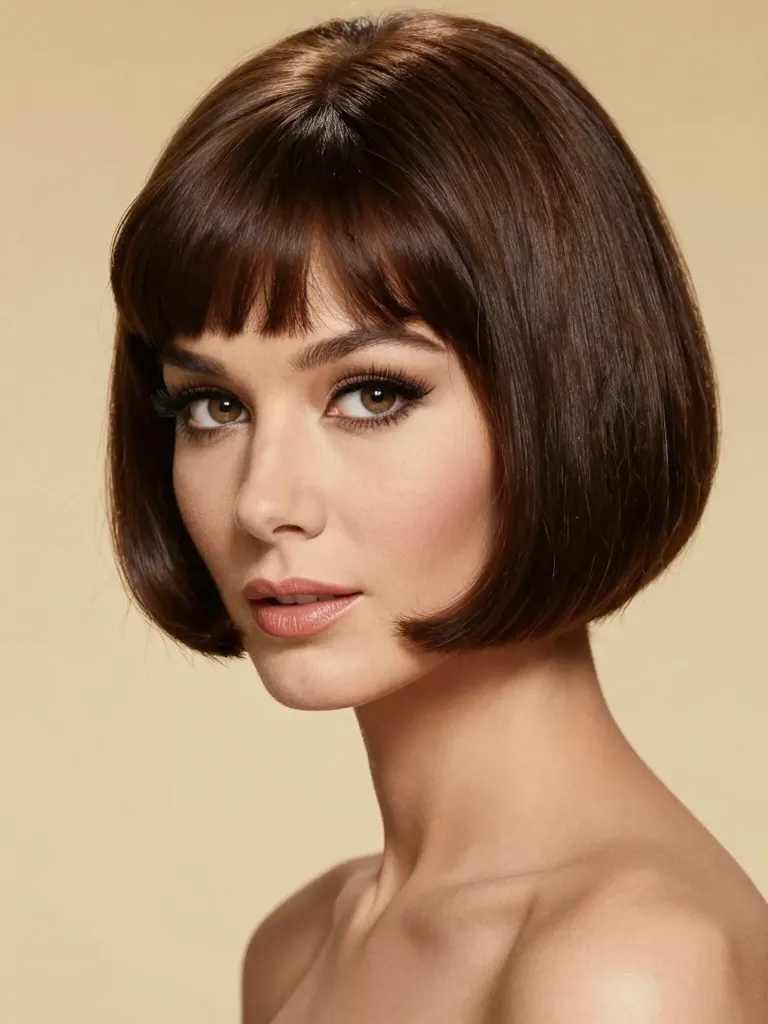
The mod bob is the haircut that defined the 1960s — sharp, geometric, and deliberately minimal. The hair is cut to ear length with blunt ends (no layers, no texture). It’s worn straight and glossy, often with a deep side part or center part. The mod bob works because it’s the opposite of the bouffant — instead of volume, it’s about precision. To style: blow-dry straight using a paddle brush, then flat-iron for a glass-like finish. Apply a shine serum for gloss. The key is the cut — it must be blunt. A layered bob is not a mod bob. A textured bob is not a mod bob. The mod bob is about geometry: one length, one line, zero compromise.
Timing: 10 minutes
Prerequisites: Flat iron, Paddle brush, Shine serum
Step 3: The Beehive
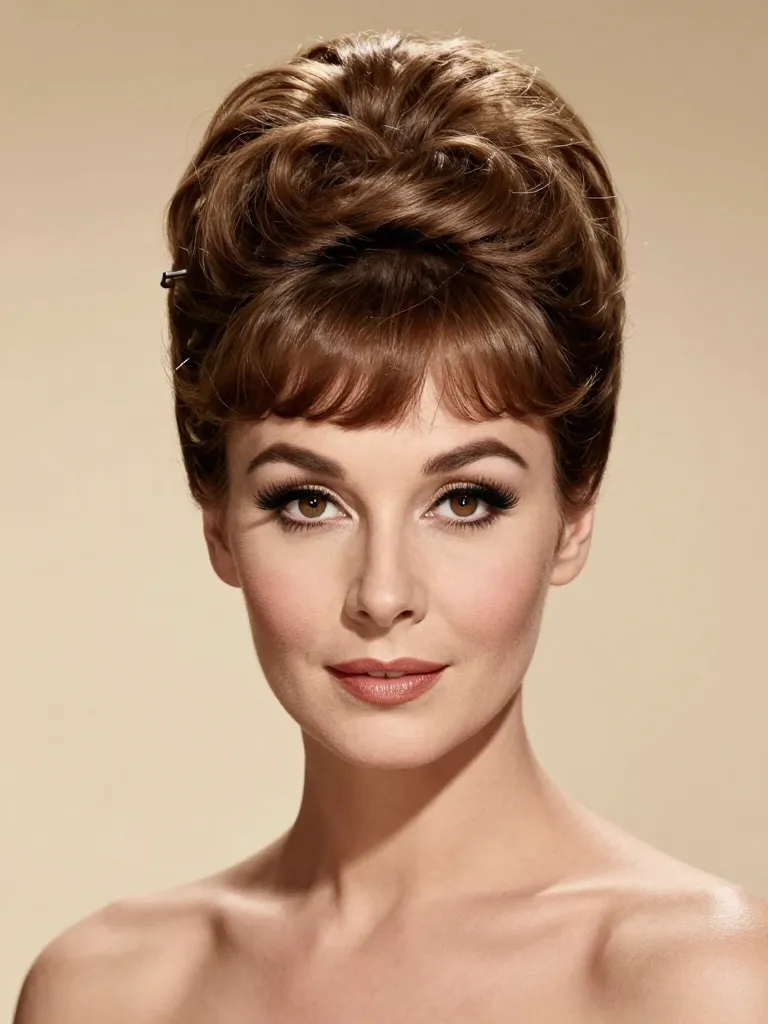
The beehive is the bouffant’s more ambitious cousin — the same backcombing technique, but higher, rounder, and more structured. The hair is backcombed into a dome shape at the crown, then the top layer is smoothed over and pinned. The sides can be pinned back, left down, or curled. The beehive should be 4-6 inches of height — it’s supposed to be dramatic. The key to a good beehive is the foundation: you need a hair rat (a mesh form) or serious backcombing to create the structure. Without it, the beehive collapses within an hour. Modern interpretation: use a volumizing hair donut at the crown, backcomb over it, and smooth. Less commitment, same silhouette.
Timing: 15 minutes
Prerequisites: Hair rat or volumizing donut, Rat-tail comb, Hairspray
Step 4: Hippie Waves
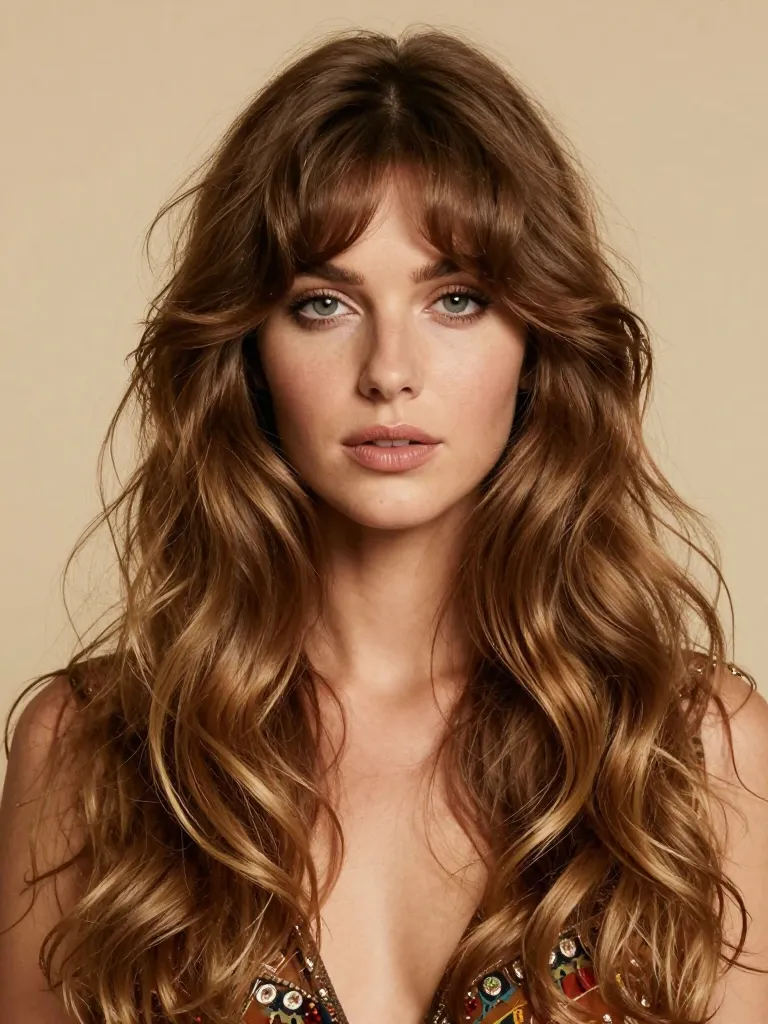
The hippie wave is the anti-bouffant — the 1960s counterculture’s rejection of structured, hairsprayed hair. Long, loose, natural waves worn with a center part. No backcombing, no structure, no product. The technique: wash the hair, apply a leave-in conditioner, and let it air-dry. For more defined waves, braid the hair while damp and sleep on it — unravel in the morning for loose, bohemian waves. The hippie wave works because it’s the opposite of everything the 60s mainstream stood for — it’s natural, effortless, and deliberately unstyled. Modern interpretation: use a sea salt spray for texture, scrunch while drying, and don’t touch it with a brush.
Timing: 5 minutes (plus overnight drying)
Prerequisites: Sea salt spray, Leave-in conditioner
Step 5: The Flip
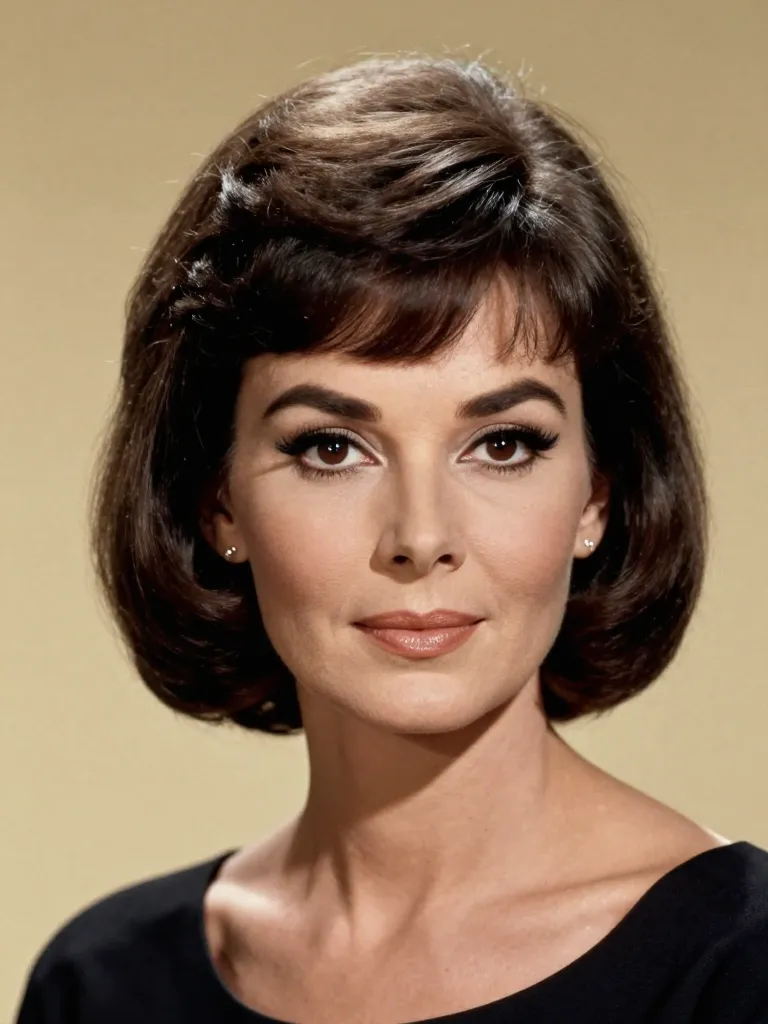
The flip is the most wearable 60s hairstyle — shoulder-length hair with the ends flipped outward. It’s the Jackie Kennedy look: polished, elegant, and impossibly chic. The technique: blow-dry the hair with a round brush, curling the ends outward as you dry. The flip should start at chin level — the top is straight, the ends curve out. Use a medium-barrel round brush and a blow dryer with a concentrator nozzle. The key is consistency: every section should flip at the same point. A lopsided flip looks like a mistake. A consistent flip looks like 1962.
Timing: 10 minutes
Prerequisites: Round brush (medium barrel), Blow dryer with concentrator
Safety Warnings
- Excessive backcombing can cause breakage — limit backcombing to special occasions and always detangle gently with conditioner afterward.
Why This Works
The 1960s understood something modern styling often forgets: structure and texture are two different tools. The bouffant and beehive use structure (backcombing, pinning) to create volume. The hippie wave and mod bob use texture (natural waves, blunt cuts) to create impact. The flip uses both. These five techniques cover every styling need — formal, casual, minimal, maximal — and they were all perfected over 60 years ago.
Pro Tips
The 1960s was the decade that proved hair could be art, rebellion, and politics — all at the same time. The bouffant said ‘I’m polished.’ The beehive said ‘I’m dramatic.’ The mod bob said ‘I’m modern.’ The hippie wave said ‘I don’t care.’ And the flip said ‘I’m Jackie Kennedy.’ These five techniques cover the entire spectrum of styling, and every single one was perfected before the moon landing. The 60s didn’t just break the rules — they wrote new ones that we’re still following.
One decade. Five techniques. Sixty years of influence. ✂️