Greasy Hair Hairstyles for Short Hair: 5 Styles That Hide the Shine
Your hair isn’t dirty — it’s pre-styled. Here’s how to make day-three hair look like a deliberate aesthetic choice.
Greasy short hair is a different problem than greasy long hair. With long hair, you can throw it in a bun and forget about it. With short hair, the bun doesn’t exist — every strand is on display, and the oil has nowhere to hide. But here’s the thing: greasy hair hairstyles for short hair aren’t about hiding the grease. They’re about reframing it. Slicked-back styles, textured looks with dry shampoo, and accessories that redirect attention — these are the tools that turn ‘I didn’t wash my hair’ into ‘I styled it this way on purpose.’
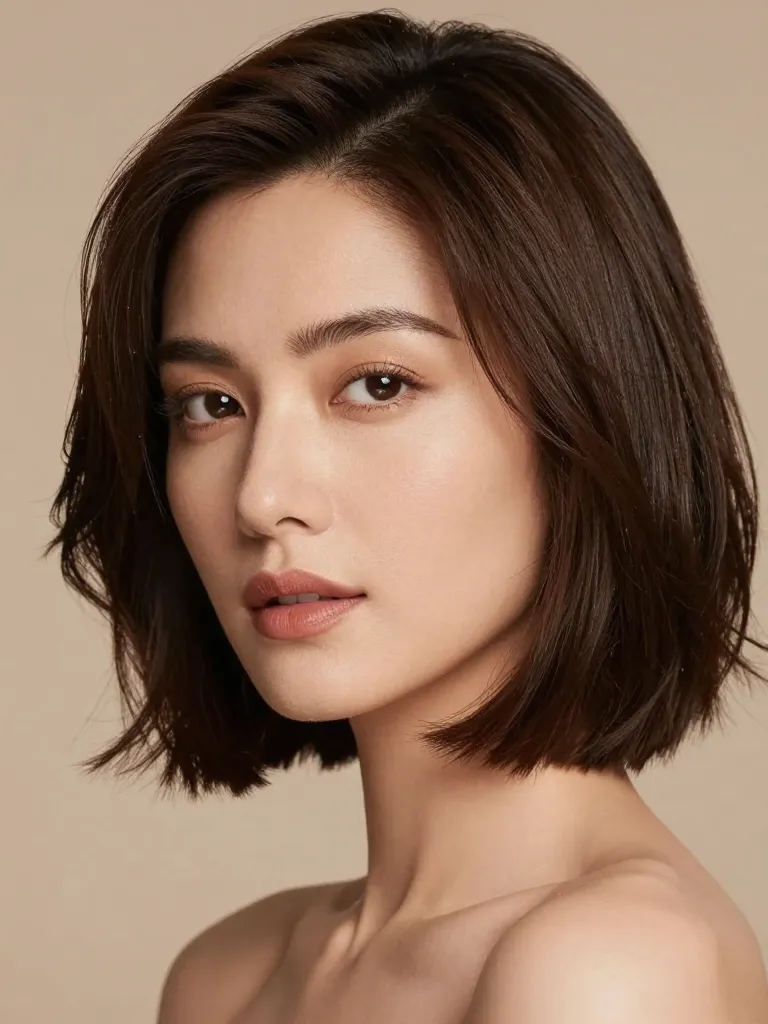
Step 1: The Dry Shampoo Reset
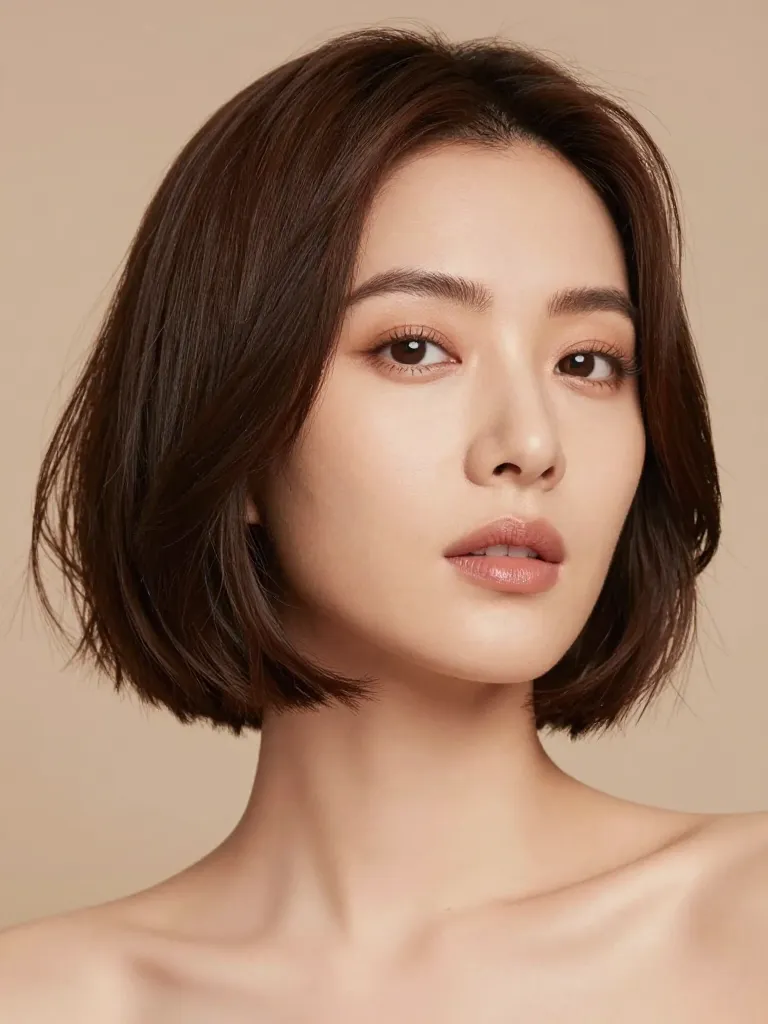
This is the foundation of every greasy hair hairstyle for short hair. Flip your head upside down and spray dry shampoo directly at the roots — section by section, not just the top. Wait 30 seconds for the powder to absorb the oil, then massage with your fingertips like you’re shampooing. Flip back up and brush through with a boar bristle brush to distribute the product. The result: matte, volumized roots that look freshly washed. This takes 3 minutes and transforms every style that follows.
Prerequisites:
- Dry shampoo (tinted if you have dark hair)
- Boar bristle brush
Step 2: The Full Slick-Back
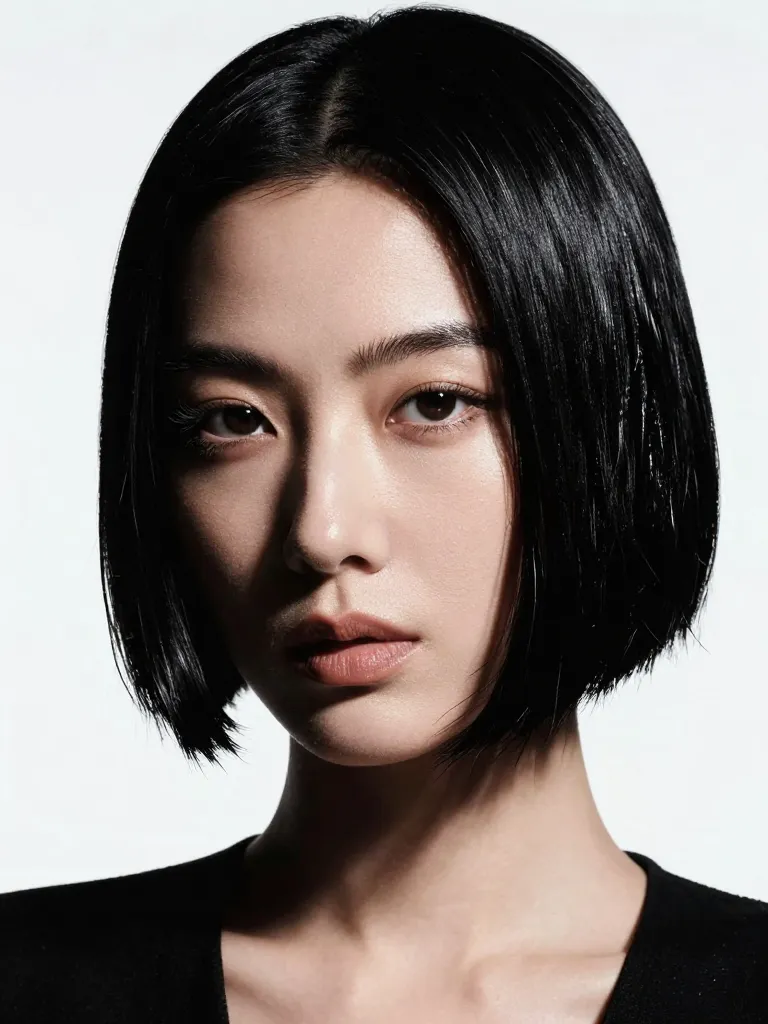
If your hair is greasy, lean into it. Apply gel or pomade generously through your hair and comb everything backward — away from the face. The wet-look slick-back is a legitimate editorial hairstyle that happens to work perfectly on greasy hair because the natural oil adds to the wet effect. Use a fine-tooth comb for a sleek finish, or your fingers for a more undone version. The key is committing fully — half-slicked looks like you gave up. Fully slicked looks like a fashion statement.
Prerequisites:
- Strong-hold gel or pomade
- Fine-tooth comb
Step 3: The Deep Side Part with Volume
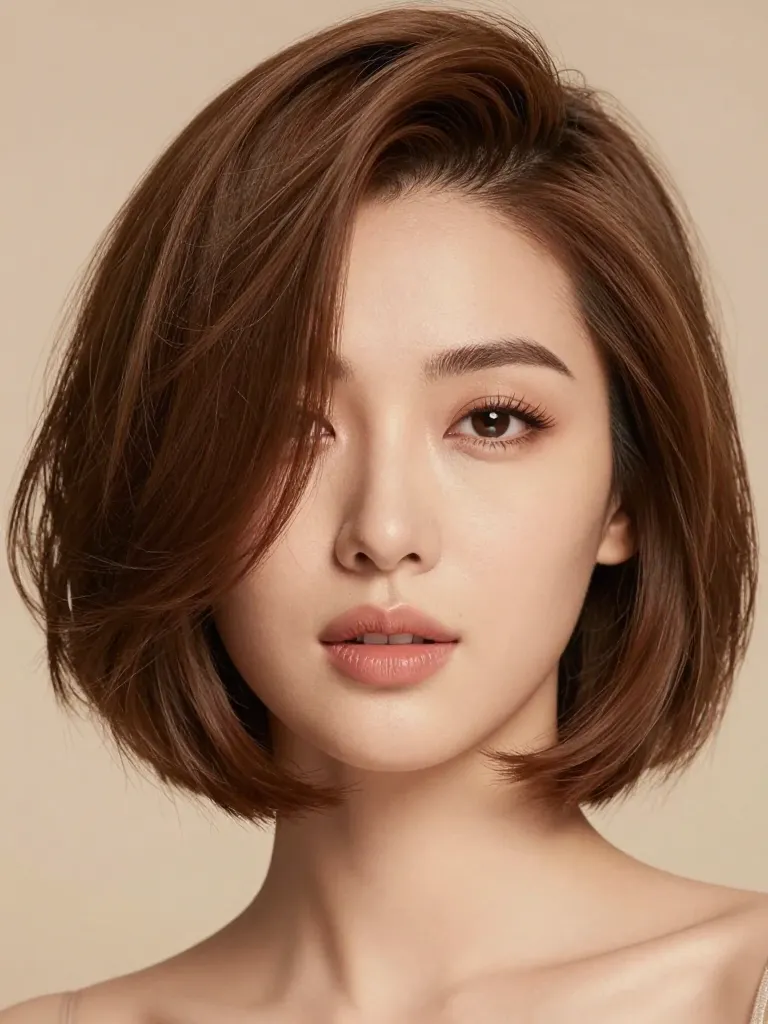
A deep side part redistributes the visual weight of greasy hair. Part your hair as deep as possible — use the arch of your eyebrow as your guide. The heavy side gets swept over the forehead, creating volume that distracts from root oiliness. The light side gets tucked behind the ear. Apply dry shampoo to the roots of the heavy side and blow-dry upward for lift. The asymmetry of this style draws the eye to the part and the sweep, not the roots.
Prerequisites:
- Dry shampoo
- Blow dryer
- Comb
Step 4: The Textured Crop with Product
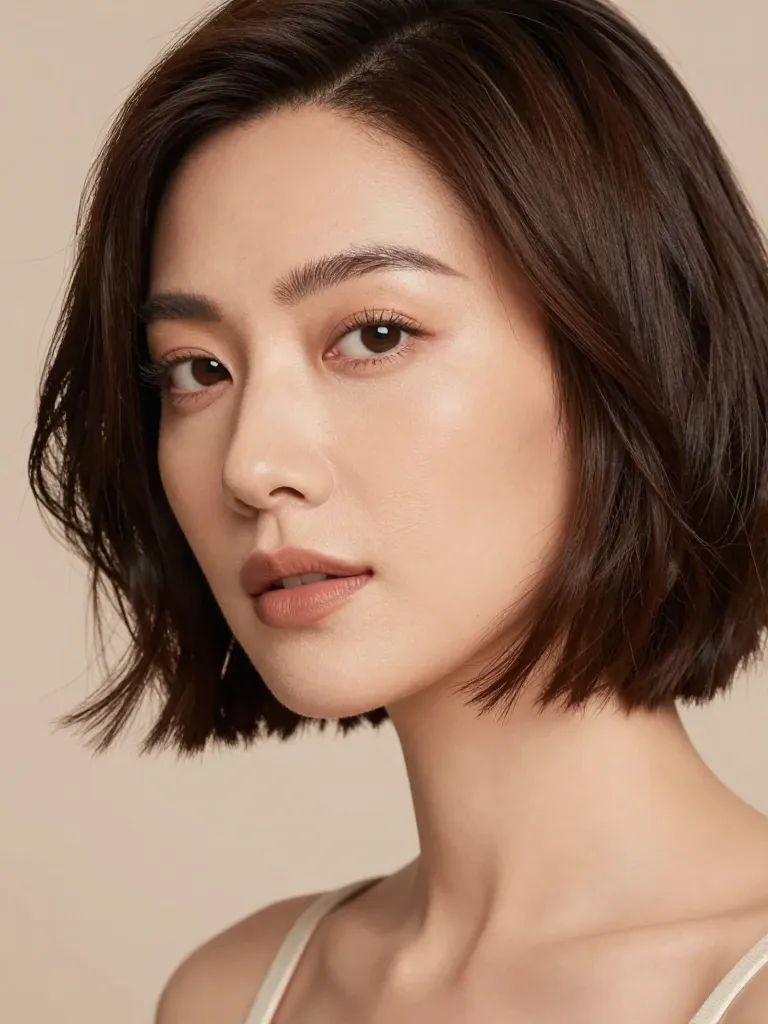
Greasy hair has natural separation that you can exploit. Instead of fighting the oil, use a matte clay or paste to create intentional piece-y texture. Rub a small amount between your palms, then work through your hair from mid-lengths to ends, pulling sections apart. The oil at the roots provides grip, and the matte product at the ends provides definition. The result is a textured crop that looks deliberately styled, not accidentally unwashed.
Prerequisites:
- Matte clay or paste (not wax — too heavy for greasy hair)
Step 5: The Accessory Distraction
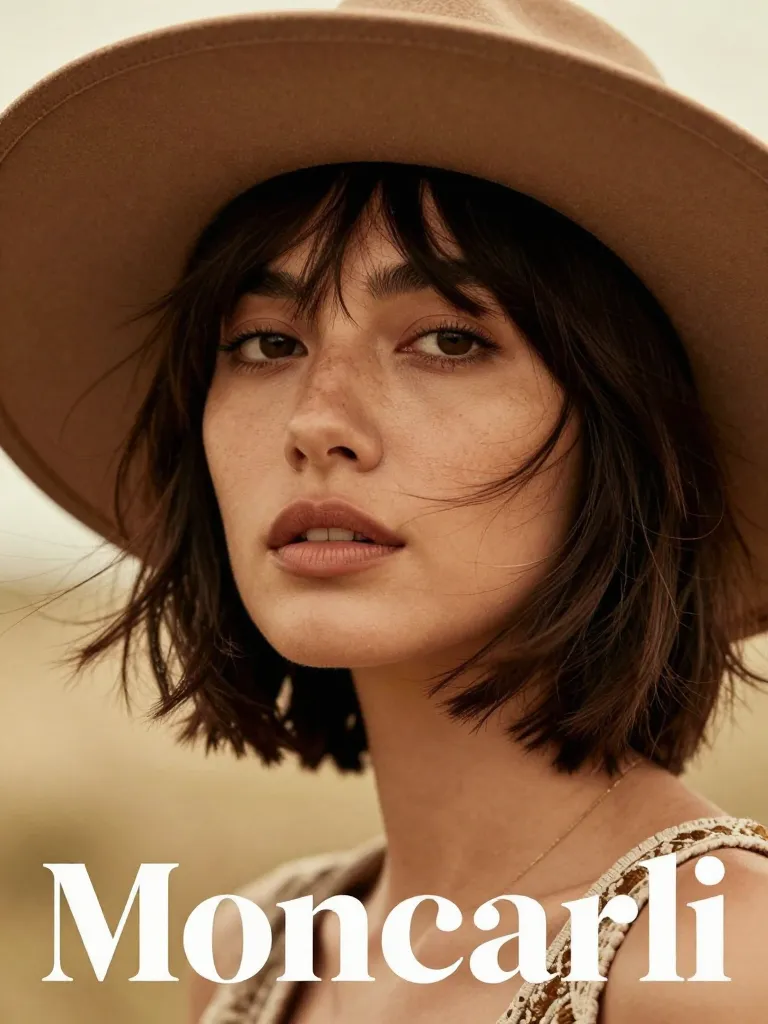
When all else fails, accessorize. A hat, headband, or scarf covers the oiliest part of your hair (the crown and roots) while adding visual interest that distracts from what’s underneath. A wide-brimmed hat covers everything. A silk scarf tied headband-style covers the crown. A thick fabric headband pushes the greasy front section back. The accessory becomes the hairstyle — nobody’s looking at your roots when there’s a statement hat on your head.
Prerequisites:
- Hat, headband, or scarf
Safety Warnings
- Don’t layer dry shampoo on top of previous applications without brushing through — buildup creates white flakes and clogs follicles
Pro Tips
- Prevent rather than rescue: Apply dry shampoo to clean hair as a preventative measure — it absorbs oil as it’s produced, extending your wash cycle by a full day.
- Know your oil pattern: Most people get greasiest at the crown and around the ears. Target dry shampoo to these areas rather than applying it all over.
- Embrace the cycle: Day one hair is clean but hard to style. Day two is the sweet spot. Day three needs intervention. Day four is slick-back territory. Knowing where you are in the cycle helps you choose the right style.
Greasy short hair isn’t a problem to solve — it’s a texture to work with. The styles above treat natural oil as a styling asset rather than something to hide, and the result is hair that looks intentional on every day of your wash cycle.
Dirty hair, clean style. That’s the whole philosophy.