Oval Face Haircut: How to Choose and Ask for the Right Cut
The oval face can wear almost anything. Here’s how to pick the one that’s actually right for you.
Having an oval face is like having a blank canvas — it accepts almost any haircut without looking distorted. But ‘almost any’ isn’t the same as ‘the right one.’ The difference between a haircut that looks good on an oval face and one that looks like it was designed for your oval face comes down to three decisions: length ratio, texture type, and maintenance level. This guide walks you through each one so you walk into the barbershop knowing exactly what to ask for.
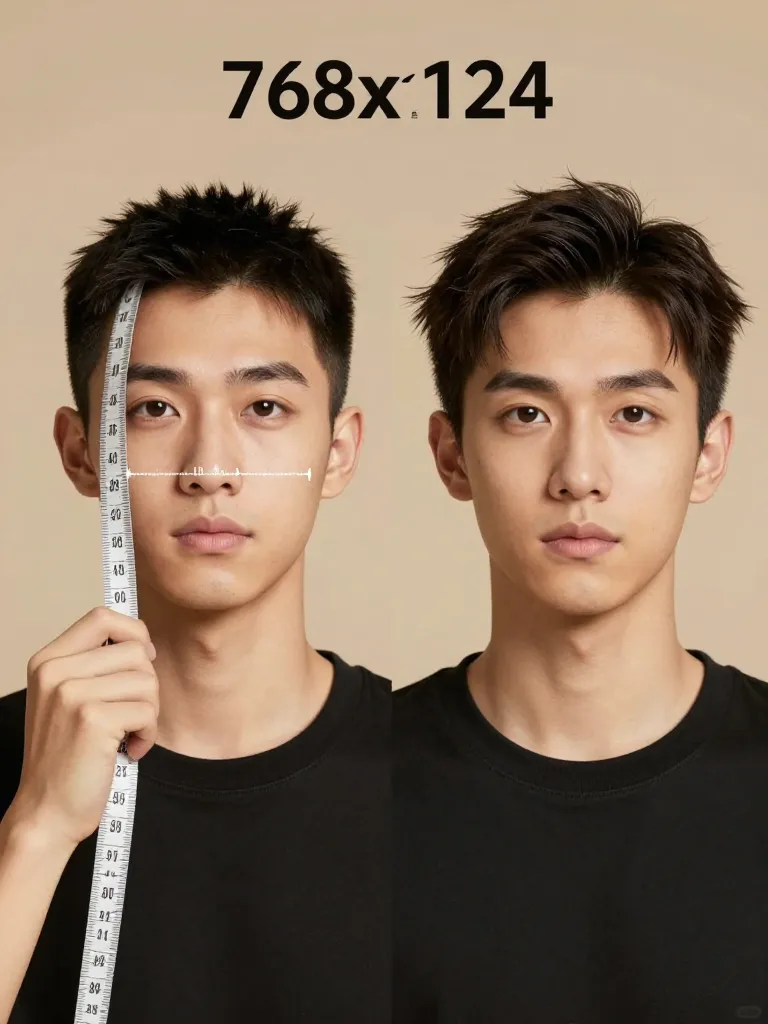
Step 1: Determine Your Length Ratio
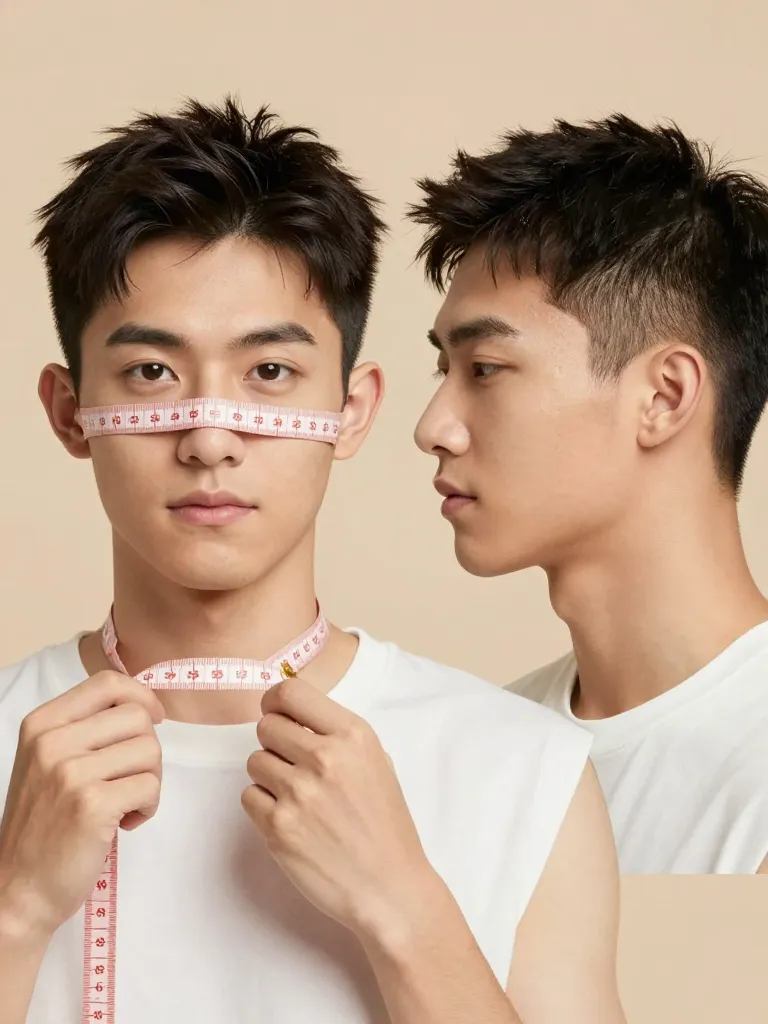
Before choosing a haircut, you need to know your face’s length-to-width ratio. Stand in front of a mirror and measure two things: the distance from your hairline to your chin (length), and the distance across your cheekbones at the widest point (width). Divide length by width. If the result is between 1.4 and 1.6, you have a textbook oval — any haircut works. If it’s below 1.4, your face is on the wider side of oval — avoid cuts that add width at the temples (undercuts with volume on top can work, but wide crops won’t). If it’s above 1.6, your face is on the longer side of oval — avoid cuts with extreme height on top and consider styles with fringe to break the vertical line.
Timing: 3 minutes
Step 2: Match Cut to Hair Texture
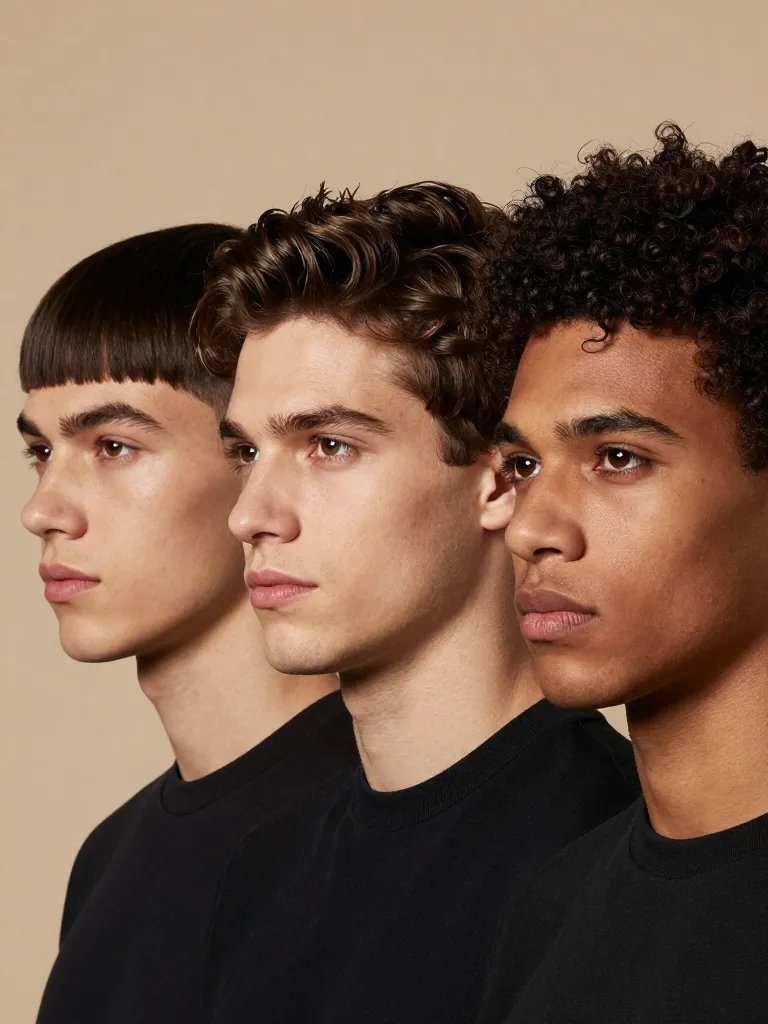
Your hair texture determines what cuts are actually achievable — not just what looks good in photos. Straight hair holds clean lines and geometric shapes: French crops, Ivy Leagues, and slick backs all work because the hair lays flat and stays where you put it. Wavy hair has natural movement that makes textured crops and quiffs look effortless — the wave does the styling work for you. Curly hair has volume and dimension that makes tapered cuts and shaped afros look architectural — the curl pattern creates texture that straight-haired guys need product to fake. For oval faces, the texture-to-cut match is more important than the face-shape match. A French crop on curly hair won’t look like a French crop — it’ll look like a mess. A slick back on fine, straight hair won’t look architectural — it’ll look flat.
Timing: 5 minutes
Step 3: Choose Your Maintenance Level
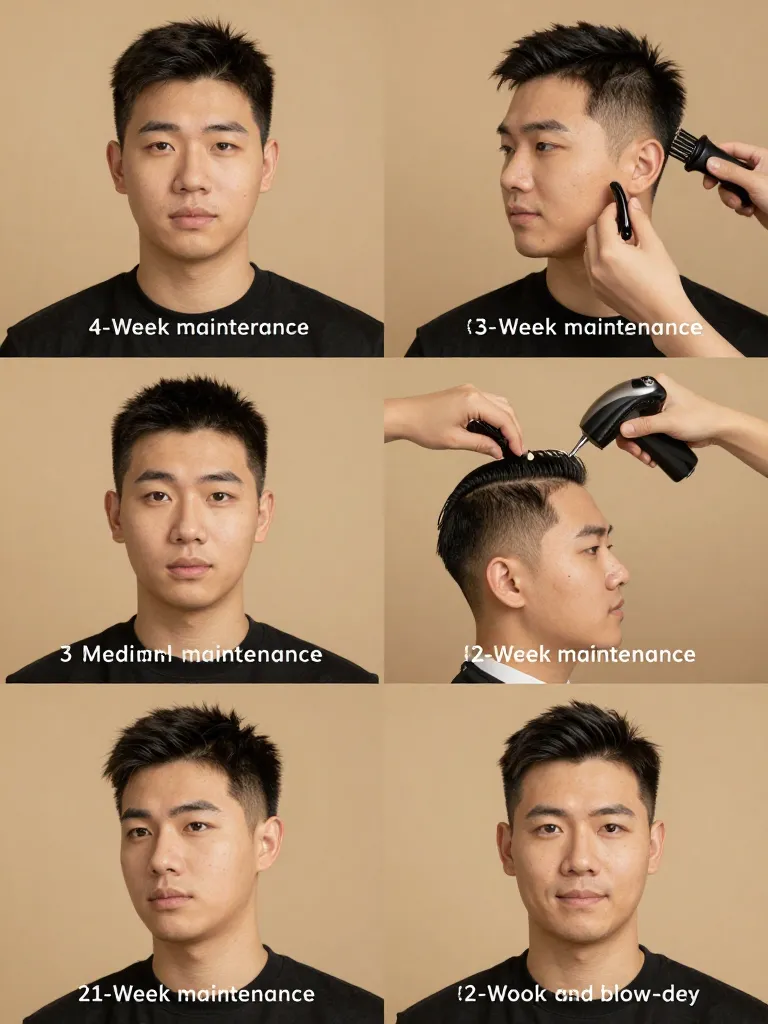
Be honest about how much time you’ll actually spend on your hair. A slick back undercut looks incredible — for the 30% of guys who’ll actually use pomade every morning and get re-faded every two weeks. The other 70% will look great for three days and then revert to pushing it back with water. Low maintenance: cuts that look good with minimal product and 4-6 week trim cycles (Ivy League, French crop, crew cut). Medium maintenance: cuts that need daily product and 3-week trim cycles (textured crop, quiff, side part). High maintenance: cuts that need daily blow-drying, product, and 2-week trim cycles (slick back, pompadour, undercut). For oval faces, the maintenance choice is purely about lifestyle — your face shape doesn’t require any specific maintenance level to look balanced.
Timing: 2 minutes
Step 4: Communicate with Your Barber
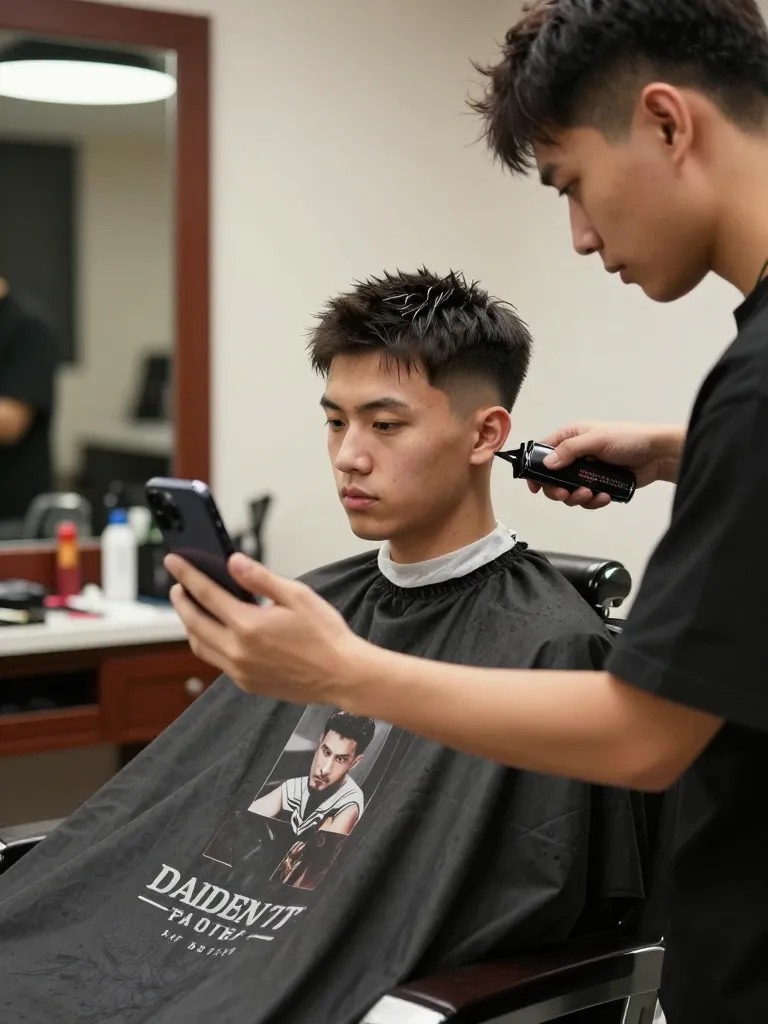
The barbershop conversation is where most haircuts go wrong. ‘Just do whatever looks good’ is the worst instruction you can give — it puts the decision on someone who doesn’t know your lifestyle, your texture, or your maintenance tolerance. Instead, give three specific pieces of information: the cut name (e.g., ‘textured crop with mid fade’), the length on top (in inches, not ‘a little shorter’), and the fade level (skin, #1, #2, etc.). Show a reference photo from someone with your hair texture — not just your face shape. And tell your barber one thing you don’t want: ‘I don’t want it too short on the sides’ or ‘I don’t want a hard part.’ This negative instruction is more useful than any positive one because it eliminates the barber’s default assumptions.
Timing: 5 minutes
Step 5: Verify Before You Leave
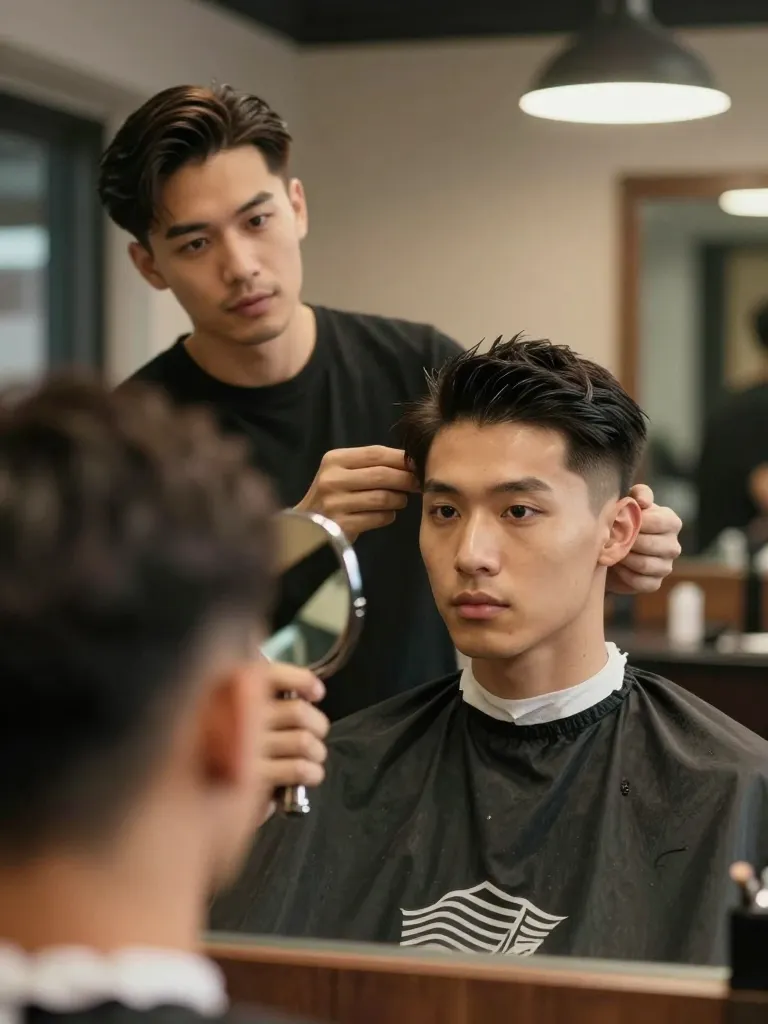
Before you stand up from the chair, check three things: the symmetry (are both sides even when you look straight ahead?), the blend (is the fade seamless or can you see a line?), and the length (is the top the length you asked for, or did the barber take an extra inch?). If anything is off, say something immediately — a barber can fix wet hair in 30 seconds, but once you leave and the hair dries, you’re stuck with it for weeks. For oval faces, symmetry is especially important because the balanced proportions make any asymmetry more visible. A half-inch difference in side length that would be invisible on an angular face is obvious on an oval.
Timing: 2 minutes
Safety Warnings
- If you have any scalp conditions (psoriasis, eczema, folliculitis), tell your barber before the cut. Some techniques can irritate sensitive scalps.
Getting the right haircut for an oval face isn’t about face shape correction — it’s about making deliberate choices. By measuring your ratio, matching cut to texture, choosing your maintenance level, communicating specifically, and verifying the result, you turn a genetic advantage into a deliberate aesthetic decision.
Pro Tips
The oval face gives you more haircut options than any other face shape. But options without direction lead to default haircuts. By following these five steps, you go from ‘whatever looks good’ to ‘this is exactly what I want.’ Your face shape already did the hard work. Now tell your barber what to build on it.
Walk into the barbershop with a plan, not a prayer.