Side Fringe: 4 Architectural Approaches to the Asymmetric Forehead
Not a compromise. A deliberate design choice that changes the geometry of your face.
The side fringe is the most underrated structural element in hairstyling. It’s not ‘growing out your bangs’ or ‘covering your forehead because you don’t like it.’ A side fringe is a diagonal line that cuts across your face — and that diagonal changes everything. It creates asymmetry (which the eye reads as interesting). It softens angular features (which makes hard jawlines look intentional rather than harsh). And it adds movement to static hair (which makes even flat hair look like it has a direction). The side fringe has been dismissed as a default — something guys do when they can’t decide on a style. But when it’s executed with intention, the side fringe is the most versatile tool in your hair arsenal. Here are four approaches that prove it.

1. The Swept Side Fringe
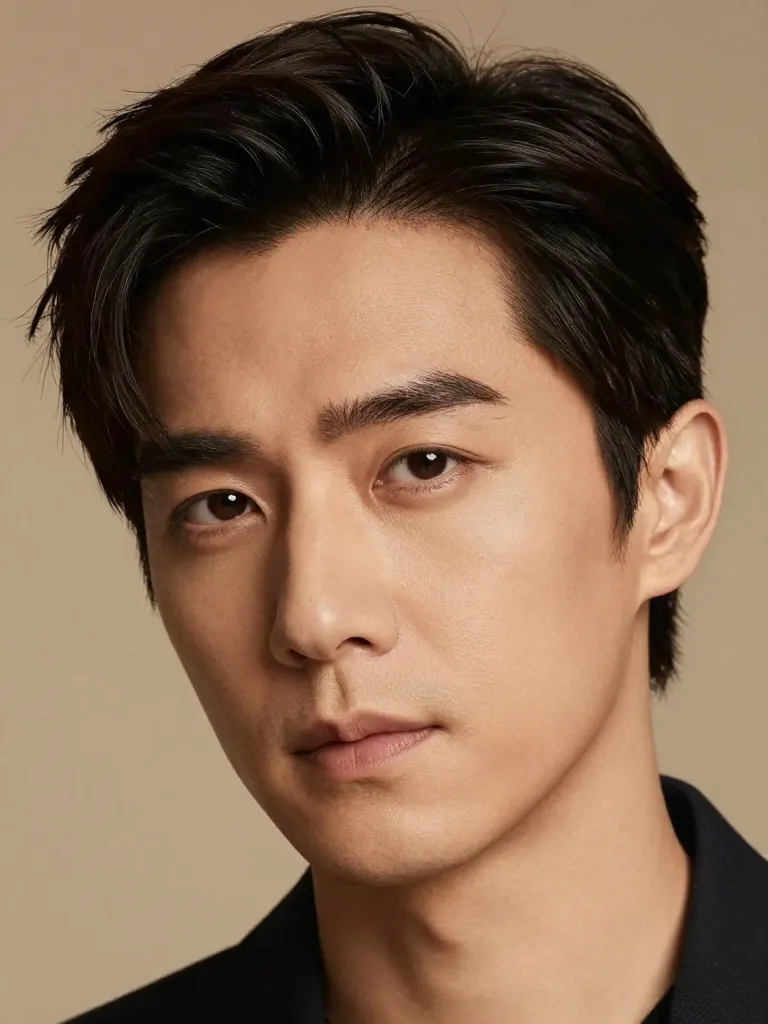
The Swept Side Fringe is the classic — the one that every hairstylist defaults to when they don’t know what else to do. And there’s a reason it’s the default: it’s universally flattering. The hair is parted to one side and swept across the forehead at a diagonal, ending at or just past the eyebrow. The sweep can be tight (close to the head, minimal volume) or loose (with lift at the roots and movement at the ends). The key is the diagonal line — it breaks the symmetry of the face, which makes every face shape look more angular and defined. This works with almost any hair type and length, from 3 inches to 8 inches on top. Daily styling is minimal: blow-dry in the direction of the sweep, apply a light pomade, and go.
2. The Textured Side Fringe
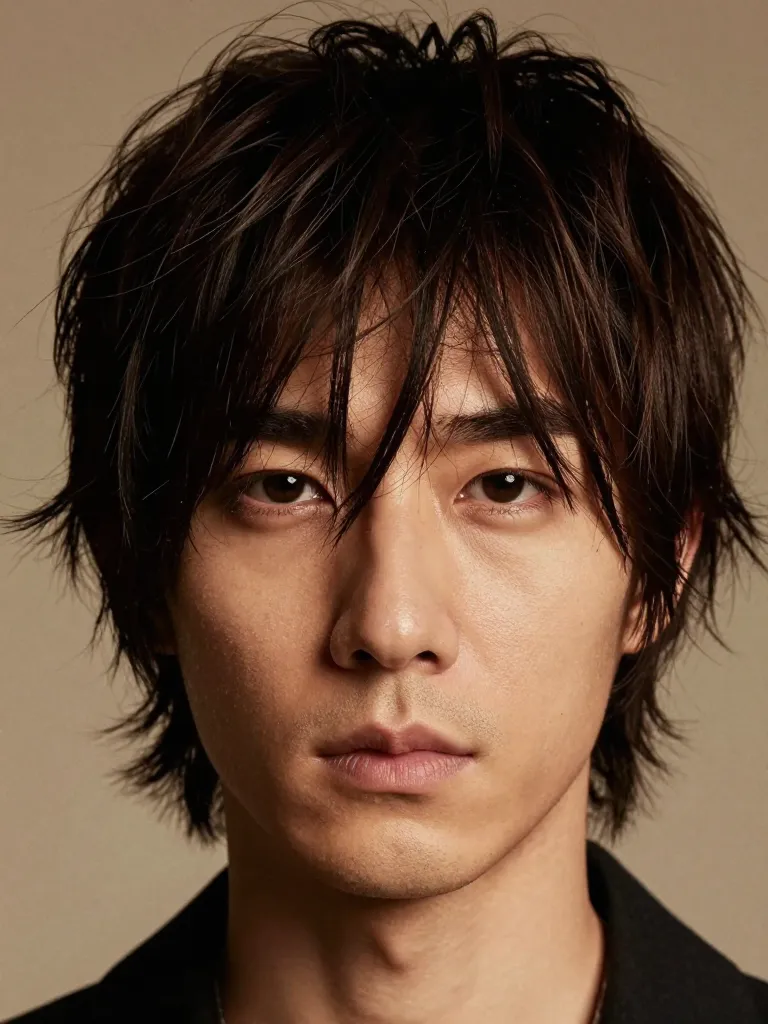
The Textured Side Fringe is the Swept Side Fringe’s rebellious sibling. Instead of a smooth, clean sweep, the textured version uses point-cutting, layering, and product to create a choppy, piecey fringe that looks like it fell naturally. The texture comes from removing weight — the fringe is thinned out with texturizing shears or a razor, so individual strands separate and move independently. This creates a fringe that has depth: you can see through the layers to the forehead underneath, which gives it dimension that a blunt fringe doesn’t have. The textured side fringe works particularly well on thick, straight to wavy hair — hair that’s too heavy for a smooth sweep often looks better textured. Daily styling: work a matte clay through damp hair, scrunch and separate with fingers, and let it air-dry or blow-dry with a diffuser.
3. The Curtain Side Fringe
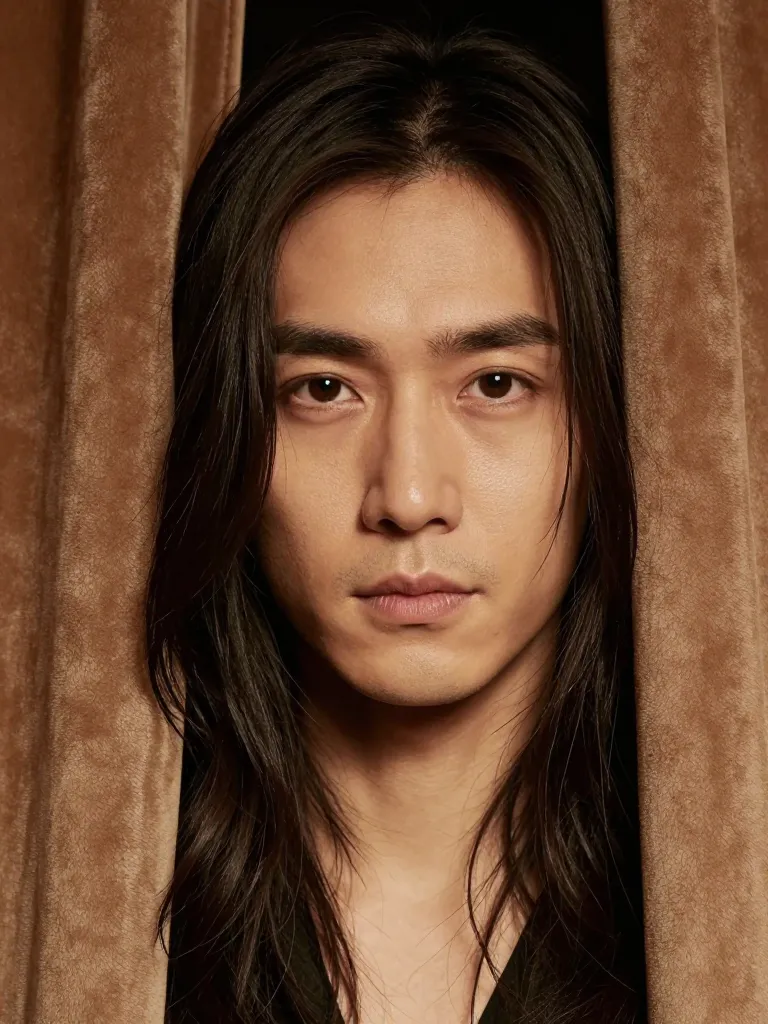
The Curtain Side Fringe is the ultimate ’90s revival style — and it’s back because it works on everyone. The fringe is grown out to 5-7 inches on top and split either at the center or slightly off-center, so it falls to both sides of the face like curtains. This frames the forehead and temples while opening up the center of the face. The curtain fringe requires length — at least 5 inches on top for the split to work naturally. The key is the split point: too far center and it looks like a bowl cut; too far off-center and it’s just a regular side fringe. The sweet spot is about 1/4 inch off-center, which creates a subtle asymmetry that reads as intentional. Daily styling: blow-dry from the center outward, using a round brush to create the curtain shape. A light-hold mousse adds volume at the roots.
4. The Disconnected Side Fringe
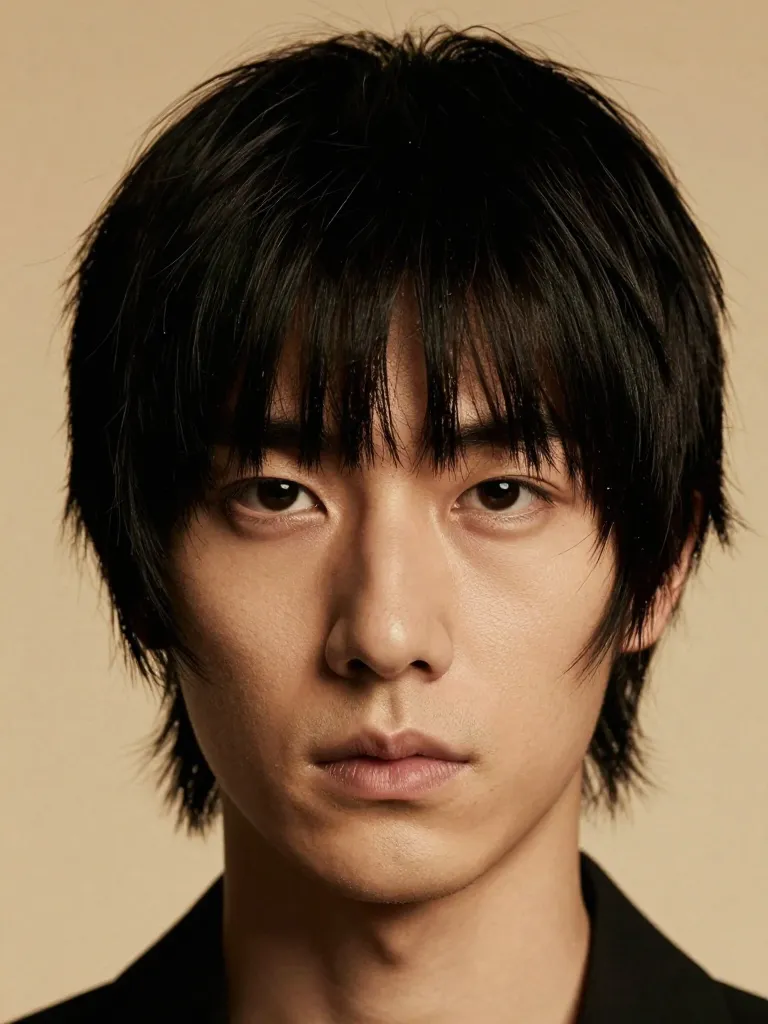
The Disconnected Side Fringe is the most architectural approach. Instead of blending the fringe into the rest of the hair, the disconnected version creates a visible line of separation — the fringe is cut blunt at an angle, and the hair behind it is either shorter, longer, or a different texture. This creates a two-level structure: the fringe as a distinct element, and the rest of the hair as a separate element. The disconnect can be subtle (a slight length difference) or dramatic (the fringe is 3 inches while the back is buzzed). This style requires a barber or stylist who understands geometric cutting — the angle of the fringe, the point of disconnection, and the length gradient all need to be calculated. Maintenance is high: the blunt edge grows out quickly and needs trimming every 3-4 weeks.
Tools & Products
| Item | Purpose | Category |
|---|---|---|
| Blow dryer | Directing fringe into shape | Styling Tools |
| Round brush | Creating volume and direction in the fringe | Styling Tools |
| Matte pomade or clay | Holding the fringe without shine | Styling Products |
| Texturizing shears | Thinning the fringe for texture | Cutting Tools |
| Light-hold spray | Setting the fringe without stiffness | Styling Products |
Related Guides
Short fringe tutorial — How to cut and style a short textured fringe
Fringe cut guide — Step-by-step DIY fringe cutting guide
The side fringe isn’t a default — it’s a diagonal line that changes the geometry of your face. Swept, textured, curtain, or disconnected — each approach creates a different silhouette, a different energy, and a different relationship between your hair and your forehead. Stop growing it out by accident. Start wearing it on purpose.
One diagonal line. Four architectures. Infinite face-lift potential.