How to Choose the Right Shade of Blonde for Your Skin Tone: The Complete Guide
Stop guessing at the salon. Here’s how to match your undertone to the blonde that actually flatters you.
You’ve seen the inspiration photos. You’ve saved the Pinterest boards. You walk into the salon, show your colorist the picture, and walk out looking nothing like it. Not because the colorist is bad — because the shade you picked fights your skin tone. The difference between ‘wow’ and ‘what happened’ isn’t the blonde itself — it’s whether the undertone of the blonde matches the undertone of your skin. Here’s how to figure that out before you sit in the chair.
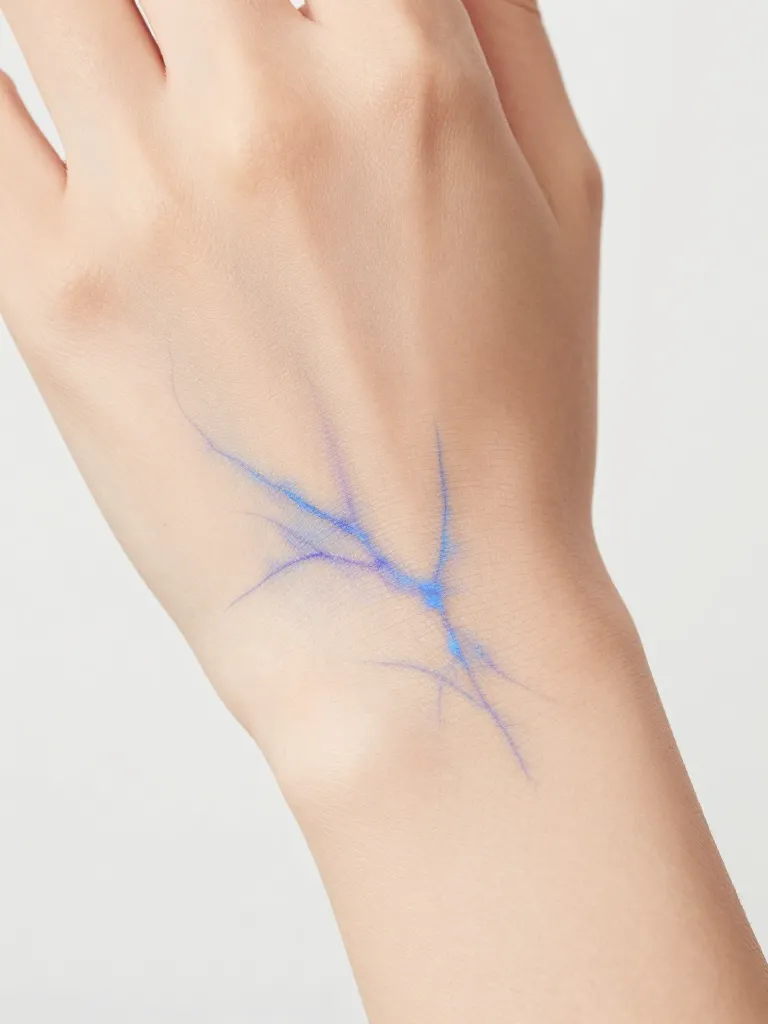
Step 1: Determine Your Skin Undertone
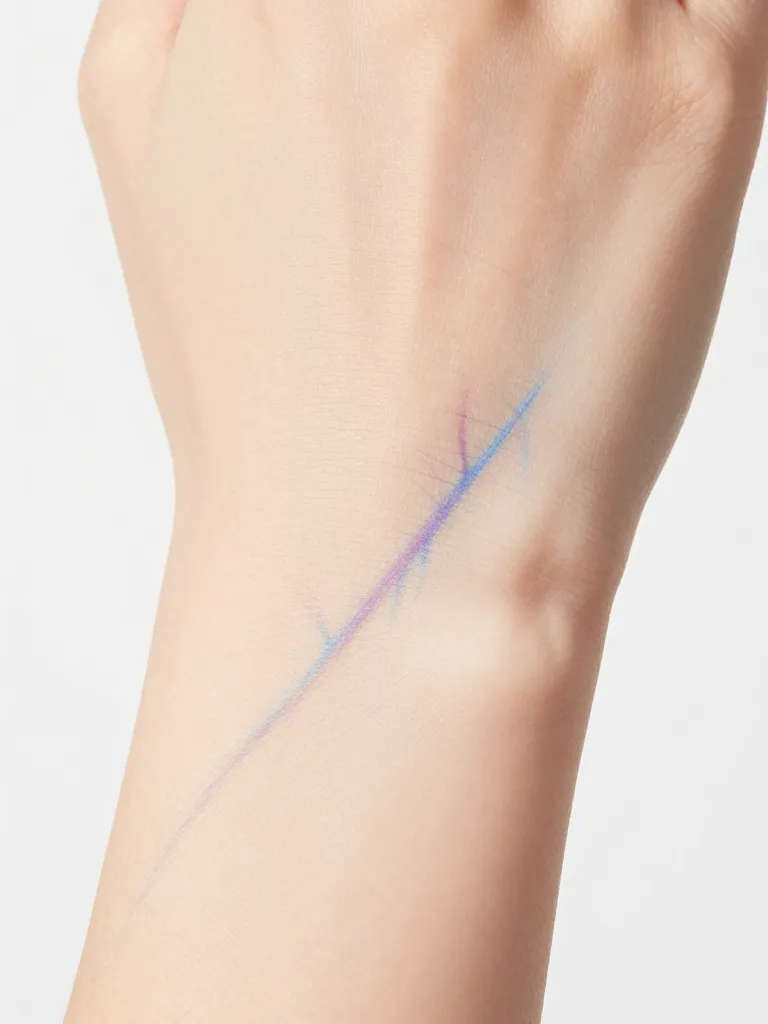
Flip your wrist over and look at your veins in natural light (not bathroom fluorescents — they lie). Blue or purple veins mean cool undertones. Green veins mean warm undertones. A mix of both means neutral. This is the single most important factor in choosing your blonde. Cool undertones need cool blondes (platinum, ash) or they’ll look sallow. Warm undertones need warm blondes (golden, strawberry) or they’ll look washed out. Neutral undertones are the lucky ones — they can wear almost any blonde family without clashing.
2 minutes
Prerequisites: Natural light source
Step 2: Match Undertone to Blonde Family
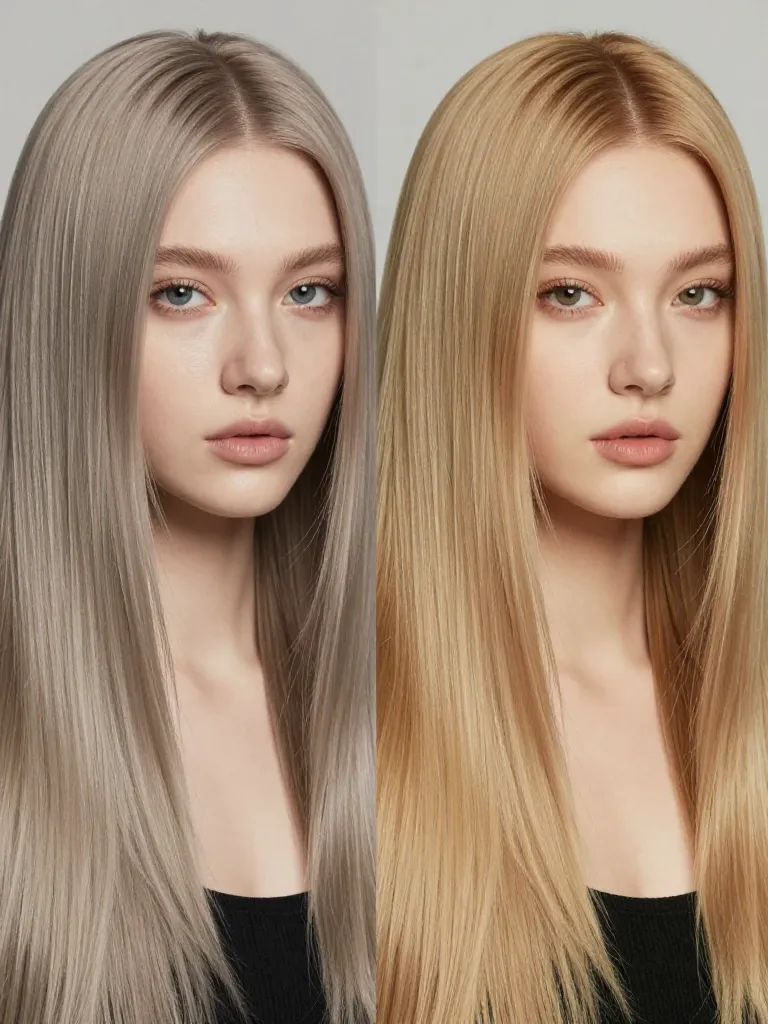
Cool undertones (blue/purple veins) → Platinum or Ash Blonde. These shades have blue, violet, or silver pigments that harmonize with your natural cool coloring. Golden blonde on cool skin reads as brassy and unflattering. Warm undertones (green veins) → Golden or Strawberry Blonde. These shades have yellow, gold, or copper pigments that complement your warmth. Ash blonde on warm skin can look gray and lifeless. Neutral undertones (mixed veins) → You can go either direction, but lean toward the shade that matches your eye color — warm eyes (hazel, amber) get golden, cool eyes (gray, blue) get ash.
5 minutes
Prerequisites: Undertone determined from Step 1
Step 3: Choose Your Level (Lightness)
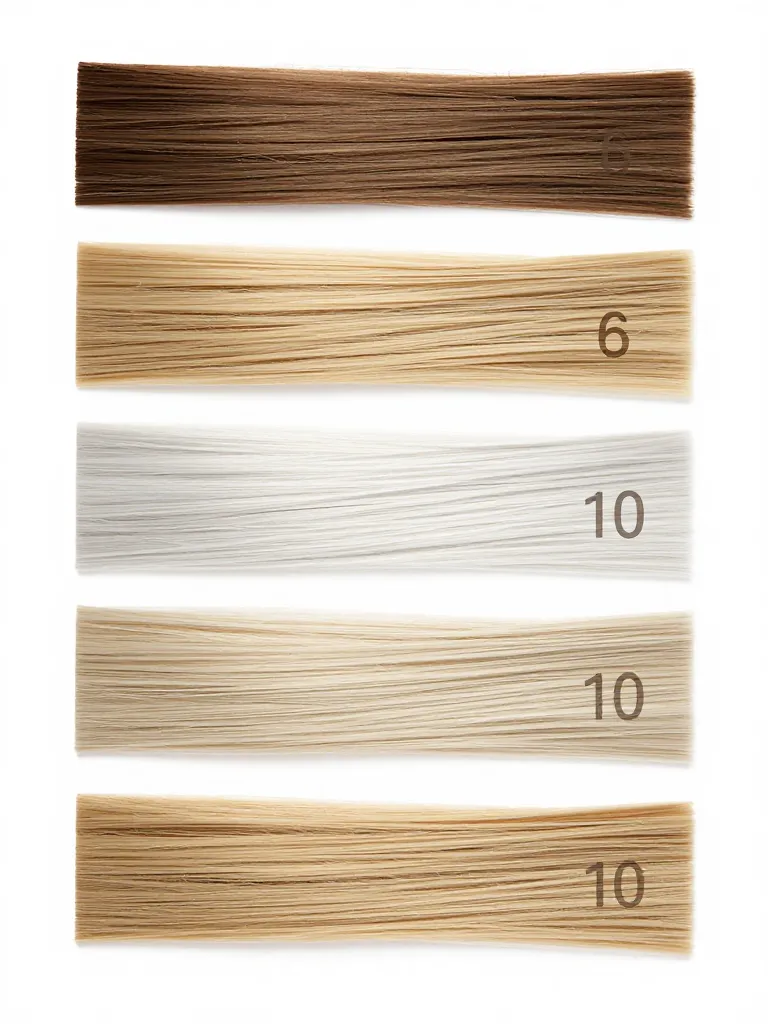
Blonde levels range from 6 (dark blonde) to 10 (platinum). The further you go from your natural level, the more maintenance you’re signing up for. If you’re naturally dark brown (level 3-4), going to platinum (level 10) means six or more levels of lifting — that’s multiple sessions, serious damage potential, and a maintenance schedule that will run your life. A more realistic jump is 2-3 levels: dark brown to caramel, medium brown to golden. This gives you visible blonde without the damage or the appointment addiction. The rule: the bigger the jump, the higher the maintenance, the more damage you’re accepting.
5 minutes
Prerequisites: Know your natural hair level
Step 4: Test Before You Commit
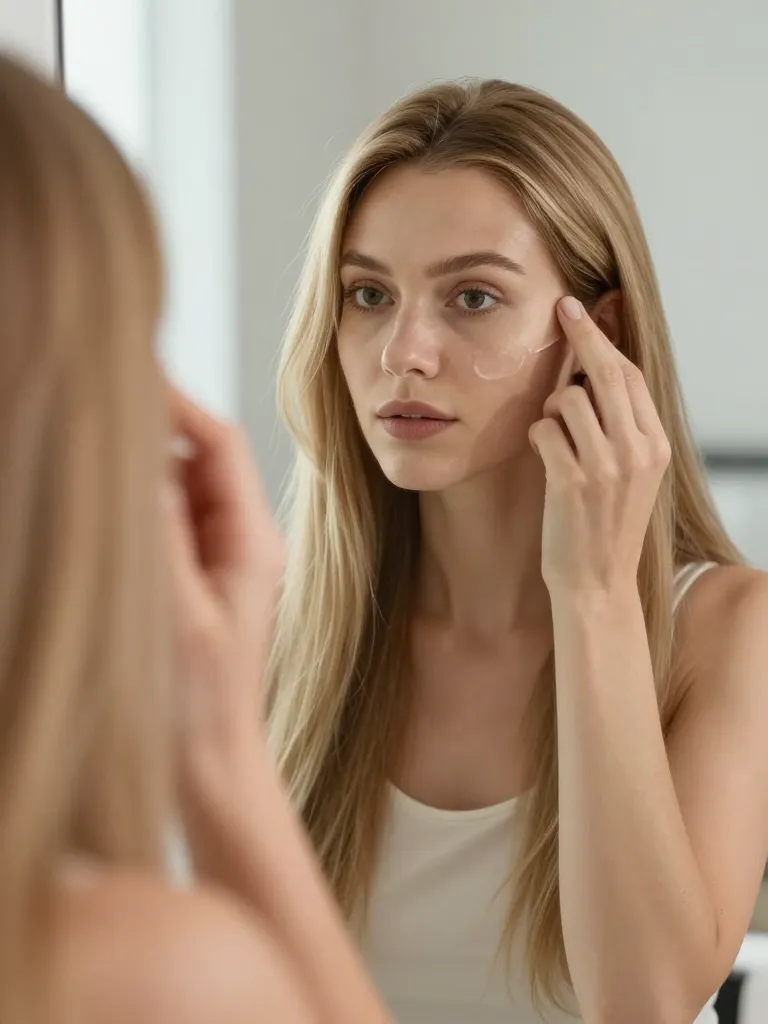
Before you bleach anything, test the shade against your face. The easiest method: buy a cheap wig or hair extension in the shade you’re considering and hold it next to your face in natural light. Does your skin look brighter or sallow? Do your eyes pop or disappear? Does your face look warm or washed out? You can also use a virtual try-on app, but they’re less reliable than physical hair against your skin. The 30 seconds it takes to do this test can save you months of regret and hundreds of dollars in color correction.
5 minutes
Prerequisites: Wig or extension in target shade, Natural light
Step 5: Plan Your Maintenance Before You Color
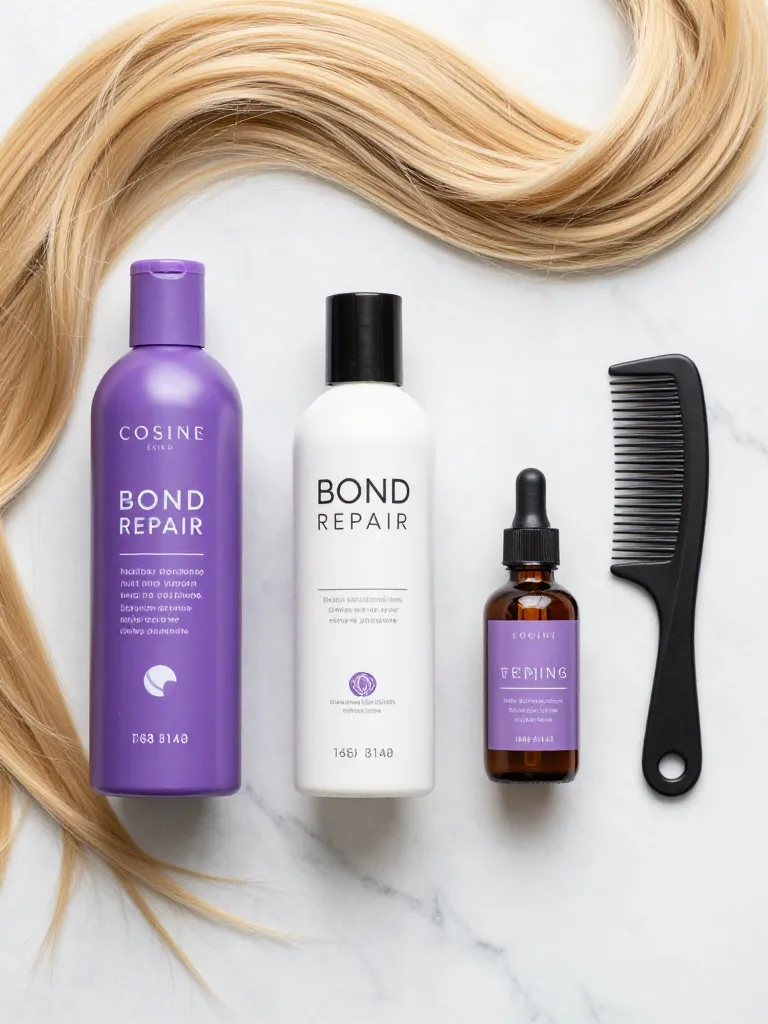
Every blonde shade has a maintenance cost. Before you commit to a shade, honestly assess whether you’ll actually maintain it. Platinum needs purple shampoo, toner every 4-6 weeks, and root touch-ups every 3 weeks. Ash needs cool-toned products and salon visits every 3-4 weeks. Golden is forgiving but still needs toner every 6-8 weeks. Strawberry needs blue shampoo and UV protection. If you know you won’t go to the salon every month, pick a shade that forgives neglect — golden blonde or a balayage that grows out gracefully. The worst blonde is the one you can’t maintain — it turns brassy, patchy, and obvious.
10 minutes
Prerequisites: Shade family chosen from Steps 1-4
Safety Warnings
- Never bleach over previously bleached hair without a professional assessment — overlapping bleach causes breakage and chemical burns.
- If your scalp burns, itches, or feels hot during bleaching, rinse immediately — this isn’t normal and indicates a chemical reaction.
- Do a patch test 48 hours before any color service — allergic reactions to PPD (in permanent color) can be severe.
Tips
Related Guides
Shades of Blonde: 4 Color Families That Define the Spectrum — The complete breakdown of blonde color families and their maintenance profiles.
Choosing the right blonde isn’t about trends or celebrity photos — it’s about understanding your own undertone and picking the shade family that works with it, not against it. Get that foundation right, and every specific shade within that family will flatter you. Get it wrong, and no amount of toner will fix it.
Check your veins. Pick your family. Book the consultation. The right blonde is waiting — you just have to know which one it is.