Hairstyles for Locs for Women: 5 Architectural Approaches to Locked Hair
Locs aren’t a limitation. They’re a building material.
Women’s locs are the most underutilized styling canvas in the natural hair world. Loose hair can be curled, straightened, braided, and pinned — but it can’t be sculpted into three-dimensional shapes, suspended against gravity, or woven into self-supporting structures. Locs can. Each loc is a flexible column that can be bent, wrapped, twisted, and pinned into configurations that loose hair physically cannot achieve. The problem isn’t lack of options — it’s that most loc styling guides recycle the same five updos. Here are five approaches that treat locs as what they are: an engineered material system with unlimited structural potential.
Step 1: The Sculptural Updo
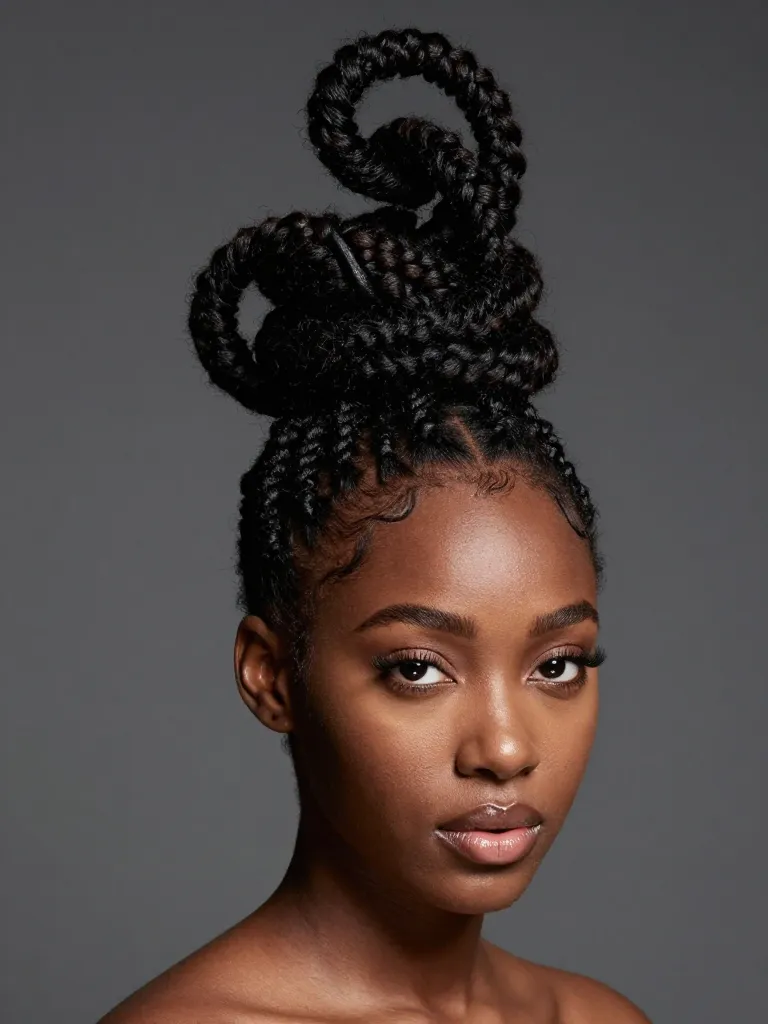
The sculptural updo treats locs as a three-dimensional building material. Unlike loose-hair buns that rely on pins and gravity, loc updos can be self-supporting — the locs wrap around each other to create structural integrity without hardware. The basic technique: gather locs at the crown, then twist individual locs into loops, spirals, or coils, tucking the ends under adjacent locs to lock the shape. The more locs you incorporate, the larger and more dramatic the structure. Advanced versions include the loc crown (locs arranged in a circle around the head like a halo), the loc knot (a single thick loc twisted into a decorative knot), and the loc basket (locs woven together in an over-under pattern).
Step 2: The Cascading Half-Up
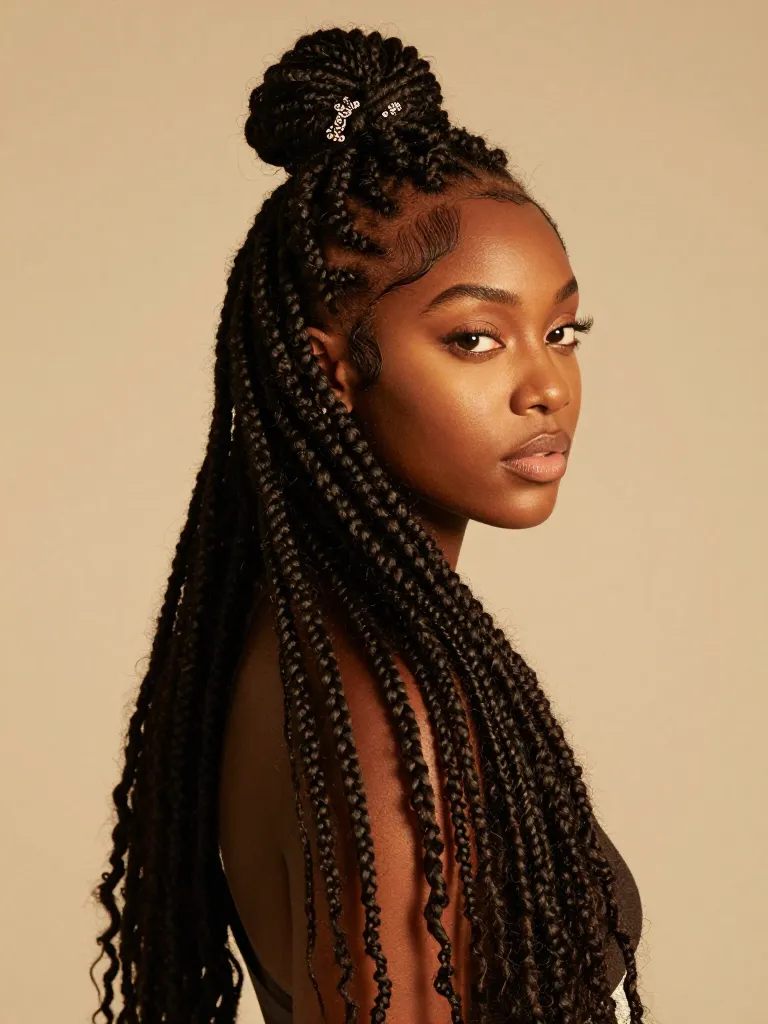
The cascading half-up is the everyday women’s loc style — functional enough for work, dramatic enough for events. The technique: separate locs into a horizontal section from ear to ear. Gather the top section loosely at the crown and secure with a clip, tie, or decorative pin. Leave the bottom section flowing freely. The result is a dimensional style with volume on top and movement below. The key to making this look intentional is the separation line — it should be clean and deliberate, not a random grab. Use a rat-tail comb to create a precise part from ear to ear before gathering. Leave 2-3 thin locs out at each temple for face-framing.
Step 3: The Loc Braids and Wraps
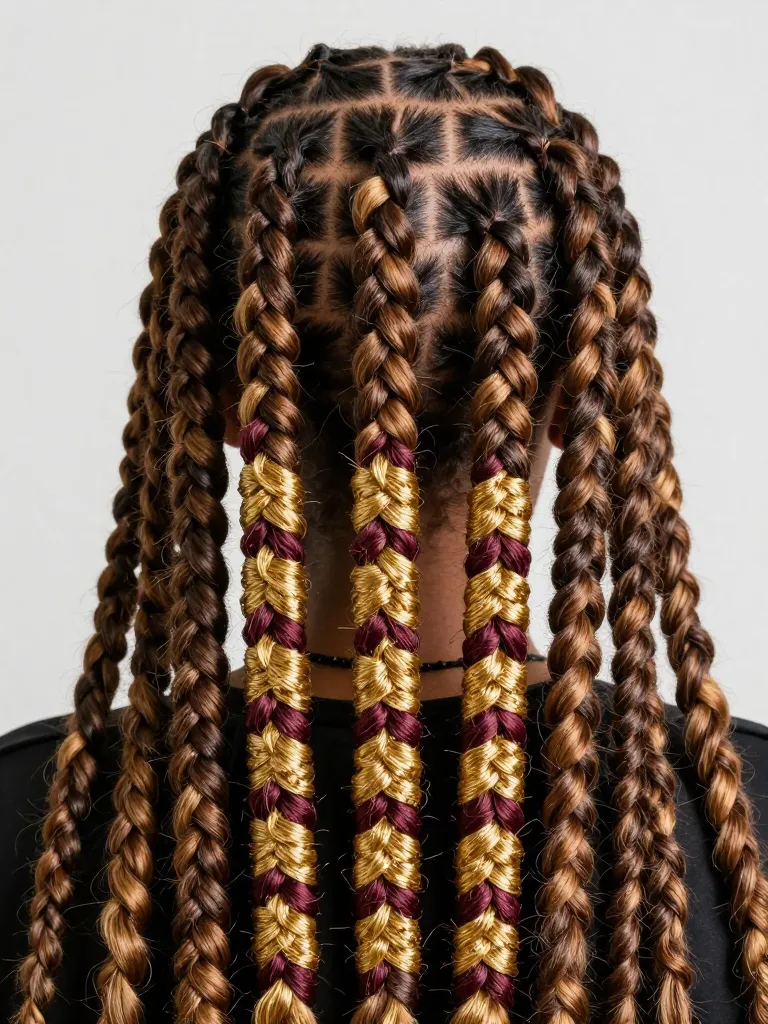
Loc wrapping transforms plain locs into decorative accent pieces using embroidery thread, yarn, or metallic wire. The technique: select 3-5 locs (typically at the front or along the part line), then wrap thread tightly from the root to mid-length in a spiral pattern. Alternate colors for a striped effect, use metallic thread for shimmer, or wrap with yarn for a bohemian aesthetic. The wrapped locs become visual accent pieces that frame the face or highlight a specific section. Beyond wrapping, locs can also be braided together — two or three locs braided in a traditional three-strand braid create a thicker, textured accent piece. The braids and wraps can be worn alone or incorporated into updos and half-ups.
Step 4: The Side Sweep
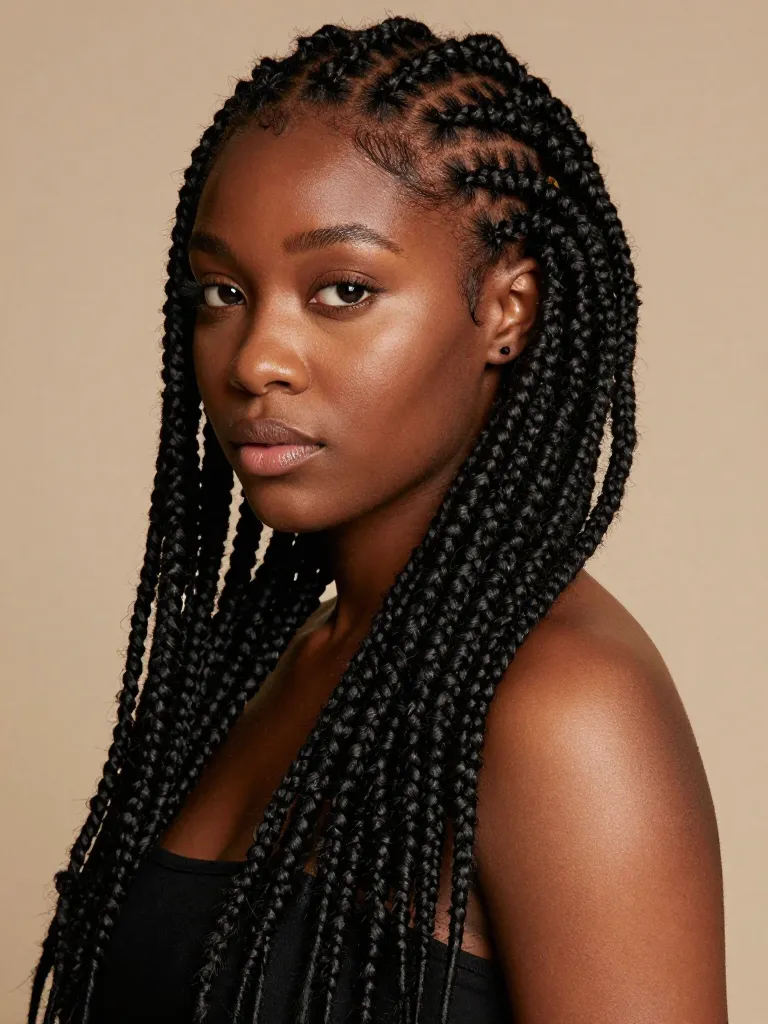
The side sweep is the most dramatic everyday loc style for women — all locs directed to one side, creating an asymmetrical curtain that frames the face and drapes over one shoulder. The technique: part your locs on the opposite side from where you want the sweep. Direct all locs across the head toward the target side, smoothing the top section with your palms. Secure the bottom locs behind the opposite ear with bobby pins to prevent them from sliding back. The top locs should fall naturally over the shoulder. The key detail is the ‘anchor’ — 2-3 locs pinned behind the ear on the swept-under side. Without anchors, the locs will migrate back to center within an hour.
Step 5: The Loc Crown
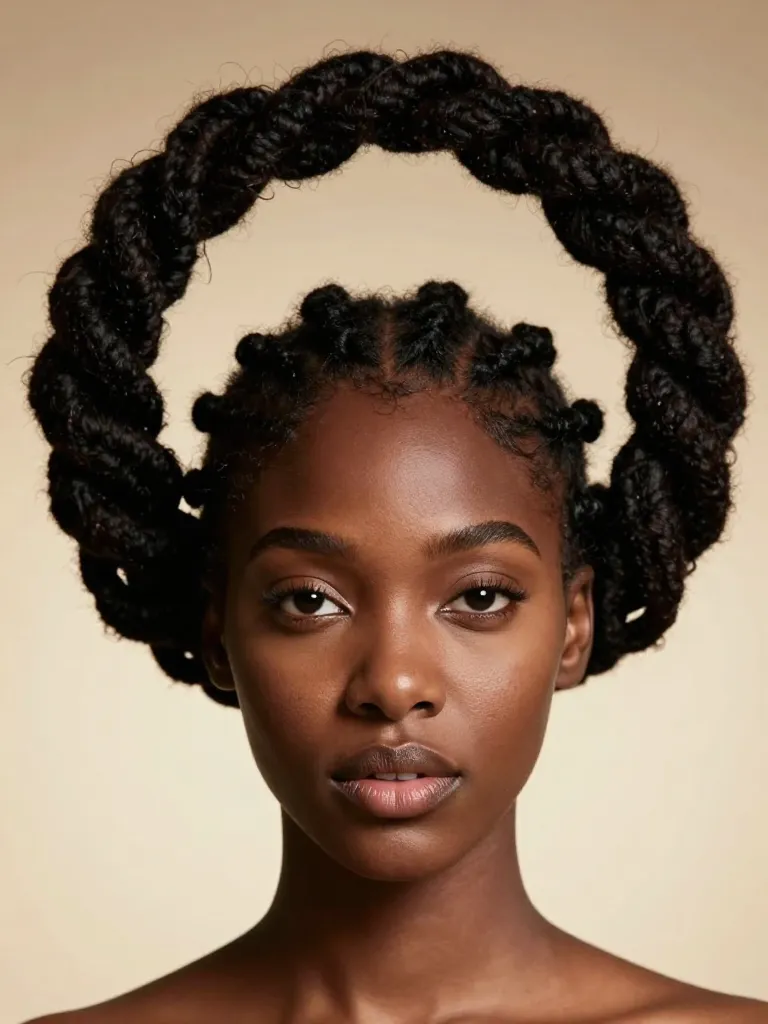
The loc crown is the most regal women’s loc style — all locs arranged in a circular band around the head, creating a halo or crown effect. The technique: part locs from ear to ear. Take the front section and direct it backward along one side of the head, tucking the ends under the back section. Take the back section and direct it forward along the opposite side, tucking the ends under the front section. The two sections overlap to create a continuous band. Secure with bobby pins at the overlap points and along the band where needed. The loc crown works on virtually any loc length past the chin — shorter locs create a tighter, more structured crown, while longer locs create a looser, more flowing halo. This is the style for formal events, photos, and any time you want to look like you were born for a throne.
Why This Works
Women’s loc styling exploits a unique material property: locs are flexible columns with memory. Unlike loose hair, which falls according to gravity and texture, locs can be trained to hold shapes because the interlocked structure resists deformation. When you wrap a loc into a loop, the internal knotting prevents it from straightening back out — it holds the loop shape until you manually unwrap it. This is the same principle that lets rope hold a knot: the twisted fibers resist unraveling. Loc wrapping works on a different principle — the thread creates a compression sleeve that stiffens the loc, reducing its flexibility and making it behave like a wire rather than a rope. The wrapped loc can be bent into shapes and will hold them because the thread constrains the loc’s natural desire to straighten.
Women’s locs aren’t a hairstyle — they’re a material system. Every loc is a flexible structural column that can be sculpted, wrapped, braided, and arranged into configurations that loose hair physically cannot achieve. The five approaches here aren’t just styles — they’re engineering techniques that exploit the unique properties of loc architecture. Your locs can be a crown, a cascade, a sculpture, or a canvas. The only limitation is how far you’re willing to push the material.
Your locs are columns. Build something extraordinary. ✂️