Black Curly Hair: 4 Ways to Define and Celebrate Your Texture
Your curls aren’t a problem to solve. They’re a feature to amplify. Here’s how to work with what you’ve got — not against it.
Black curly hair is structurally different from every other hair type on the planet. The strand shape is flat and ribbon-like, which means it bends, coils, and twists in ways that create incredible volume and dimension — but also makes it prone to dryness and breakage if you treat it like straight hair. The problem isn’t the texture. The problem is that most hair advice was written for someone else’s head. These four approaches stop fighting your curl pattern and start working with the biology you were born with.
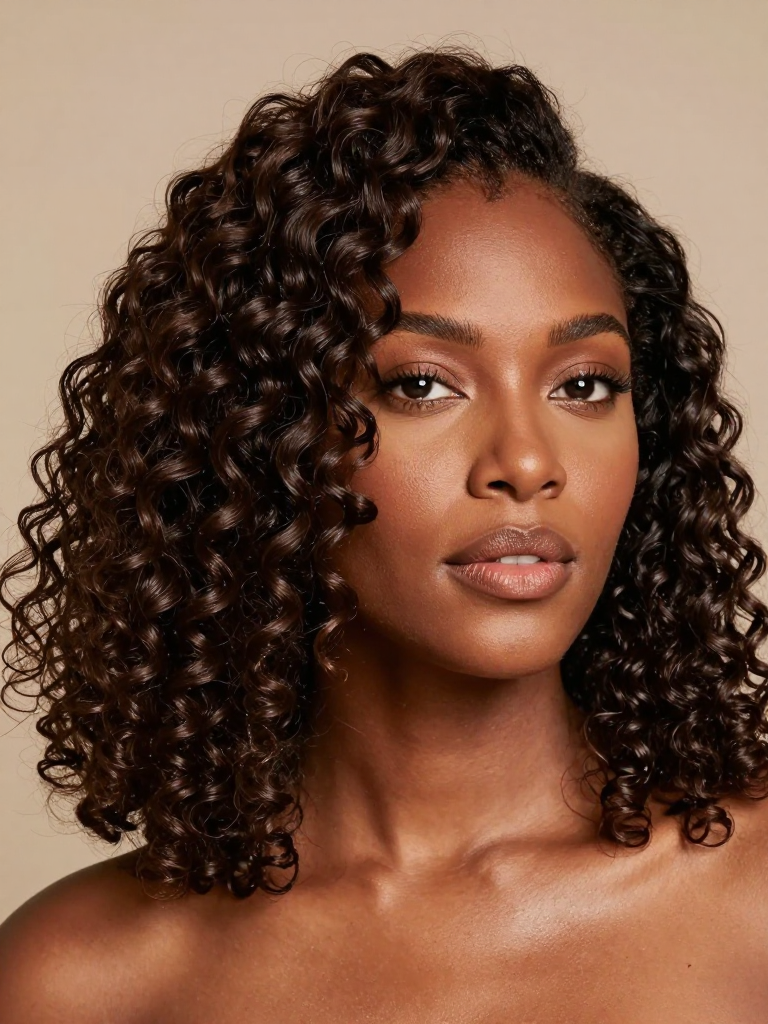
1. The Defined Coil-Out
The coil-out is the foundation of natural hair styling, and most people get it wrong because they skip the most important step: hydration. Your hair isn’t dry because it’s unhealthy — it’s dry because the curl pattern prevents natural scalp oils from traveling down the shaft. The fix is layering: a water-based leave-in first, then a curl cream to define, then a light oil to seal. Apply to soaking wet hair, not damp. The water is your styling tool — it activates the products and helps your curls clump into defined coils instead of frizzy cloud. Rake the product through in sections, then scrunch upward and let it air dry or diffuse on low heat. Don’t touch it while it dries. Seriously. Every time you touch drying curls, you’re introducing frizz.
2. The Twist-Out Definition
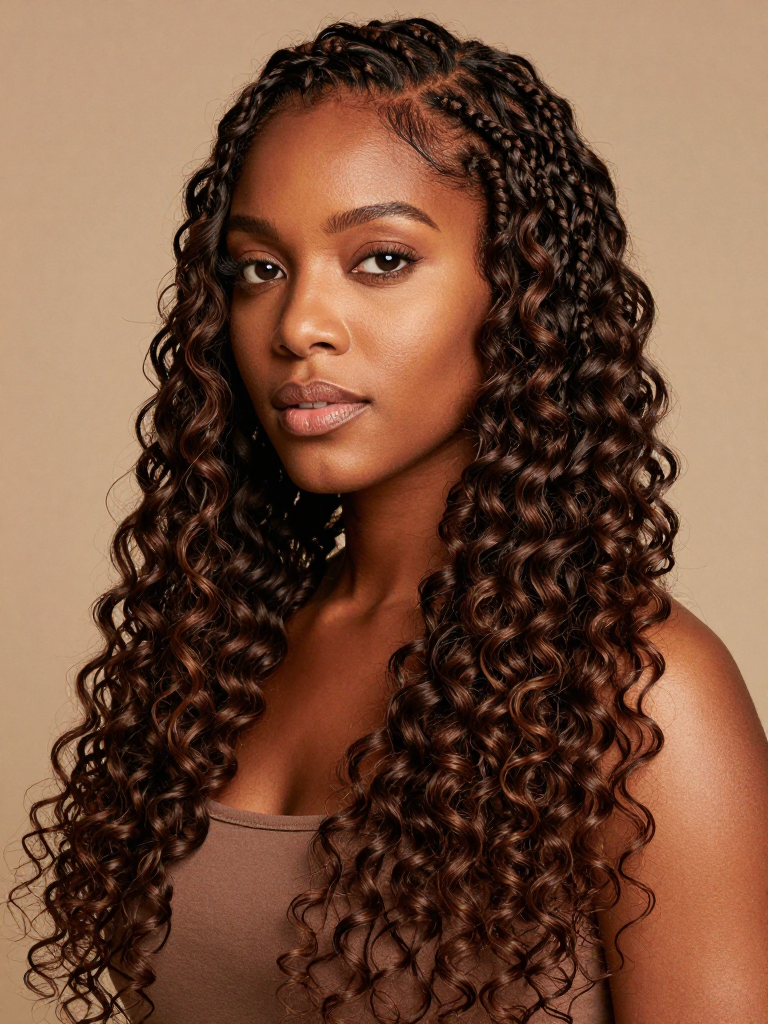
A twist-out stretches your natural curl pattern without heat. You’re essentially training your hair to dry in a looser formation. The technique: section damp hair into two-strand twists, let them dry completely (overnight is ideal), then unravel and separate with oiled fingers. The key variables are section size and product amount. Larger twists = looser waves, smaller twists = tighter definition. Too much product = crunchy, stiff results. Too little = frizz by noon. The sweet spot is enough curl cream to coat each section without saturating it. For maximum stretch, twist on damp (not wet) hair and make sure each twist is taut as you work. Sleep with a satin bonnet to preserve the pattern. A good twist-out lasts 4-5 days if you pineapple at night.
3. The Wash-and-Go Volume
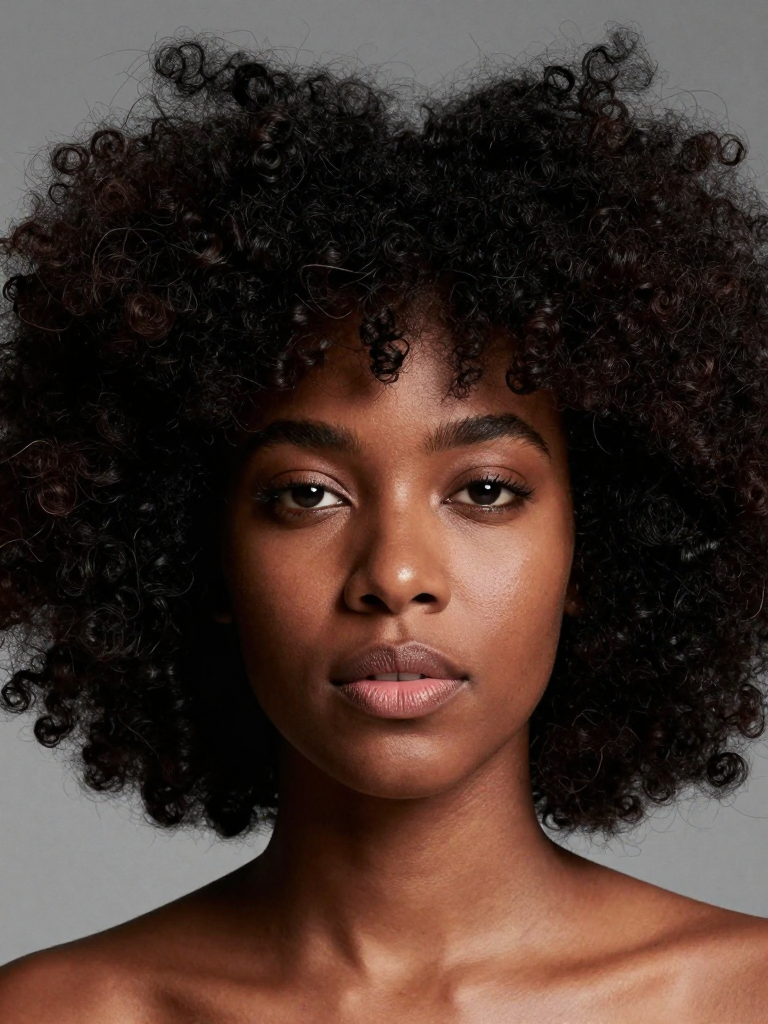
The wash-and-go is the most misunderstood style in natural hair. People think it means ‘wash your hair and go outside’ — it doesn’t. It means ‘wash, condition, apply product correctly, and let your hair do its thing.’ The key is the LCO method (Liquid, Cream, Oil) applied to sopping wet hair in the shower. Start with a generous amount of leave-in conditioner, rake it through section by section, then apply a curl gel or custard for hold. The hold product is what separates a defined wash-and-go from a frizzy mess — without it, your curls lose definition within hours. Once styled, don’t touch your hair until it’s completely dry. Break the gel cast by scrunching with a tiny amount of oil on your palms. The result is voluminous, defined, and lasts a full week with proper nightly protection.
4. The Braid-Out Sculpt
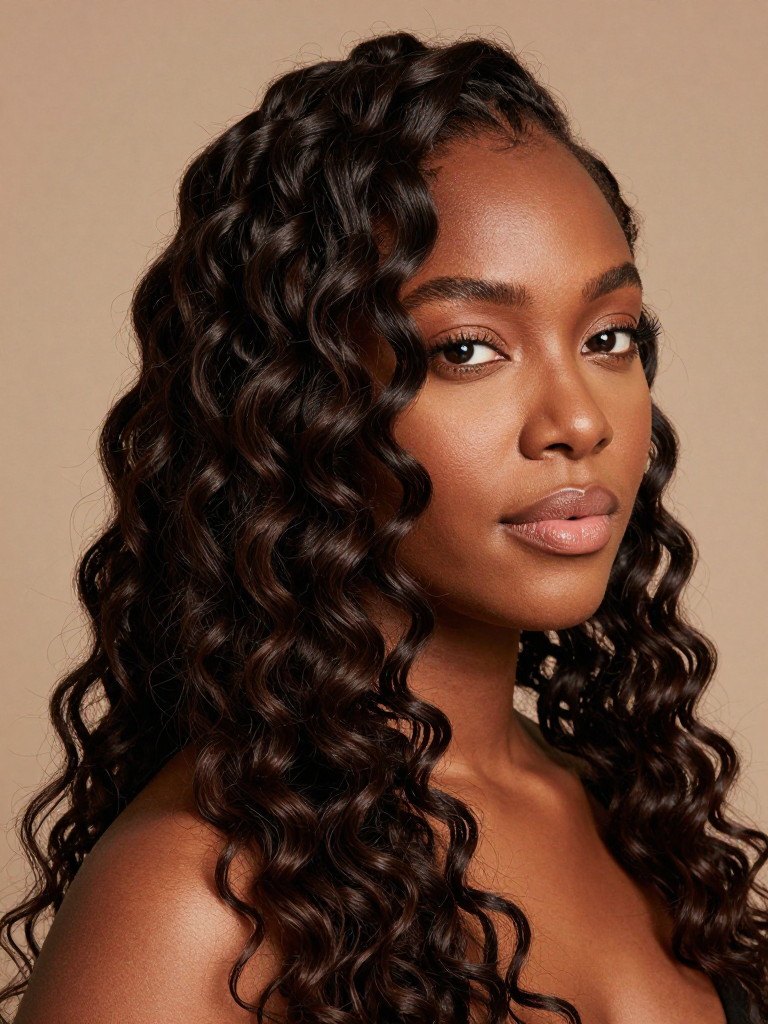
A braid-out gives you more elongation than a twist-out and a different wave pattern — flatter, wider, more mermaid-like. The technique is similar: damp hair, product, braids, dry, unravel. But braids require more precision. Each braid needs to be flat against the scalp and uniform in tension, or you’ll get inconsistent results. Use three-strand braids (not plaits) for the most defined pattern. The product choice matters more here than with twist-outs — you need something with hold, not just moisture. A styling mousse or foam works better than cream for braid-outs because it dries faster and holds the braid pattern without stiffness. Let the braids dry completely. Overnight works, but if you’re in a rush, a hooded dryer on low heat for 45 minutes does the job. When you unravel, separate each braid into 3-4 smaller sections with oiled fingers for maximum volume.
Tools & Products
| Item | Purpose | Category |
|---|---|---|
| Water-based leave-in conditioner | Foundation hydration for all styles — the most important product in your routine | hair_care |
| Curl cream | Definition and moisture layer for twist-outs and coil-outs | styling |
| Strong-hold gel | Curl definition and frizz control for wash-and-go styles | styling |
| Satin bonnet or pillowcase | Nightly protection to preserve curl patterns and prevent breakage | tools |
| Wide-tooth comb | Detangling on wet hair only — never dry-brush curly hair | tools |
Related Guides
Hairstyles for locs for women — another natural texture approach — If you’re considering a more permanent natural style, locs offer a different way to celebrate your texture.
Natural hairstyles for black women — broader style options — More natural style ideas beyond just curly approaches.
Black curly hair doesn’t need fixing. It needs understanding. Every one of these four approaches works with your hair’s natural structure instead of forcing it into something it was never designed to be. The best natural hair routine is the one that starts with hydration, uses the right products for your curl type, and respects the fact that your hair is supposed to look like this. The shrinkage, the volume, the texture — that’s not a side effect. That’s the whole point.
Pick your method. Stock up on conditioner. Let your curls do what they were built to do.