Calico Hair: 4 Patchwork Color Combos That Look Like Living Art
Not highlights. Not balayage. A whole quilt on your head.
Calico hair isn’t a coloring technique — it’s a philosophy. Named after the tri-color pattern of calico cats, this style abandons the idea that hair should blend. Instead, it celebrates contrast: distinct patches of color laid side by side like fabric swatches on a design board. The result is hair that looks less like ‘I went to a salon’ and more like ‘I was born in a dimension where fur comes in geometric patches.’ The technique has exploded because it works on every hair length, every texture, and every skin tone — you just pick your palette and let the patchwork do the talking. Here are four calico variations that prove hair color can be architecture.
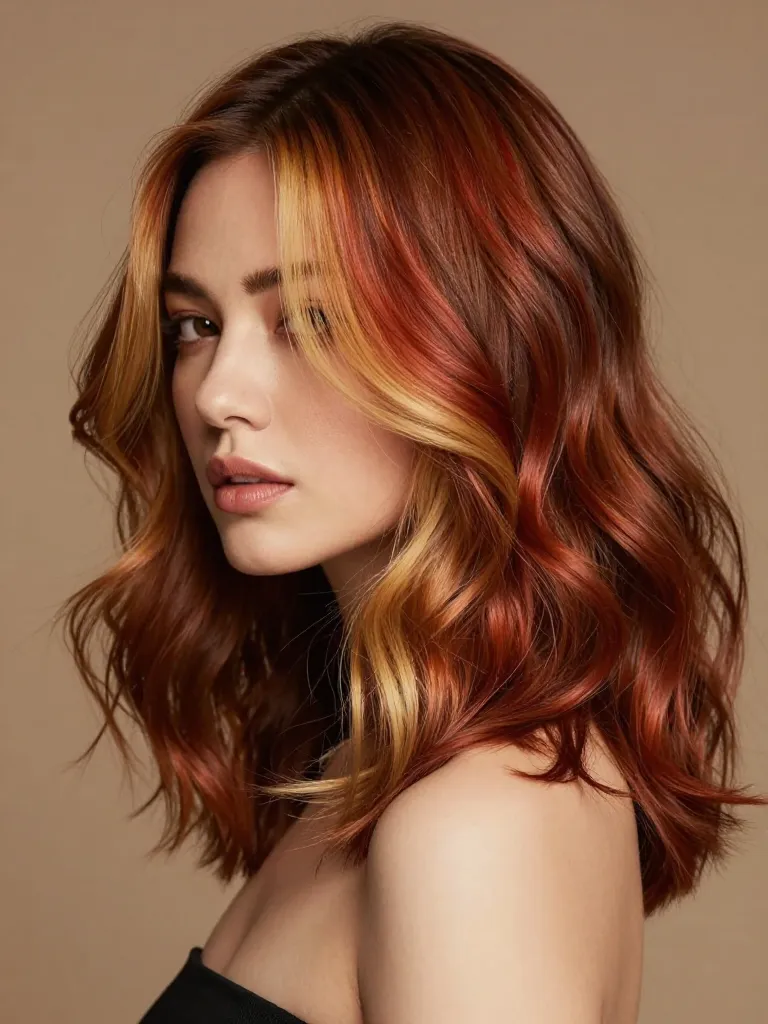
1. Classic Tri-Color Calico
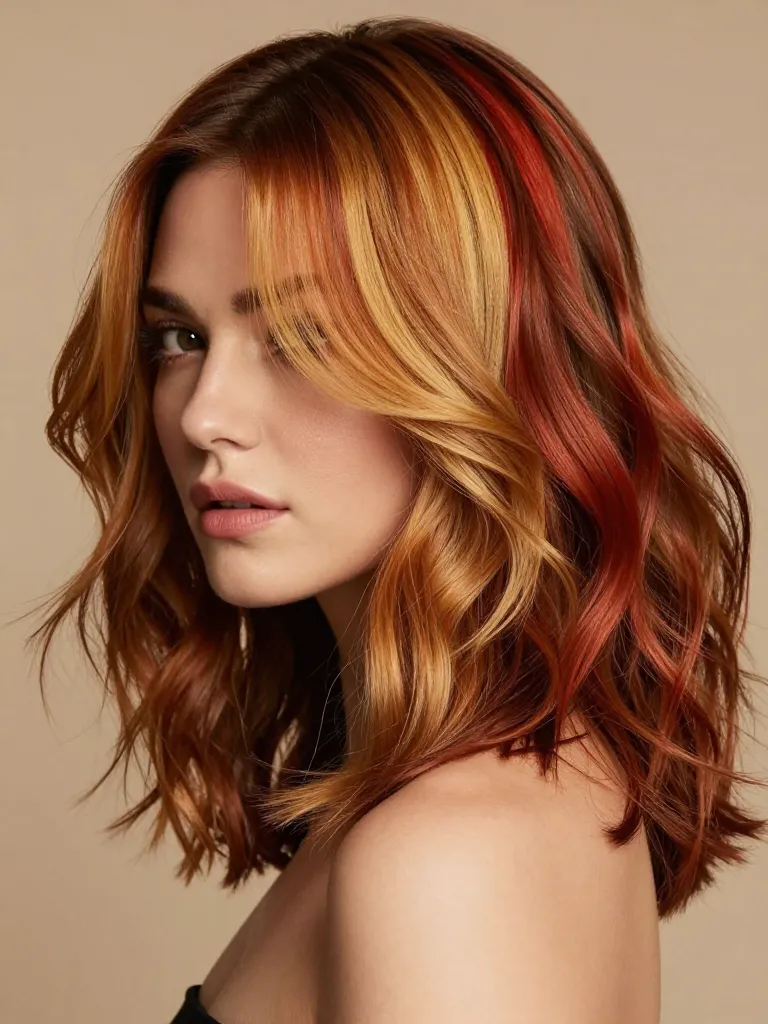
Classic Tri-Color Calico uses three harmonious but distinct shades — no blending, no melting, no gradient. The colorist sections the hair into irregular geometric zones and applies each color to its section independently. The boundaries between colors are clean and deliberate, not feathered. The most popular palette is chestnut-caramel-copper, but the technique works with any trio: ash-platinum-rose, espresso-honey-chocolate, or even bold combinations like midnight-emerald-gold. The key is that each color occupies its own territory — like a patchwork quilt, not a watercolor painting. This variation works best on medium to long hair where there’s enough surface area for the patches to read as intentional patterns rather than mistakes.
2. Pastel Calico
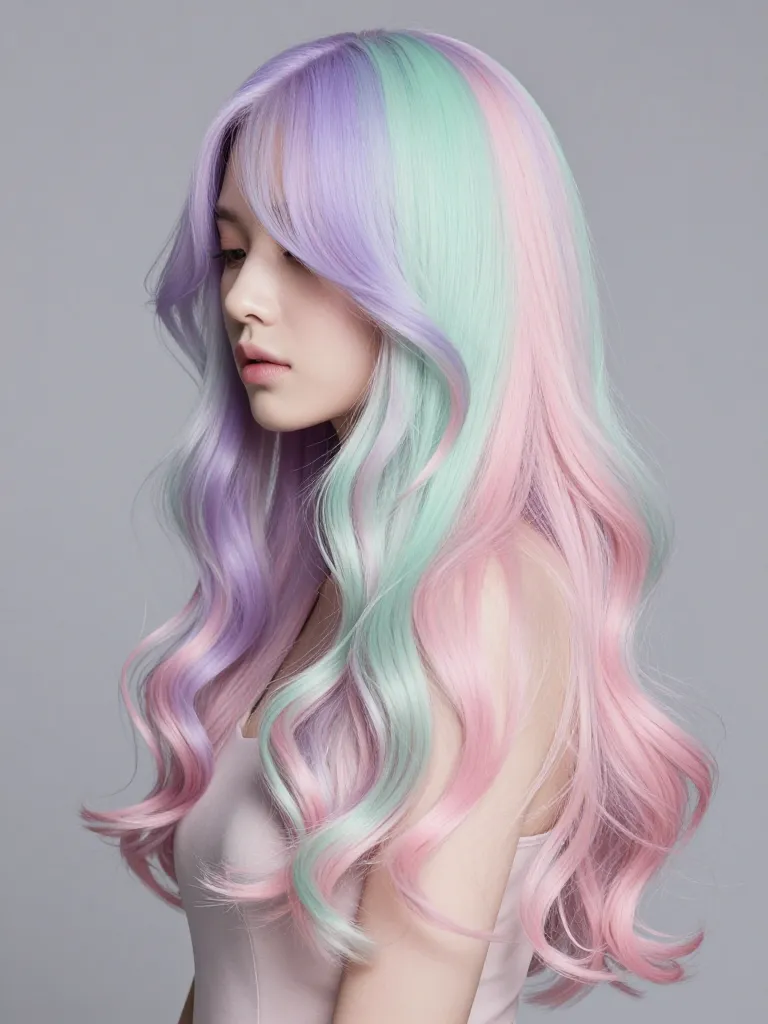
Pastel Calico takes the patchwork concept and softens it into cotton-candy territory. Instead of natural tones, the palette uses three pastel shades — lavender and mint and blush are the most popular, but any pastel trio works: peach and lilac and seafoam, or butter yellow and baby blue and rose. The technique is identical to classic calico: distinct sectioned patches with clean boundaries. But the pastel palette reads as whimsical rather than edgy, making it popular with creatives, festival-goers, and anyone who wants their hair to look like a Lisa Frank folder come to life. The trade-off: pastels fade faster than natural tones, so you’ll need color-depositing conditioner and cold-water washes to keep the patches vibrant.
3. Shadow Root Calico
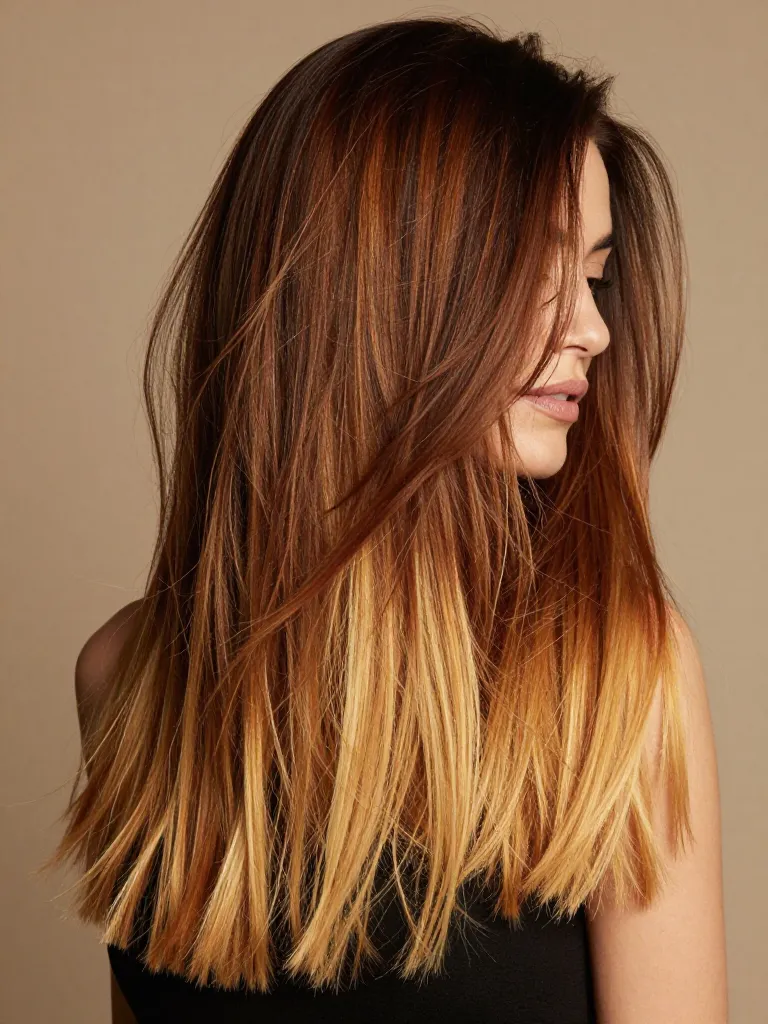
Shadow Root Calico reorganizes the patchwork vertically instead of horizontally. The root zone stays dark (natural or dyed), the mid-lengths get a warm mid-tone, and the ends get a bright contrast shade. The three zones are applied in distinct patches — so one section might go dark-to-caramel-to-honey while the adjacent section goes dark-to-chocolate-to-copper. The vertical orientation makes the color look more natural than horizontal calico because it follows the hair’s natural fall pattern. It’s also lower maintenance — the dark root means regrowth is invisible, and the color shifts happen further down the shaft where they’re easier to refresh. This is the calico for people who want the patchwork effect without the commitment of root-touch-up appointments every six weeks.
4. Bold Graphic Calico
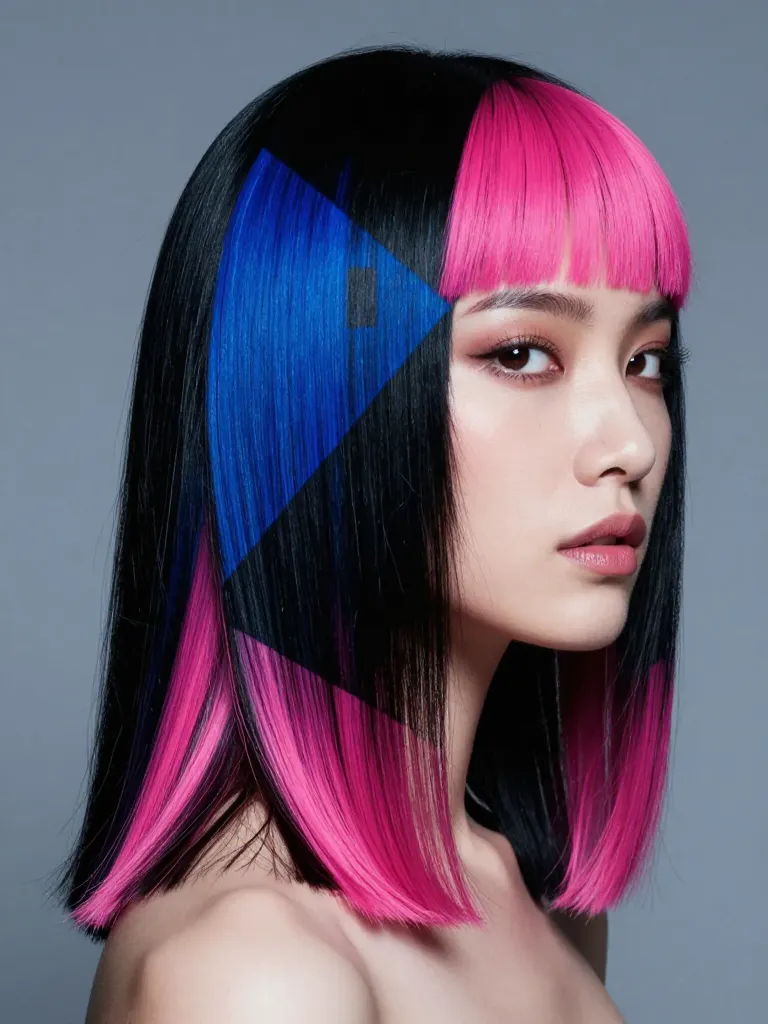
Bold Graphic Calico abandons natural tones entirely and goes full graphic design. The palette uses high-contrast, saturated colors — black and electric blue and hot pink, or platinum and emerald and violet, or any combination that makes people stop scrolling. The sectioning is more geometric than organic: instead of irregular patches, the colorist creates deliberate shapes — angular sections, diagonal blocks, or even chevron patterns. This variation requires the most maintenance because bold colors fade faster than natural tones, and the high contrast means any fade is immediately visible. But the payoff is hair that functions as wearable art — a conversation starter that photographs like a magazine cover. This is not a ‘blend in’ color. This is a ‘I have opinions about color theory’ color.
Materials Checklist
| Item | Purpose | Category |
|---|---|---|
| Color-safe shampoo and conditioner | Preserving vibrancy between salon visits | Hair Care |
| Color-depositing conditioner | Refreshing patchwork color at home between appointments | Hair Care |
| Purple shampoo | Preventing brassiness in blonde and pastel patches | Hair Care |
| Heat protectant spray | Protecting color-treated hair from heat styling damage | Styling Products |
| Deep conditioning mask | Restoring moisture to pre-lightened and color-treated hair | Hair Care |
| Silk pillowcase | Reducing friction that causes color-treated hair to fade faster | Accessories |
| UV protectant spray | Preventing sun-induced color fading on exposed patches | Hair Care |
Related Guides
Calico hair is the antidote to the ‘natural-looking color’ industrial complex. For years, the hair industry told us the goal was color that looked like it could be natural — subtle highlights, seamless blends, nobody can tell. Calico says: what if we stopped pretending? What if we let the color be loud, be distinct, be obviously, deliberately, unapologetically dyed? The patchwork effect isn’t a mistake. It’s a statement. And the statement is: I know what I want, and I want it in three colors.
Three colors. Zero blending. All intention.