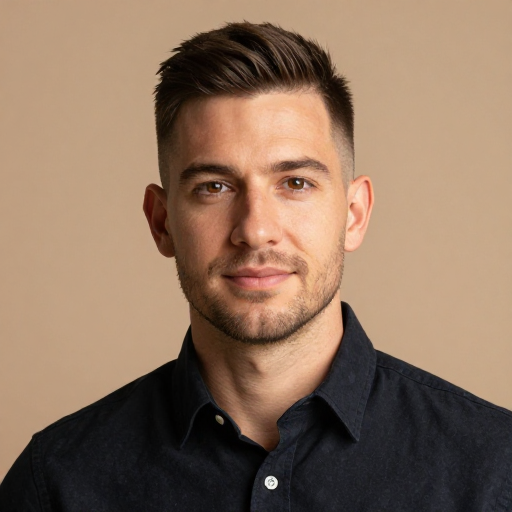
The Mullet Haircut: Why It’s Back and How to Wear It in 2025
Business in the front, party in the back — except now it’s just a good haircut.
The mullet haircut has been the most mocked hairstyle in history. For decades, ‘mullet’ was shorthand for bad taste, rural fashion, and 1980s excess. But in the last five years, the mullet has been reclaimed by barbers, stylists, and fashion-forward men who’ve reinterpreted it as a legitimate, modern hairstyle. The modern mullet is not the Billy Ray Cyrus disaster of 1992 — it’s a textured, layered, deliberately messy cut that uses length at the back as a design element, not a joke. Here’s how the mullet came back and how to wear it without looking like you’re going to a costume party.
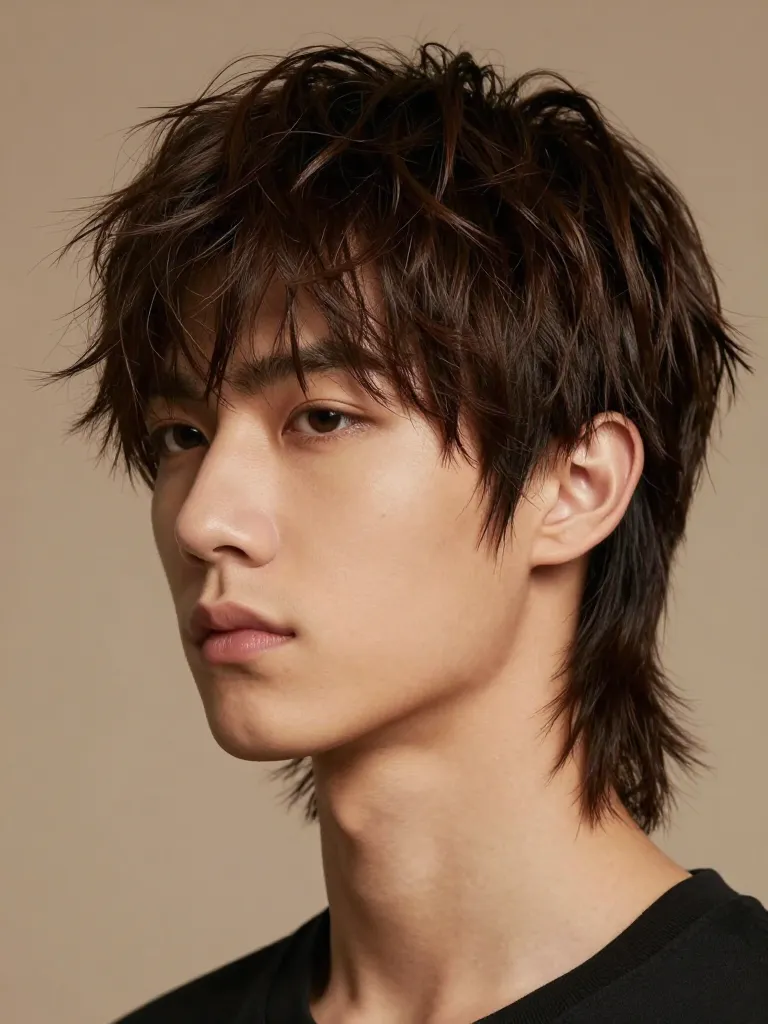
1. The Modern Textured Mullet
The modern textured mullet is the version that brought the mullet back from joke status to legitimate hairstyle. The key difference from the classic mullet is texture and layering. The top and sides are heavily layered with 3-5 inches of length, the fringe is textured and sits at the eyebrows, and the back extends to the collar or slightly below. The transition from short front to long back is gradual, not a hard line. The styling is minimal — matte clay or sea salt spray, tousled with fingers. This mullet works best on men with wavy or thick hair because the natural texture creates the shaggy, effortless look that defines the modern mullet.
2. The Fade Mullet
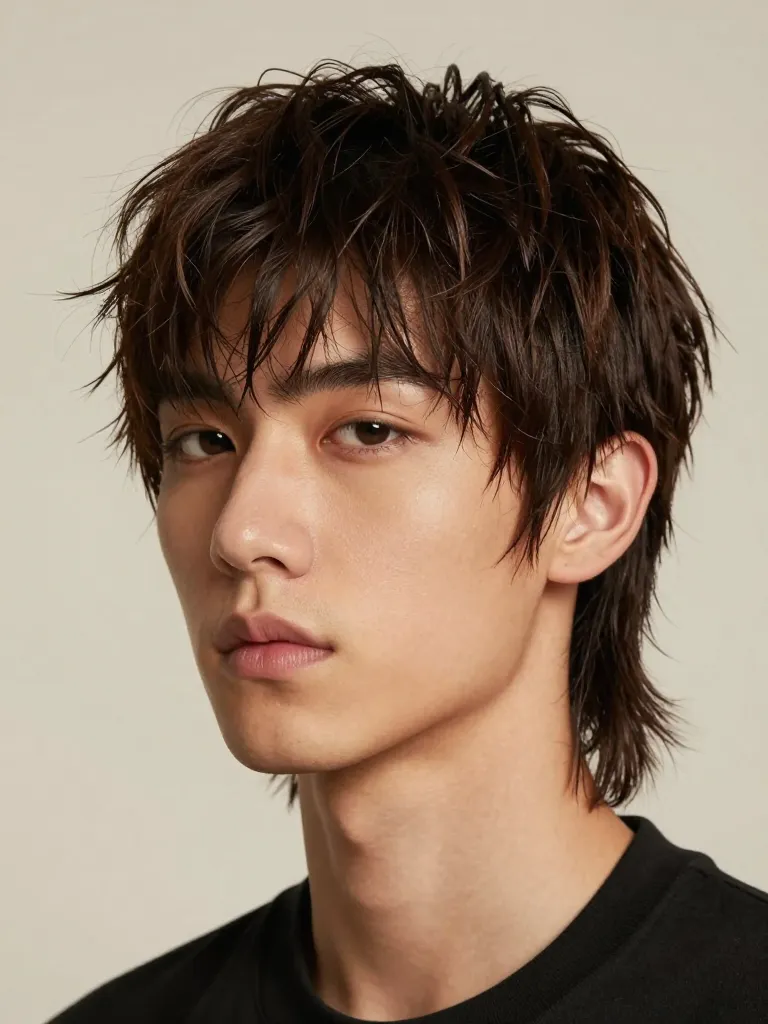
The fade mullet is the hybrid that brought barbershop guys into the mullet world. The sides are faded from skin at the ears to longer length at the crown, while the top and back are left long and layered. The fade gives the mullet structure and cleanliness that the all-over shaggy version lacks. This variation is more versatile than the textured mullet because the clean sides make it acceptable in professional environments — the long back is hidden when viewed from the front.
3. The Curly Mullet
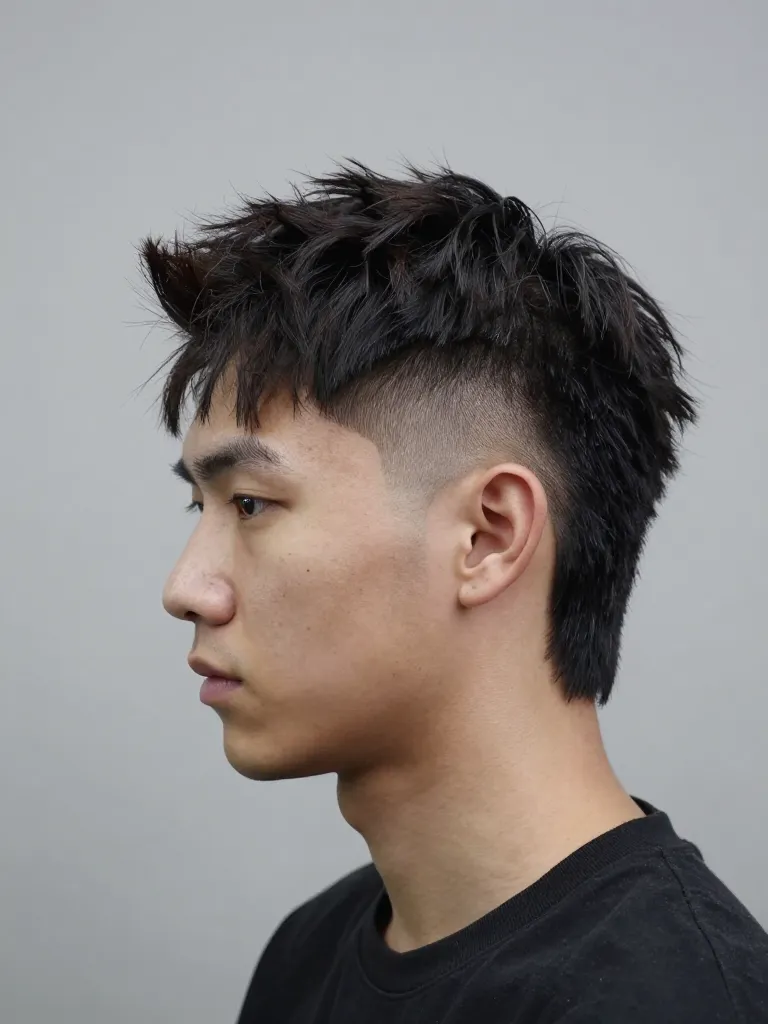
The curly mullet is the most natural-looking mullet variation because curly hair already has the volume and movement that straight-haired men try to fake with products. The curls on top are left 3-5 inches, the sides are tapered (not faded), and the back extends to the collar with defined curls. The curly mullet requires minimal styling — just curl cream and diffusing. The biggest advantage is that curly hair hides the awkward grow-out phase better than straight hair.
4. The Shullet (Shag-Mullet Hybrid)
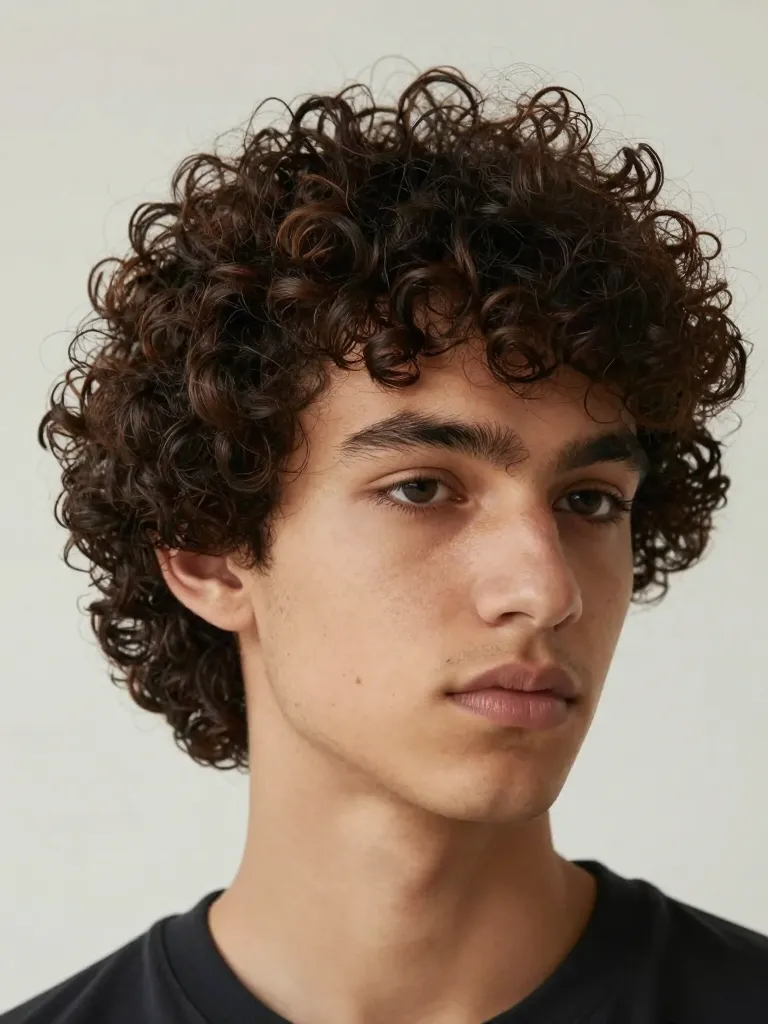
The shullet (shag + mullet) is the mullet for people who don’t want to look like they’re wearing a mullet. The cut is heavily layered all around — not just on top — with face-framing layers at the front and length at the back. The difference from a standard mullet is that the shullet has volume and layers everywhere, not just at the back. The result is more ’70s rock star’ than ’80s country singer.’ The shullet works on every hair type and is the most wearable mullet variation for men in professional environments.
What You’ll Need
| Item | Purpose |
|---|---|
| Matte clay or paste | Daily styling for textured mullets |
| Sea salt spray | Enhancing natural texture and wave |
| Curl cream | Defining curls in curly mullet variations |
| Blow dryer with diffuser | Building volume without frizz |
| Texturizing scissors | DIY texture cuts between barber visits |
The mullet is back, and it’s not a joke anymore. The modern mullet is a legitimate, versatile hairstyle that works on every hair type and face shape. The key is choosing the right variation for your hair and lifestyle.
Grow it. Layer it. Let the back live.