The Curly Mullet for Women: How to Cut, Style, and Love Your Curls
Your curls already build volume. This guide shapes it into architecture.
Curly-haired women have spent decades fighting their texture with flat irons, relaxers, and ‘smoothing’ products. The curly mullet says: stop fighting. Your curls are a structural asset, not a problem to solve. They build volume for free, create movement without product, and add texture that straight-haired women spend 30 minutes with a curling iron to achieve. The challenge isn’t making curls look good in a mullet — it’s managing the weight distribution so the silhouette reads as ‘architectural’ and not ‘triangle.’
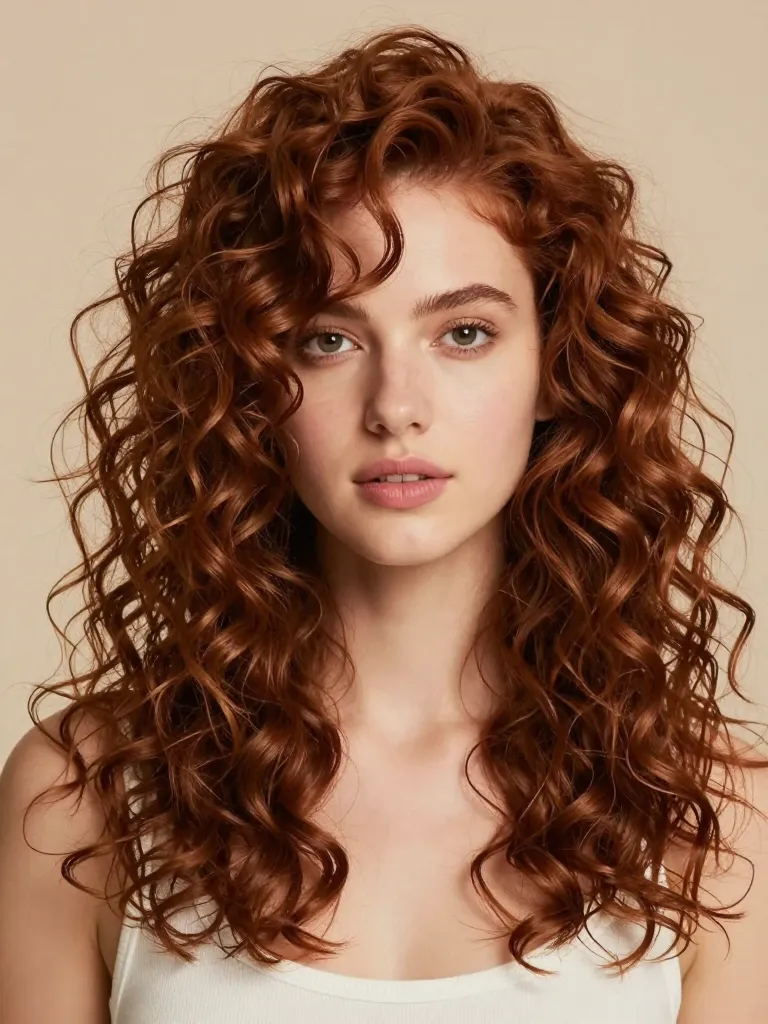
Step 1: Assess Your Curl Type and Density
- Mirror
- Your dry, unstyled hair
Before cutting, you need to understand your curl DNA. Curl type (2A-4C) determines how much shrinkage to expect and how to layer. Density (how many hairs per square inch) determines how much bulk to remove. Type 2B-3A curls are the sweet spot for mullets — enough structure to build volume, enough looseness to cascade. Type 3B-3C curls need more interior thinning to prevent mushroom shape.
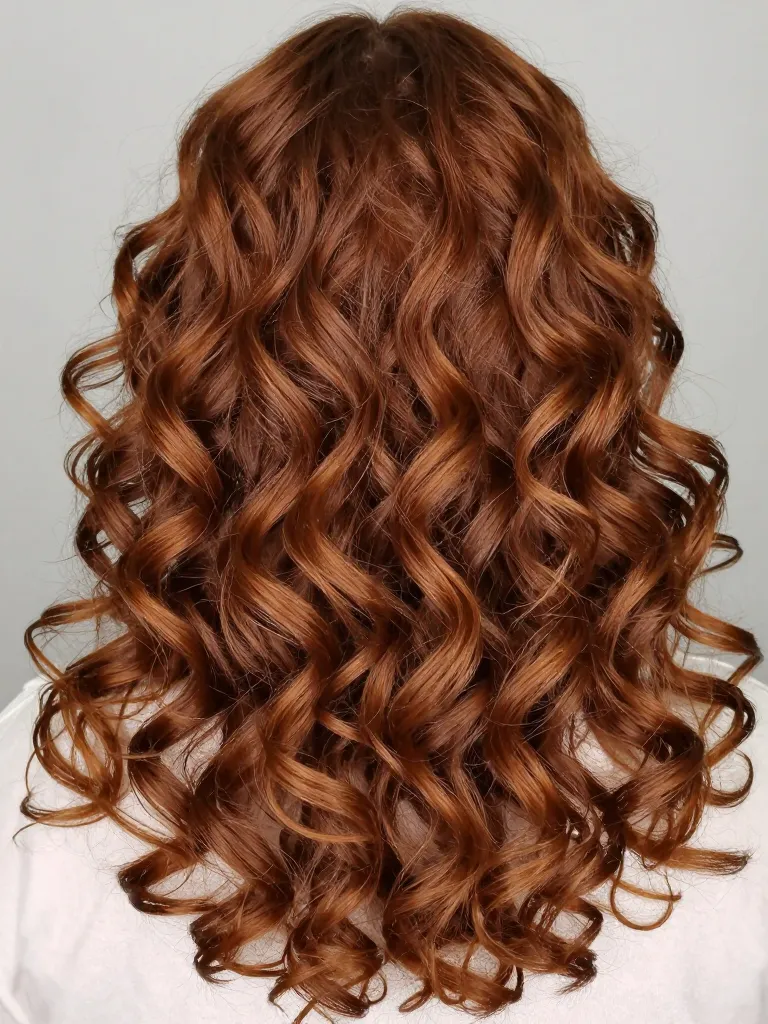
Step 2: Cut the Back Using the Curl-by-Curl Method
- Sharp shears
- Wide-tooth comb
- Spray bottle with water
The curl-by-curl method is the gold standard for cutting curly mullets. Instead of cutting a uniform length (which looks blunt and disconnected on curly hair), you cut each curl or curl cluster at its natural fall point. Lift a curl section straight up, let it fall naturally, and trim just below where it lands. The nape curls (usually looser) get cut slightly longer to compensate for less shrinkage.
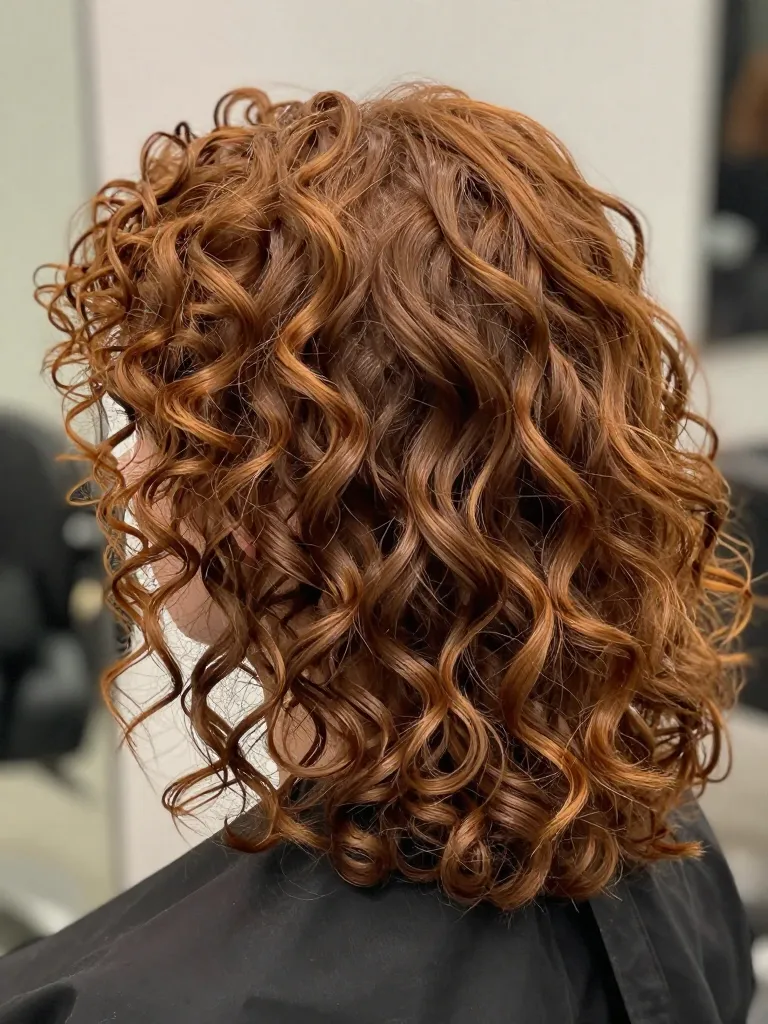
Step 3: Build the Crown Volume Layers
- Sharp shears
- Wide-tooth comb
The crown of a curly mullet is the volume engine — but too much volume creates the dreaded mushroom shape. Take vertical sections at the crown and point-cut into the interior of each section, removing bulk from the middle while keeping the outer curl length intact. For 2B-3A curls: light thinning, 0.5-1 inch shorter than the back. For 3B-3C curls: aggressive thinning, 1-1.5 inches shorter than the back.
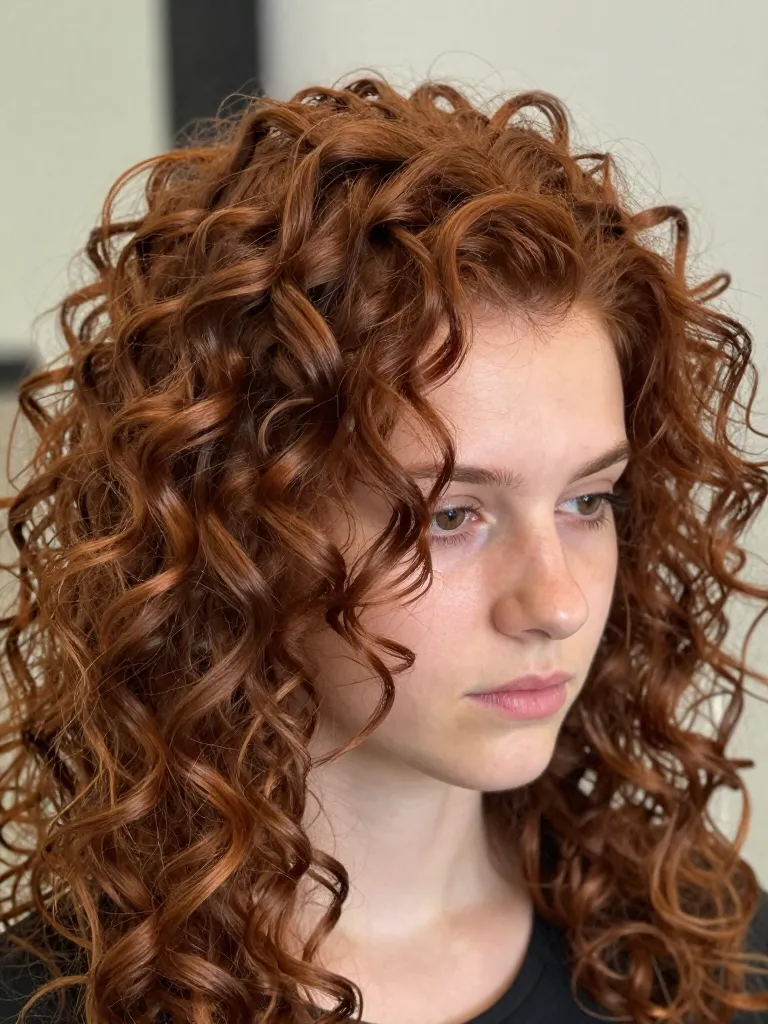
Step 4: Define the Face-Framing Curls
- Sharp shears
- Mirror
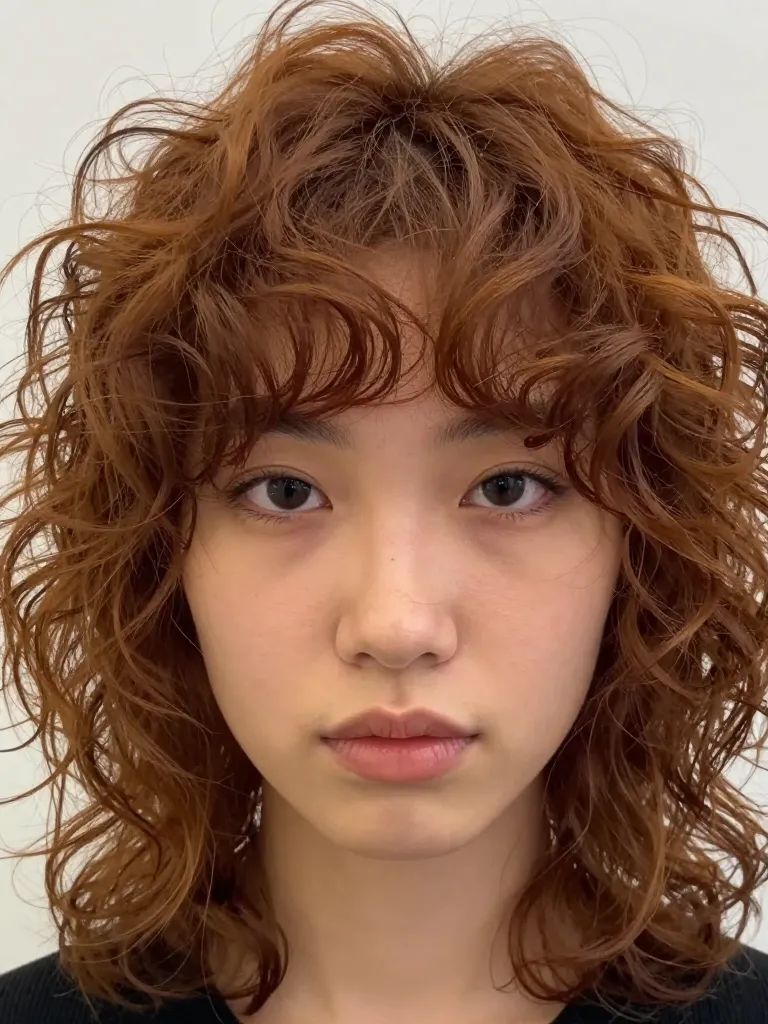
The face-framing curls are the most visible part of a curly mullet — they’re what people see first. These should be cut to frame your best features: cheekbones, jawline, or eyes depending on your face shape. For oval faces: cut to cheekbone length for a balanced frame. For round faces: cut to jawline to create elongation. For heart faces: cut to chin to balance the forehead.
Step 5: Style for Curl Definition and Mullet Silhouette
- Curl-defining cream
- Microfiber towel or cotton t-shirt
- Diffuser (optional)
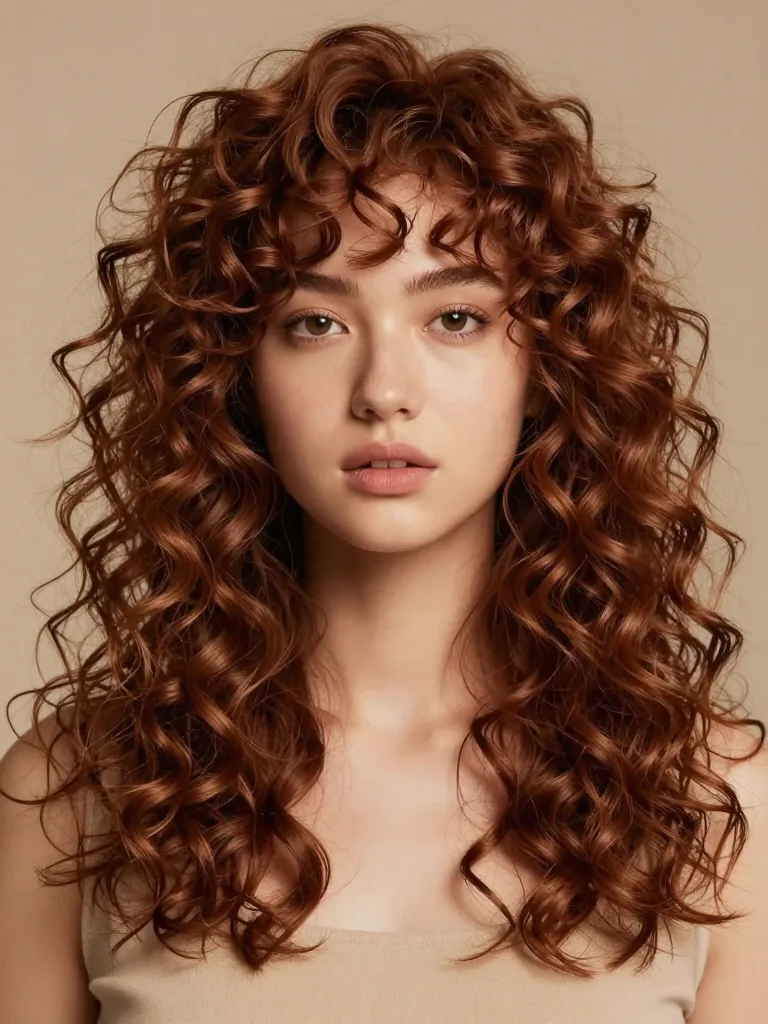
Styling a curly mullet is about moisture, definition, and silhouette. Start with soaking wet hair (not damp — soaking). Apply a curl-defining cream generously — work it through with your fingers using the ‘praying hands’ method (smoothing product between your palms and gliding down sections). Scrunch each section upward to activate the curl pattern. For the face-framing curls, twist individual ringlets around your finger for extra definition.
Why This Works
The curly mullet works because curls are natural volume architects. Tighter curls at the crown build height. Looser curls at the nape create length. The natural gradient from tight to loose IS the mullet — you’re just shaping what the curl pattern already wants to do. The curl-by-curl cutting method works because it respects each curl’s individual shrinkage and behavior, resulting in a silhouette that looks organically shaped rather than bluntly cut.
Safety Warnings:
- Never cut curly hair soaking wet — it shrinks 30-50% when dry, leading to much shorter results
- Never use thinning shears on curly hair — they create frizz and breakage on curl patterns
- Avoid brushing curly hair when dry — it breaks the curl pattern and creates a frizzy mess
Pro Tips
Related Guides
- All women’s mullet variations — the full overview
- Long mullet guide for women — for maximum-length drama
The curly mullet is the haircut that curly-haired women deserve. It doesn’t fight your texture — it celebrates it. It doesn’t smooth your curls — it shapes them. It doesn’t hide your volume — it builds it into architecture. The curl-by-curl method, the strategic weight management, the moisture-rich styling — all of it serves one purpose: letting your curls be the structural asset they were always meant to be.
Your curls were always a mullet waiting to happen. Stop fighting them. Start shaping them. ✂️🌀