The Ivy League Haircut: How to Get the Cleanest Short Style in Men’s Barbering
The crew cut’s sophisticated older brother. Here’s how to build it.
The Ivy League is the haircut that launched a thousand prep school brochures — and for good reason. It’s clean, structured, and versatile enough for any environment from the boardroom to the backyard. But here’s what most guys get wrong: they think the Ivy League is just a slightly longer crew cut. It’s not. The Ivy League is a specific architecture — 1.5-2 inches on top, tapered on the sides, with enough length to create a natural side part. The difference between a good Ivy League and a bad one is the blend: the transition from the longer top to the shorter sides needs to be seamless, not a visible shelf. This guide covers the full Ivy League — from sectioning to finishing — with the precision that makes this cut look effortless.
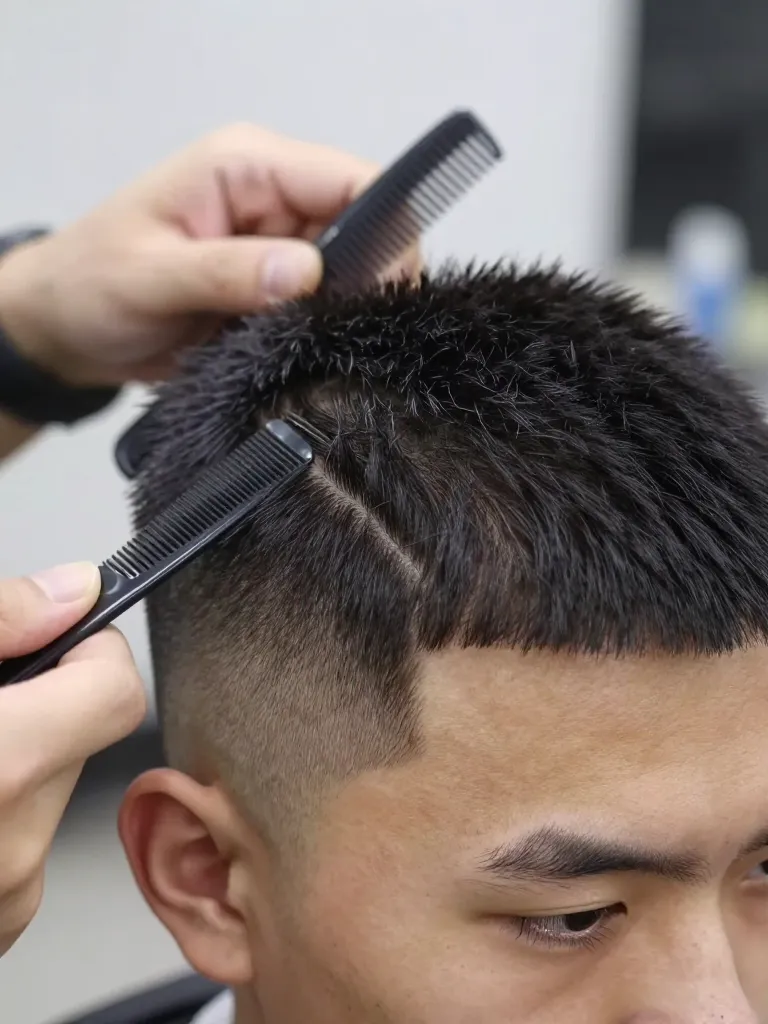
Step 1: Section the Top and Establish the Part Line
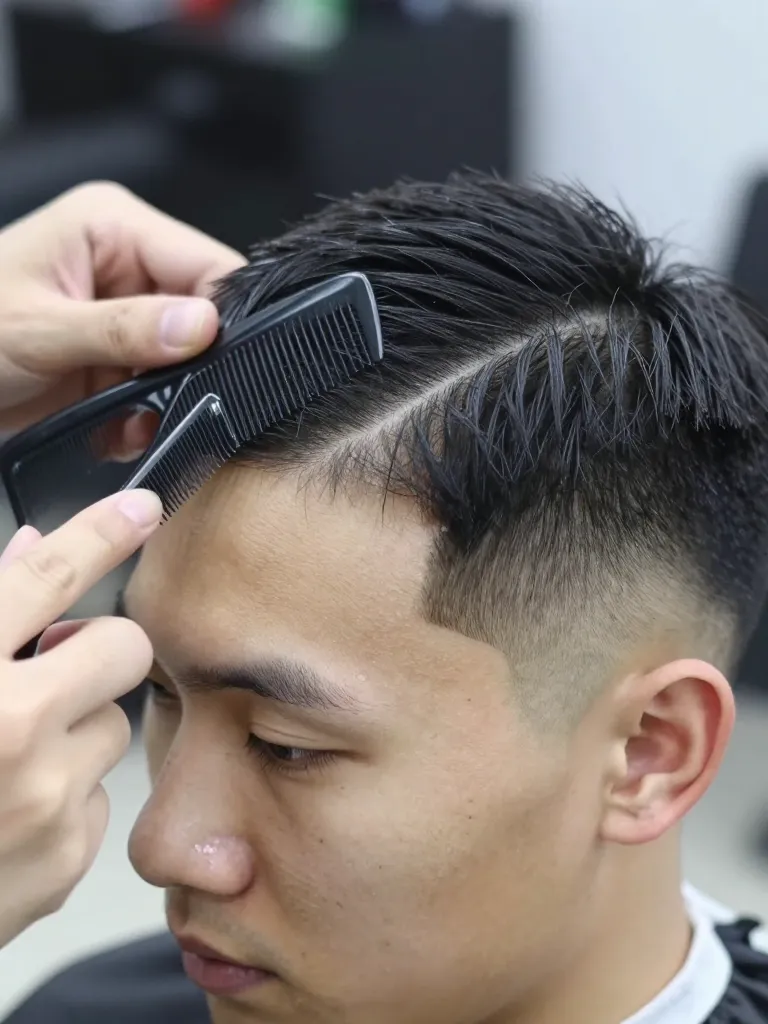
The Ivy League starts with the part — it’s the defining feature. Using a comb, create a clean side part on your natural growth side (most guys part on the left). The part should run from the temple to the crown, following the natural curvature of your head. The hair above the part is your ‘top section’ — this is where the 1.5-2 inches of length lives. Everything below the part is your ‘side section’ — this is what gets tapered. Use sectioning clips to hold the top section out of the way. The key is getting the part line straight and clean — any wobble here will be visible in the finished cut because the Ivy League has so little length to hide mistakes.
Timing: 3-5 minutes | Prerequisites: Comb, Sectioning clips, Hand mirror
Step 2: Taper the Sides with Progressive Guards
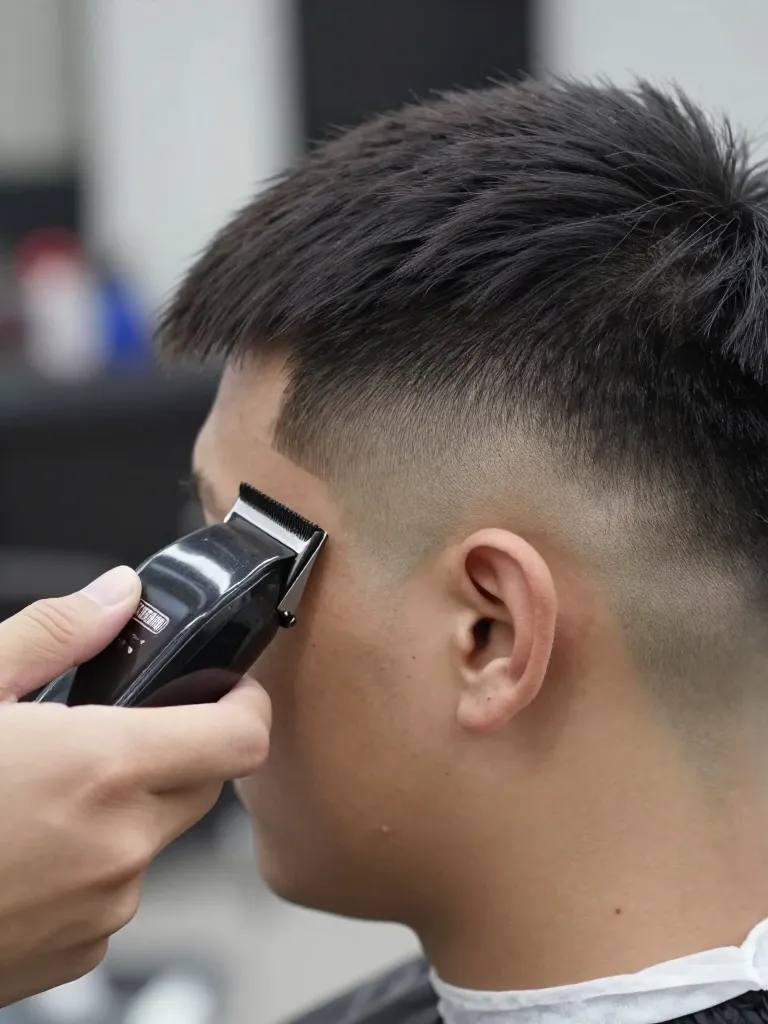
The sides of an Ivy League are tapered — not faded. The difference matters: a fade goes to skin, a taper shortens gradually but doesn’t expose the scalp. Starting at the bottom of the side section, use clippers with a #1 guard at the very bottom (near the ears and neckline), then switch to #1.5 for the next inch, then #2 as you approach the part line. The taper should be gradual and even — no visible lines, no hard transitions. The ‘flick’ technique is critical here: instead of running the clippers straight up, curve them away from the head at the top of each stroke. This creates a soft, diffused edge rather than a hard weight line. The Ivy League taper should be subtle — the goal is clean, not aggressive.
Timing: 10-15 minutes | Prerequisites: Clippers with guards (#1, #1.5, #2), Barber comb, Hand mirror
Step 3: Shape the Top with Point Cutting
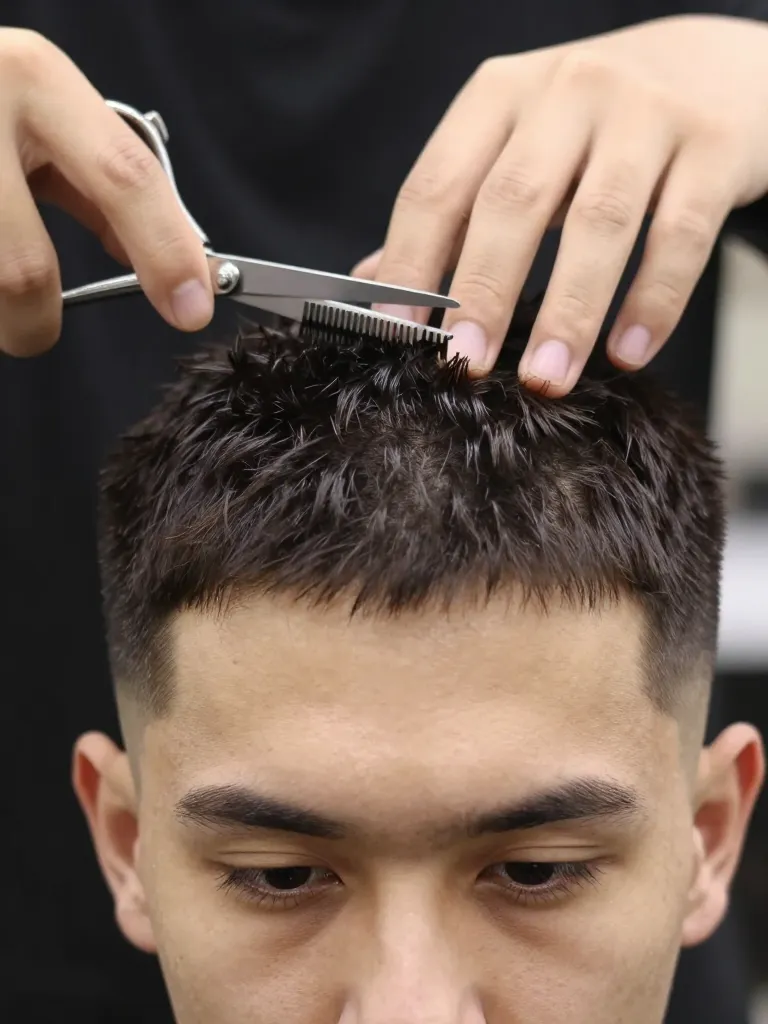
The top of an Ivy League needs shape — and that means point cutting. Release the top section and determine your target length: 1.5 inches at the front, graduating to 2 inches at the crown. Using shears, point-cut into the ends at steep angles (45-60 degrees). This creates subtle texture that separates a styled Ivy League from a flat, helmet-like top. The fringe should be slightly longer than the rest of the top — this is what gives you the option to part it to the side or style it forward. Work from the fringe back to the crown, gradually increasing length. The transition from top to taper should be seamless — no visible steps, no hard lines.
Timing: 8-10 minutes | Prerequisites: Sharp shears, Comb, Sectioning clips
Step 4: Clean Up the Neckline and Ears
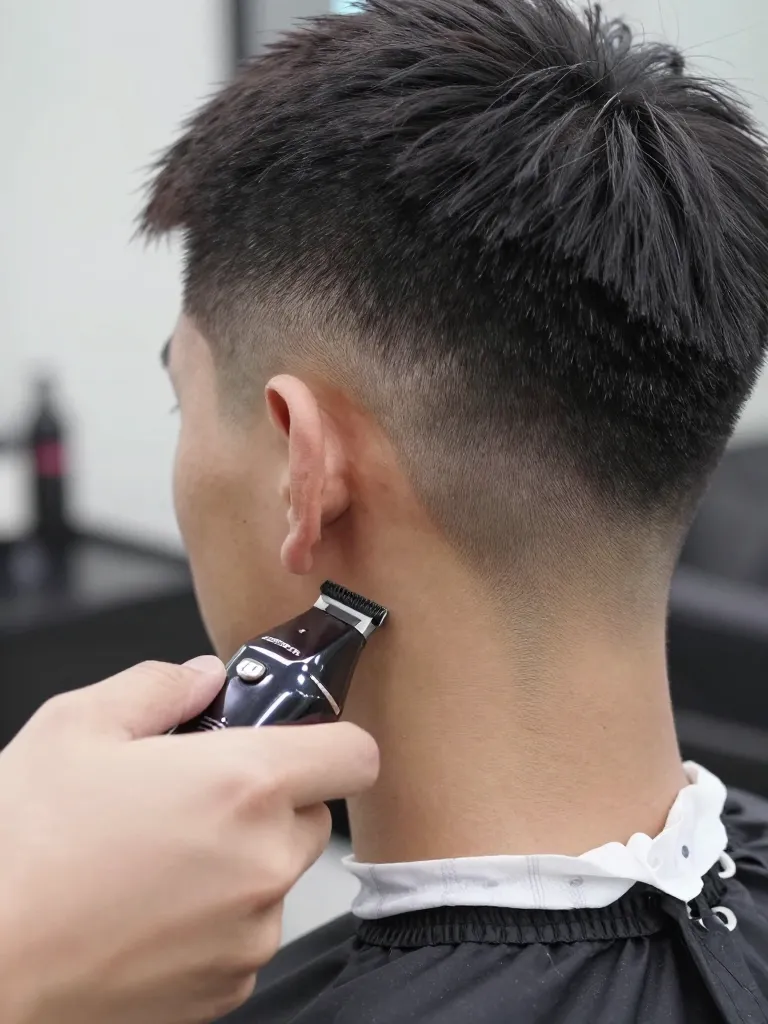
The Ivy League requires a clean neckline — but not an aggressive one. Using a trimmer (not clippers), clean up the hairline at the nape, around the ears, and at the sideburns. The neckline should follow your natural growth pattern — don’t force a shape that isn’t there. The sideburns should be trimmed to mid-ear length — too long looks sloppy, too short looks military. Around the ears, use the trimmer to create a clean, curved edge that follows the ear’s natural shape. The key is subtlety: the Ivy League is about looking groomed, not looking like you just left boot camp.
Timing: 5-8 minutes | Prerequisites: Trimmer, Hand mirror, Detail mirror
Step 5: Style the Part and Finish

The Ivy League is finished with a side part — and the styling is minimal. Apply a small amount of light-hold pomade (or matte clay for a more natural look) to damp hair. Using a comb, create the part line and comb the top to the side. The fringe should sweep cleanly to the side — not flat, not stiff, just naturally directed. The sides don’t need product — the taper does the work. For a more casual look, skip the comb and use your fingers to tousle the top while it dries. The Ivy League is designed to look good with minimal effort — if you’re spending more than 5 minutes styling it, you’re overthinking it.
Timing: 3-5 minutes | Prerequisites: Light-hold pomade or matte clay, Comb, Blow dryer (optional)
Pro Tips
- Find your natural part: Push your hair forward and see which side it falls to — that’s your natural part. Don’t fight it.
- Don’t go too short on top: 1.5 inches is the minimum for a functional side part. Anything shorter and the hair won’t stay in place.
- Use the right product: Light-hold pomade for a classic look, matte clay for a modern finish. Avoid heavy pomades — they make the Ivy League look greasy and dated.
The Ivy League is the haircut that proves short hair doesn’t have to be boring. It’s structured without being stiff, clean without being aggressive, and versatile enough for any environment. Get the taper right, keep the top at 1.5-2 inches, and let the side part do the work.
Ready to go preppy? Get the Ivy League. Then never worry about your hair again — it does the work for you.