Beard Styles Short: How to Get the Perfect Low-Maintenance Facial Hair
Five-minute morning routine. Zero barber visits. Maximum jaw definition.
You want a beard but you don’t want a hobby. Short beard styles are the answer — they define your jaw, require almost zero maintenance, and can be maintained with a single trimmer and five minutes a week. Here’s how to get one that actually looks like a style instead of a default.
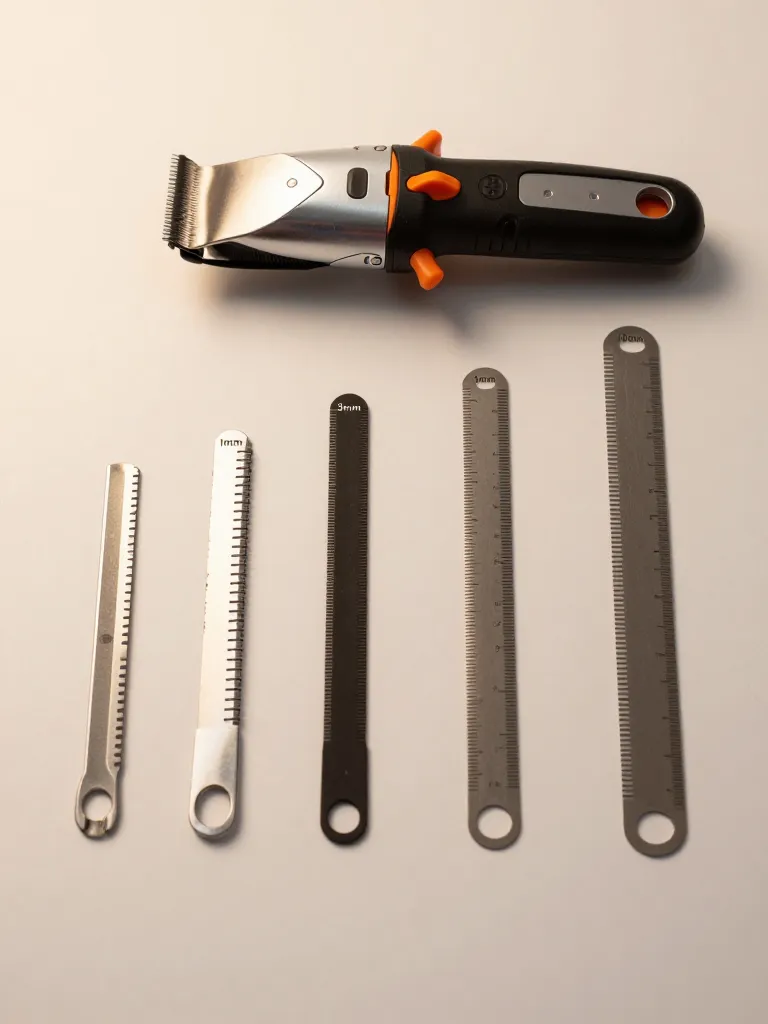
Step 1: Choose Your Length
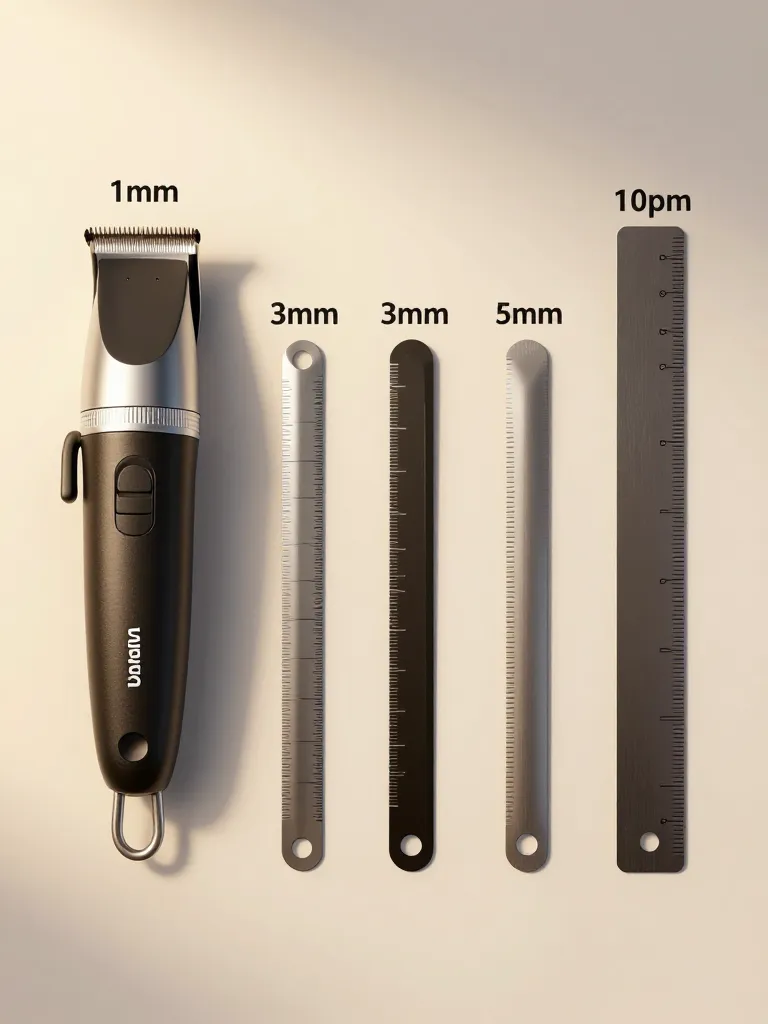
Short beard styles range from 1mm (heavy stubble) to 15mm (short full beard). The most versatile length is 3-5mm — long enough to look intentional, short enough to not need shaping. Choose your length based on your growth pattern: if your beard grows evenly, go 5mm. If it’s patchy, stay at 3mm where the patches are less visible. If you want maximum jaw definition, 1-2mm stubble with defined edges is the most impactful length. The guard number on your trimmer corresponds to millimeters — a #3 guard = 3mm, a #5 guard = 5mm. Start longer and work down until you find the length that looks best on your face.
Timing: 2 minutes
Prerequisites: Trimmer with adjustable guards
Step 2: Define the Neckline
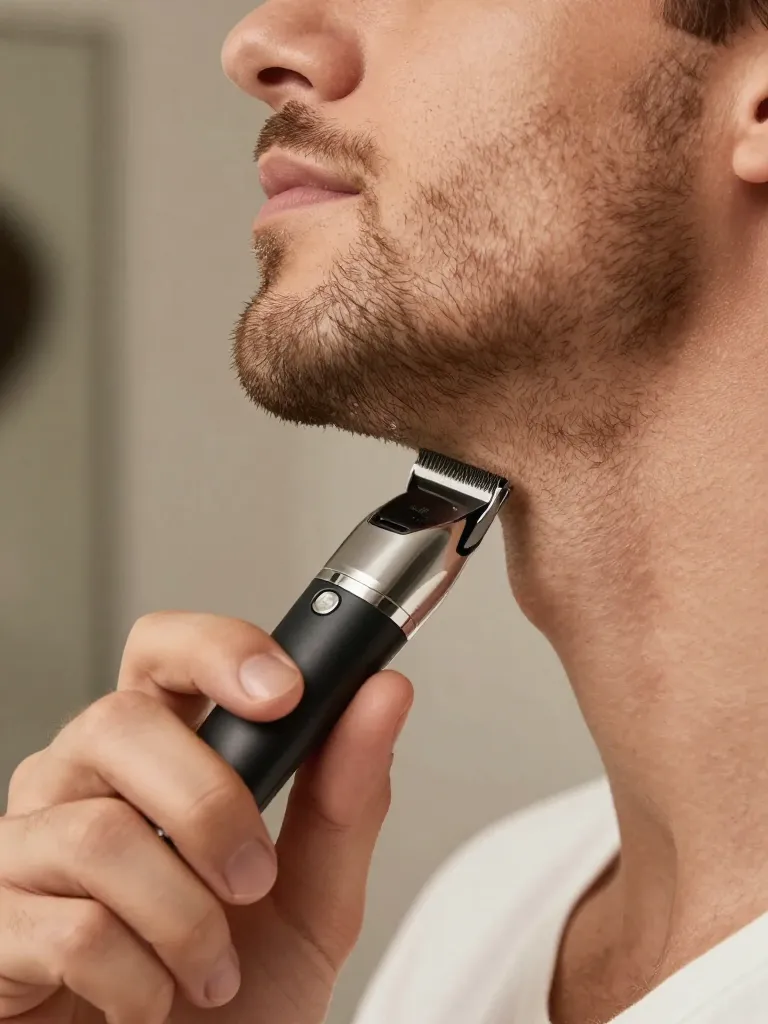
The neckline is the single most important part of a short beard. A bad neckline makes a beard look neckbeard-ish. A good neckline makes it look sculpted. The rule: place two fingers above your Adam’s apple — that’s where your neckline should start. Trim everything below that line to skin or near-skin. The line should curve from one ear to the other, following the natural jawline but staying above the Adam’s apple. Use a trimmer without a guard (or a #1 guard) to create a clean fade from the beard into the neck. This single step transforms a ‘has a beard’ look into a ‘has a beard style’ look.
Timing: 3 minutes
Prerequisites: Trimmer without guard or #1 guard
Step 3: Shape the Cheek Line
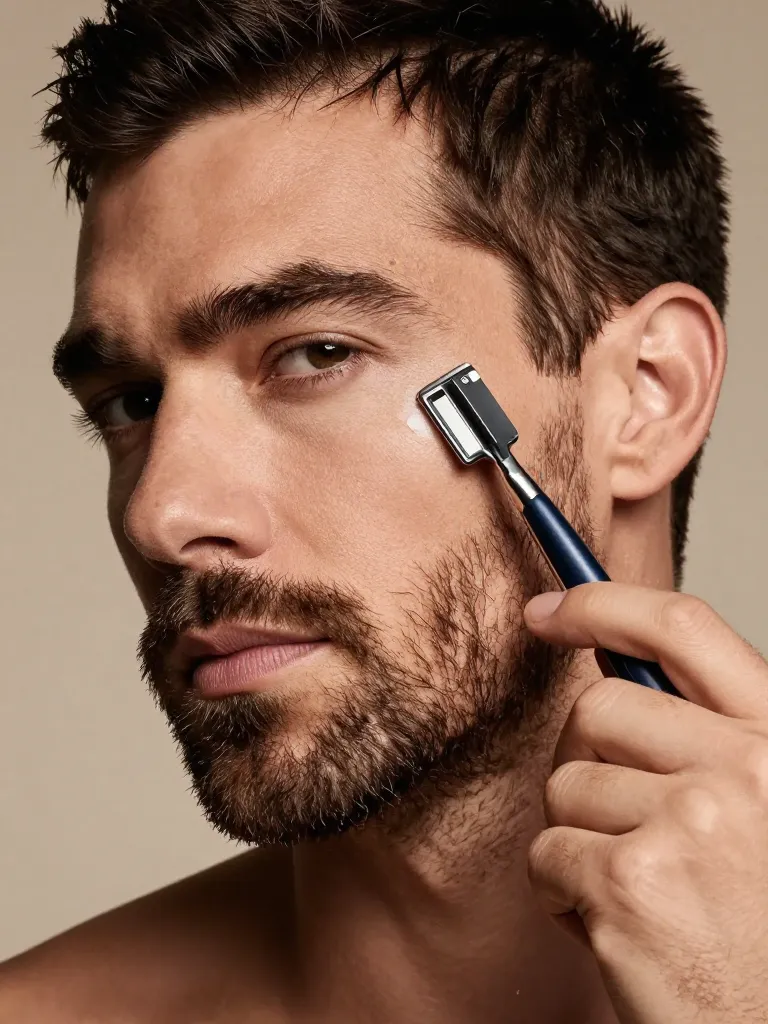
The cheek line is the second most important line on a short beard. It runs from the sideburn to the corner of the mouth. For a natural look, leave the cheek line as-is — just clean up any stray hairs above it. For a more defined look, use a straight razor or trimmer to create a straight or slightly curved line from the sideburn to the mustache. The lower the cheek line, the more ‘styled’ the beard looks — but going too low makes the beard look painted on. A good rule: the cheek line should be at or above the midpoint between your ear and mouth. Use short, careful strokes — one wrong move and you’ve created a gap that takes weeks to fill.
Timing: 3 minutes
Prerequisites: Straight razor or precision trimmer
Step 4: Blend the Sideburns
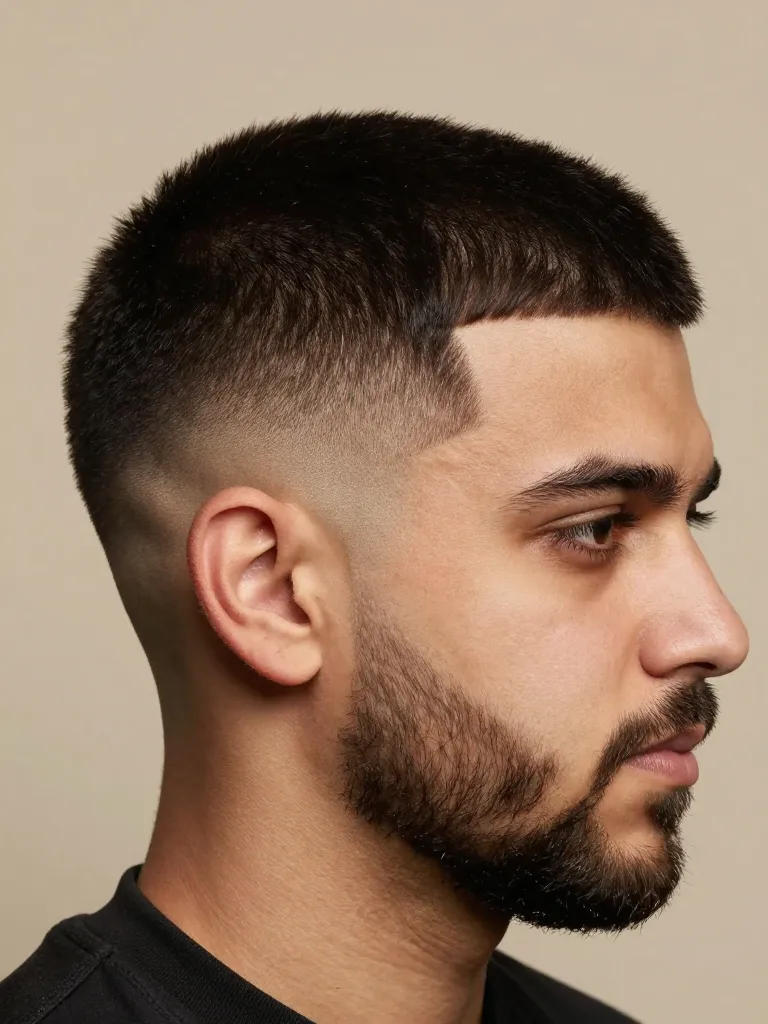
The sideburn-to-beard transition is where most short beards fail. If your sideburns are thick and your beard is thin, the transition looks jarring. If they blend cleanly, the whole thing looks intentional. Use a trimmer with a #2 or #3 guard to blend the sideburn area — start at the top of the sideburn and work down, gradually increasing the guard length as you move into the beard. The goal is a seamless gradient from your haircut into your beard with no visible line. If you have a fade haircut, the sideburn-to-beard transition should match the fade’s gradient.
Timing: 2 minutes
Prerequisites: Trimmer with #2 and #3 guards
Step 5: Maintain the Mustache
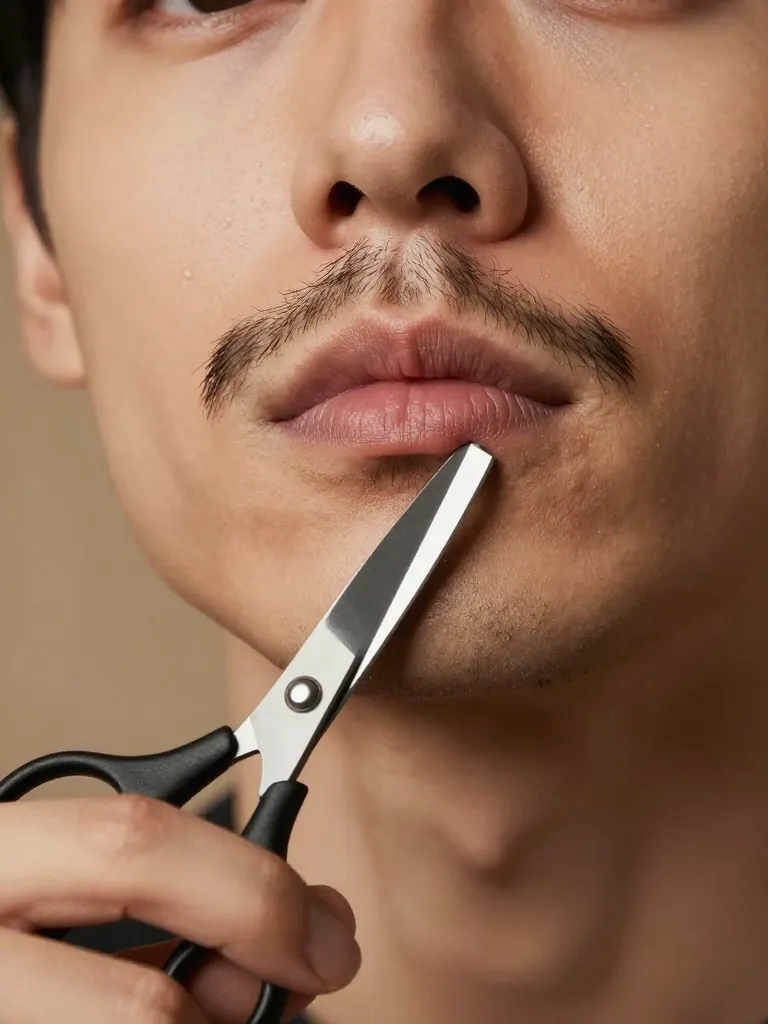
The mustache is the centerpiece of a short beard — it’s the first thing people see. Keep it trimmed to the same length as the beard (or slightly shorter) and define the line above the lip. Use small scissors to trim any hairs that hang over the lip — the mustache should end at the lip line, not below it. For a more natural look, leave it slightly longer and use beard balm to keep it directional. The key is consistency: a mustache that’s a different length than the beard looks like two separate decisions instead of one cohesive style.
Timing: 2 minutes
Prerequisites: Small scissors or precision trimmer
Safety Warnings
- Never shave against the grain on sensitive neck skin — it causes ingrown hairs and razor burn.
Why This Works
Short beard styles work because they add definition without adding maintenance. A 3-5mm beard with clean edges creates the illusion of a stronger jawline, balances facial proportions, and hides skin imperfections — all with a five-minute weekly maintenance routine. The key is the edges: defined neckline and cheek line transform ‘lazy’ into ‘styled.’
Pro Tips
A short beard is the lowest-maintenance, highest-impact facial hair style available. Five minutes a week, a $30 trimmer, and an understanding of three lines (neckline, cheek line, sideburn blend) is all it takes. Stop letting your beard be a default. Make it a decision.
Three lines. Five minutes. One jawline. ✂️