Loc Ponytail Styles: How to Build the Perfect Pony with Locked Hair
The ponytail is the loc wearer’s most versatile tool. Use it wrong and you’ll damage your hairline. Use it right and you’ll have a 30-second style that works everywhere.
The loc ponytail is the default style for a reason — it’s fast, functional, and works on virtually every loc length from chin-down. But most loc wearers approach the ponytail as an afterthought: grab, tie, go. This creates two problems. First, tension damage — pulling all your locs into one anchor point stresses the hairline, especially with thick, heavy locs. Second, visual monotony — the same low ponytail every day reads as ‘I didn’t try.’ The fix isn’t avoiding ponytails. It’s understanding that the loc ponytail is a system with variations, tension management, and structural engineering.
Step 1: Choose Your Anchor Point
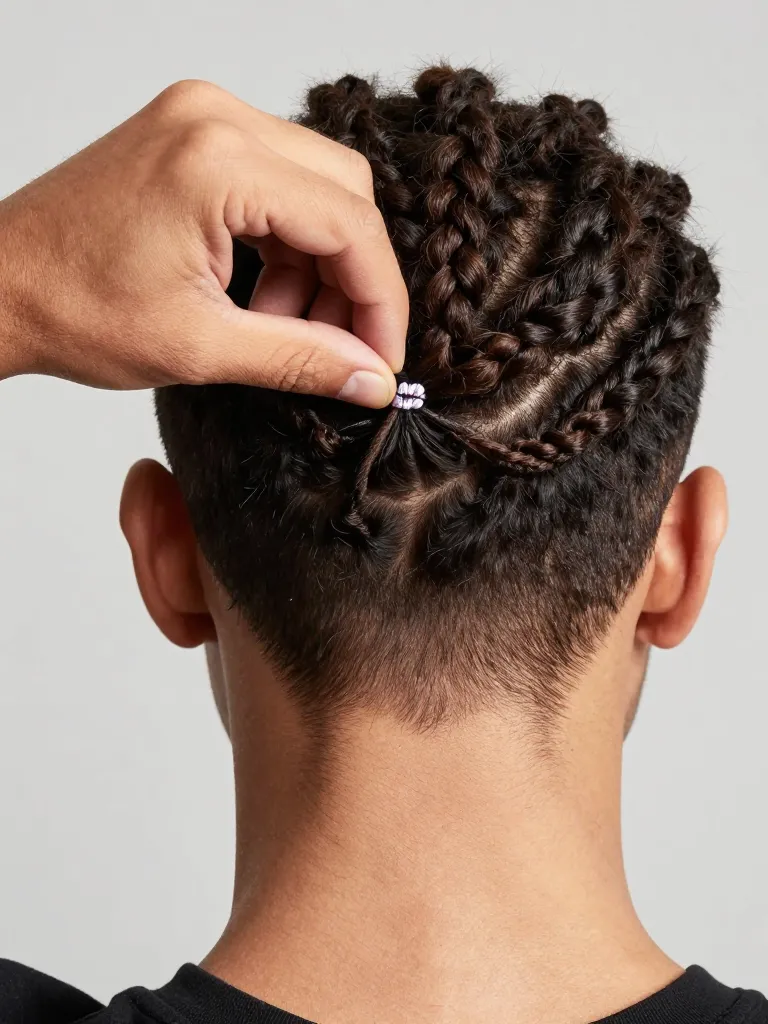
The anchor point is where the ponytail sits — and it determines everything about the style’s look, comfort, and safety. There are three anchor points: high (crown, above the occipital bone), mid (at the occipital bone, the bump at the back of your skull), and low (nape, below the occipital bone). High ponytails create drama and height but exert the most tension on the hairline. Low ponytails are the gentlest on the hairline but can look flat and unintentional. Mid ponytails are the sweet spot — enough height to look deliberate, low enough to avoid hairline stress. For daily wear, mid is the default. Reserve high ponytails for special occasions and short durations.
Step 2: The Gather Technique
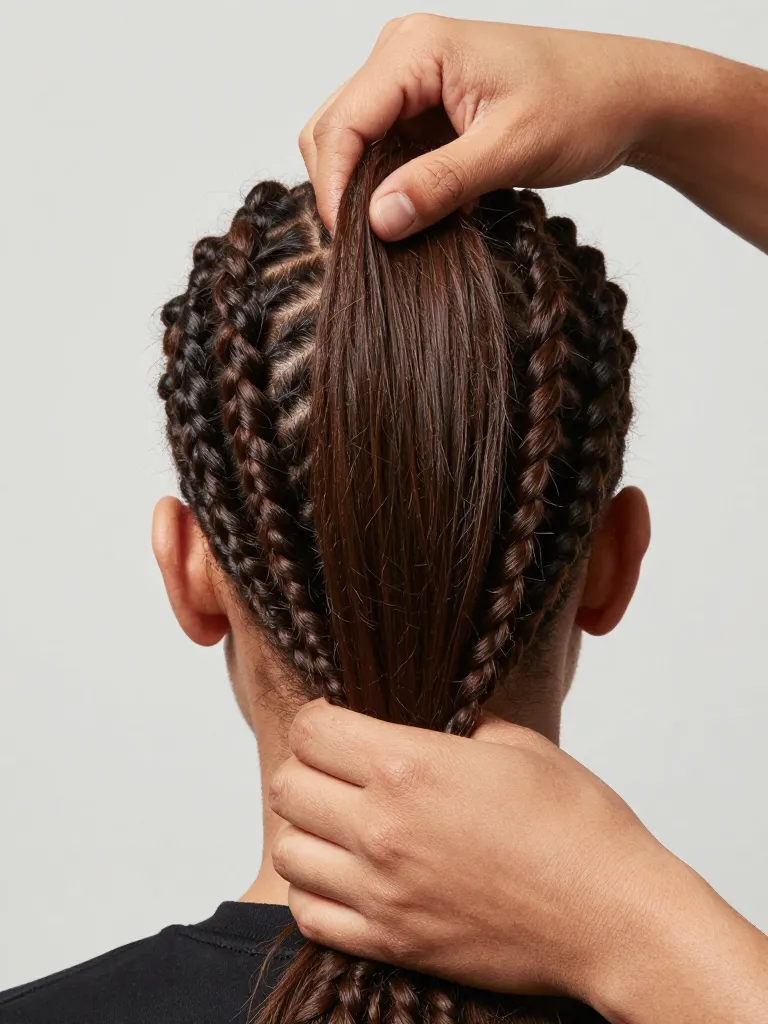
How you gather your locs determines whether the ponytail looks intentional or accidental. The technique: lean your head slightly forward (this lets gravity help). Using both hands, smooth the locs from the hairline toward the anchor point — front-to-back on top, side-to-back on the sides, bottom-up at the nape. Don’t pull — just direct. The goal is a smooth surface from hairline to anchor without tension. Once all locs are gathered at the anchor, secure with a satin-covered tie. Wrap the tie 2-3 times — tight enough to hold, loose enough that you can fit two fingers between the tie and your locs. If you can’t fit two fingers, it’s too tight.
Step 3: The Low Drop Ponytail
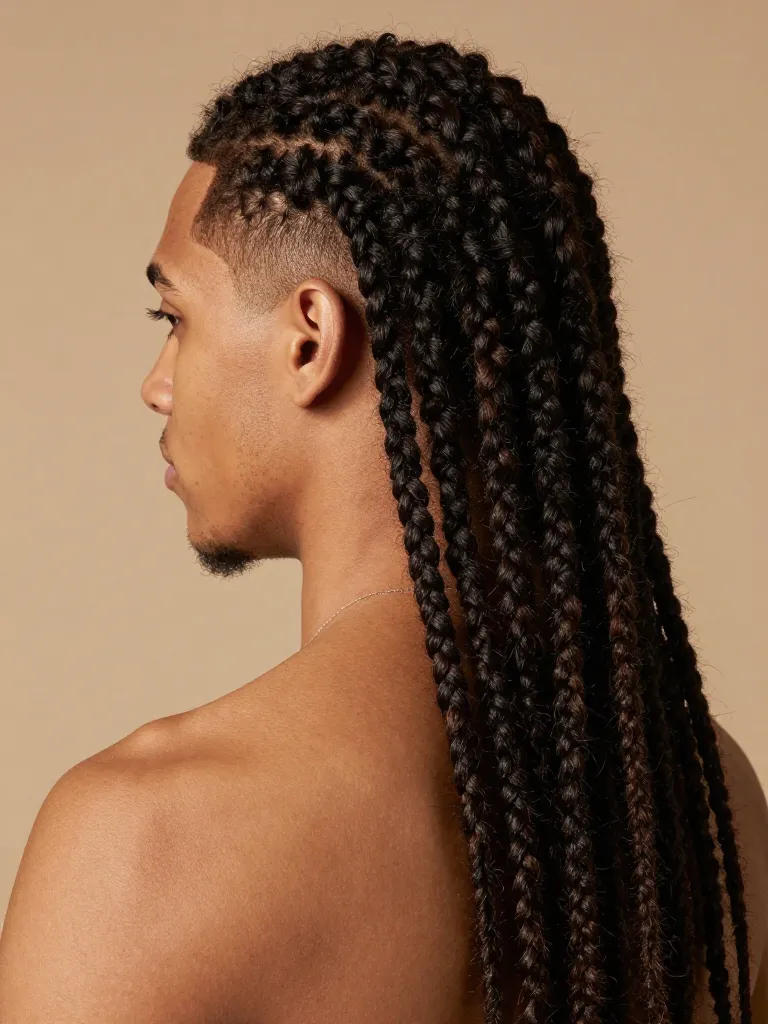
The low drop is the everyday loc ponytail — anchor at the nape, locs falling straight down the back. It’s the gentlest on the hairline, the fastest to execute, and the most versatile for different face shapes. The key to making the low drop look intentional (not lazy) is smoothing the top section. Use a small amount of edge control gel on the baby hairs around your hairline, and smooth the top locs backward with your palms before securing. The ponytail itself should be loose enough that the locs have individual movement — a tight, rigid ponytail reads as ‘pulled back for work,’ while a loose, flowing one reads as ‘styled.’
Step 4: The High Crown Ponytail
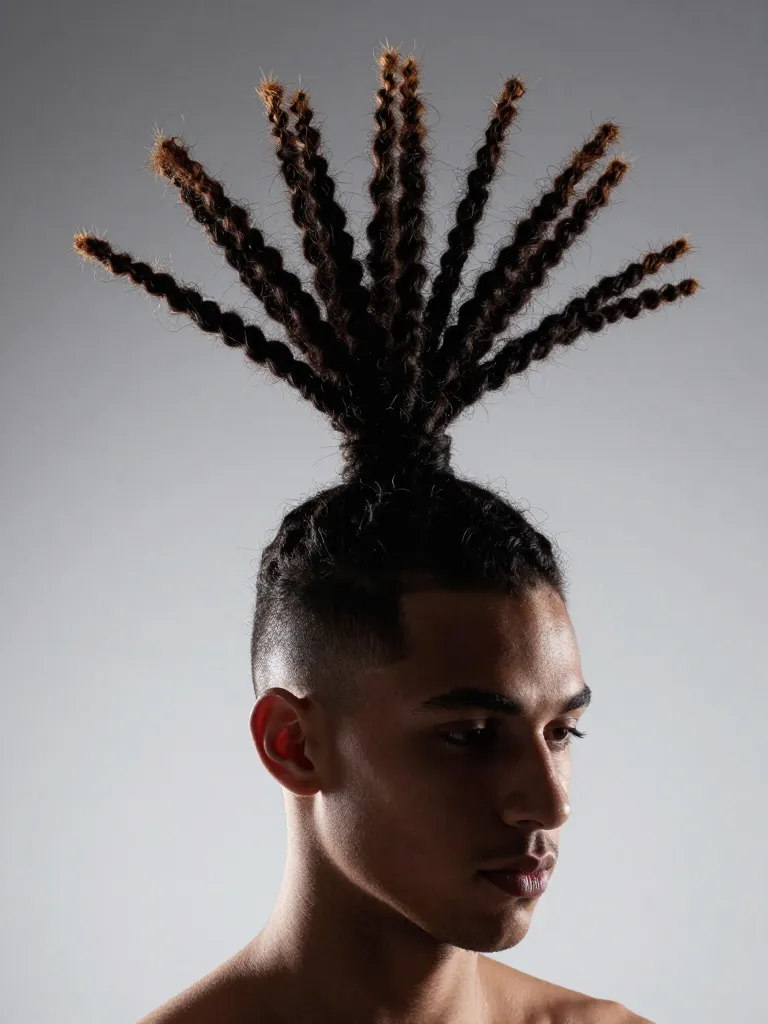
The high crown ponytail is the statement variation — anchor above the occipital bone, locs directed upward and slightly backward. The visual impact is maximum: height, drama, and an architectural silhouette that commands attention. But high ponytails come with a cost — the tension on the hairline is significant, especially with thick, heavy locs. Reserve this style for events, photos, or short-duration wear (under 4 hours). To execute: gather all locs at the crown, pulling slightly upward as you secure. The locs should fan out from the anchor point, creating a fountain or palm-tree effect. If the ponytail droops, your locs may be too heavy for this height — drop to mid-ponytail.
Step 5: The Wrapped Base
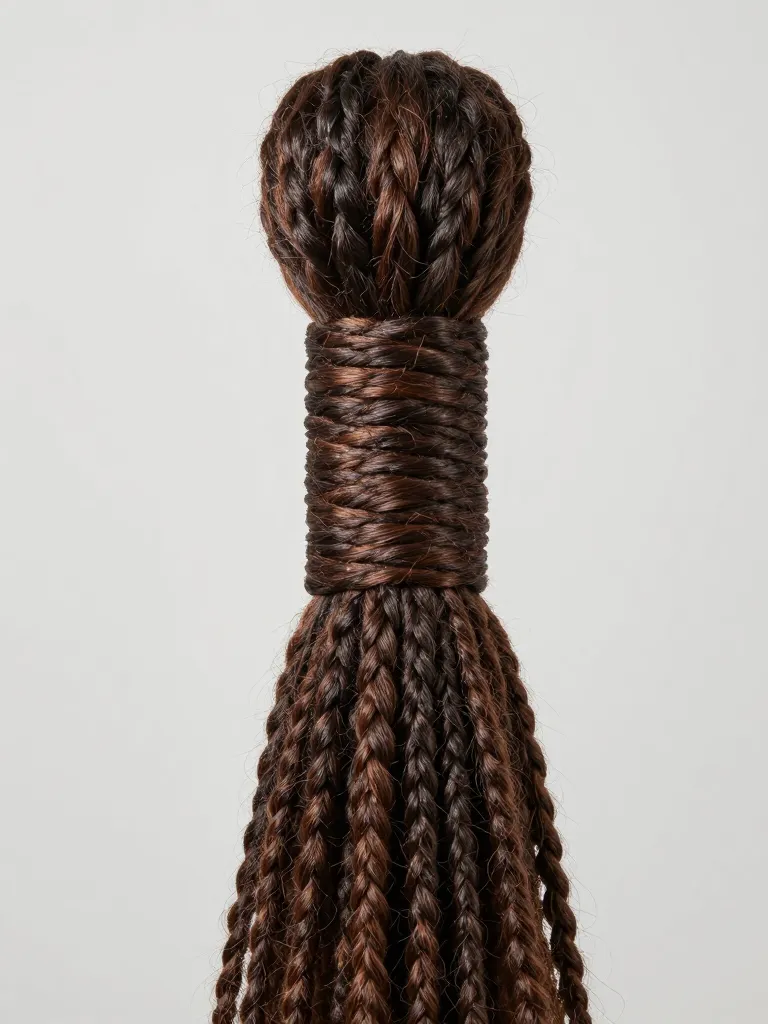
The wrapped base is the finishing detail that separates a styled loc ponytail from a thrown-together one. After securing your ponytail with a hair tie, take one loc from the ponytail (choose one from the underside so it’s not visible when removed) and wrap it tightly around the base of the ponytail, covering the hair tie completely. Secure the end by tucking it under the wrap or using a small bobby pin. The result is a clean, polished base that hides the hardware and adds a deliberate design element. This works on low, mid, and high ponytails alike. For extra detail, use two locs and wrap in a criss-cross pattern.
Why This Works
The loc ponytail works because of tensile distribution. When locs are gathered at a single anchor point, the gravitational force of the loc mass creates tension along the hair shaft from the tip to the root. The tension is highest at the anchor point and decreases toward the tip. This is why high ponytails create more hairline tension than low ones — the anchor is further from the center of mass, creating a longer lever arm. The two-finger rule works because it ensures the hair tie is compressing the locs minimally — excessive compression creates a weak point where the tie sits, which over time can cause breakage. The wrapped base isn’t just aesthetic — it distributes the tie’s compression over a wider area, reducing the stress concentration at any single point.
The loc ponytail isn’t a default — it’s a system. The anchor point, the gather technique, the tension management, and the finishing details all work together to create a style that’s both functional and architectural. Master the system and you’ll have a 30-second style that works at the gym, in the office, and at a formal event. The ponytail is the loc wearer’s Swiss Army knife — versatile, reliable, and always appropriate.
Gather. Secure. Drop or rise. The ponytail does the rest. ✂️